In today’s edition, we are looking at the NATO Summit in Vilnius and the Alliance’s decisions that have already made history. Enjoy!
NATO Summit: History in the Making
The Vilnius Summit is currently underway, marking a significant moment in history. Ukrainian President Volodymyr Zelensky has arrived in the Lithuanian capital, expressing gratitude for the Baltic country’s support.
However, he also harbours a sense of being left on the doorstep by the Atlantic Alliance once again. Contrary to this perception, there have been notable changes within the Alliance.
It has expanded to include Finland and Sweden, becoming more comprehensive. The discussion on increased military spending has made it more prosperous.
A new defence force for the eastern flank has been established, enhancing security measures.
And that is not it. It also gave the political commitment to Ukraine that it will stand on its side.
While NATO did not specify a specific time frame, it wanted to welcome Kyiv among its member countries without imposing time limits.
The final declaration, suggested by the United States and Germany, emphasizes the need for reforms as a prerequisite for membership, ensuring unanimous agreement among all member states. Although NATO Secretary General Jens Stoltenberg had initially announced that the communiqué on Ukraine would be released later in the day, President Zelensky realized that Ukraine’s fate had already been decided without its presence.
Despite his previous intention to only attend if a breakthrough was expected, he decided to proceed to Vilnius, where a packed square greeted him. The enthusiastic crowd listened to him, sang the Ukrainian anthem, chanted “NATO, NATO,” and applauded fervently as he expressed that the Ukrainian flag symbolized an end to deportations from Baltic countries to Siberia, the partitioning of Poland, the humiliation of Hungary, tanks in Prague, and winter wars against Finnish freedom.
While the East has influenced the transformation of NATO, it has not fully embraced the history of Lithuania, Poland, Latvia, Estonia, and the current situation in Ukraine, failing to align with their security perspective fully.
President Zelensky continued to express his belief in finding a solution, placing trust in a strong and decisive NATO that fears no aggressor and does not waste time.
The tenth point of the final NATO statement reaffirms the commitment made at the 2008 Bucharest Summit that Ukraine will eventually become a member of NATO.
Moreover, it recognizes that Ukraine’s progress towards full Euro-Atlantic integration has surpassed the requirements outlined in the Membership Action Plan. Although abandoning the Membership Action Plan would expedite Ukraine’s future entry, it does not offer a fast-track process like Finland and Sweden.
The exceptional circumstances in Kyiv do not align with the extraordinary treatment for future NATO membership.
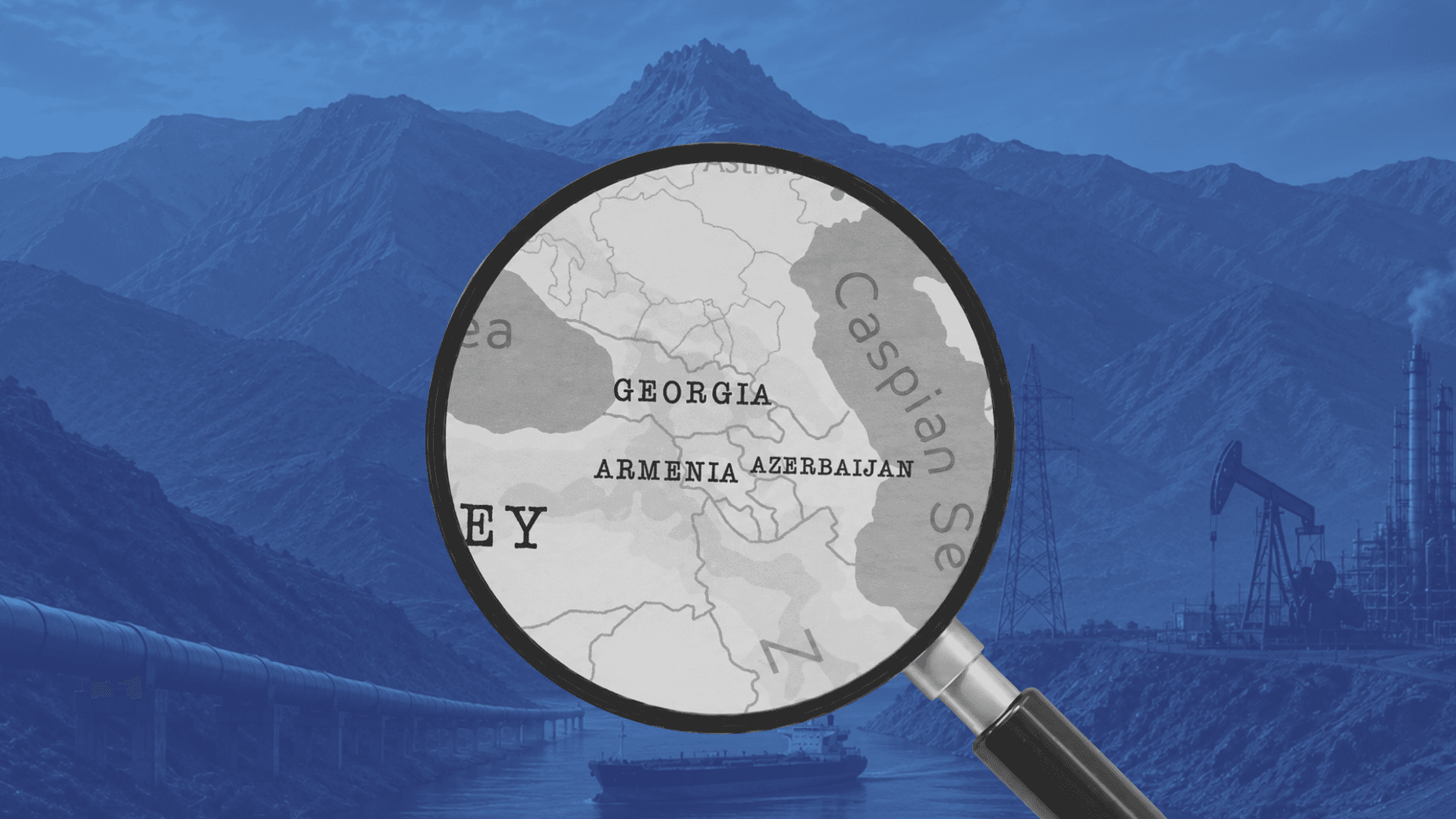
Ukraine had concerns that this summit would resemble the 2008 Bucharest Summit, during which Russia invaded Georgia. While similarities exist, they are limited, and most notably, as Secretary General Jens Stoltenberg outlined, NATO’s strategy centres around the belief that Ukraine must achieve success before discussing its membership.
Therefore, the Alliance is committed to providing Kyiv with all the necessary support to reclaim occupied territories and repel Russian aggression. However, the significance of this summit extends beyond Ukraine, holding significant geopolitical implications.
For the first time since the end of the Cold War and the collapse of the USSR, NATO has devised a comprehensive plan to ensure collective military defence against central powers like Russia and terrorist threats.
General Christopher Cavoli, NATO’s supreme commander and head of U.S. forces stationed in Europe, along with his staff, have developed detailed plans encompassing three primary regions: the northern territory, including the Arctic; the central regions, which include the eastern flank bordering Russia; and the southeast, covering the Mediterranean and the Black Sea.
These plans meticulously outline the responsibilities of each member country in the event of an attack, specifying the areas to be defended, collaboration with allies, and the weapons and equipment to be employed. Admiral Rob Bauer, the head of NATO’s Military Committee, elucidates that the regional plans account for the unique geographical characteristics of each area and provide a comprehensive strategy encompassing space, land, sea, air, and cyber domains.
Once implemented, NATO can mobilize over 100,000 soldiers within ten days and up to 300,000 within a month.
Lastly, this summit represents a fulfilment of Putin’s worst fears.
While he was invited as a special guest to the 2008 NATO summit in Bucharest, this year’s guest was President Zelensky.
Unlike in 2008, NATO is resolute in its commitment to facilitate Ukraine’s accession to the Alliance and provide unwavering support to win the ongoing conflict. Putin’s supposed geopolitical brilliance has been proven false, revealing his lack of clarity as a statesman.
His pursuit of pathological nationalism and imperialism has substantially damaged Russia.
By severing economic ties with the West and undermining the established relations with Europe, Putin has squandered the energy cooperation built by his Soviet predecessors.
This has led to an increased reliance on China, resembling a form of colonization.
Additionally, Russia is losing influence to China in Central Asia, the Middle East, and Africa. Furthermore, by unintentionally garrisoning the long land and sea borders with first-rate armies such as Sweden and Finland, Putin has inadvertently strengthened NATO’s position.
Thus, in an ironic sense, NATO owes a debt of gratitude to Russia for its inadvertent contributions.