From Tbilisi’s mass protests to Von Der Leyen’s American tour to Sunak’s war on illegal immigration – this is what the continent has been talking about this week.
Waving that flag
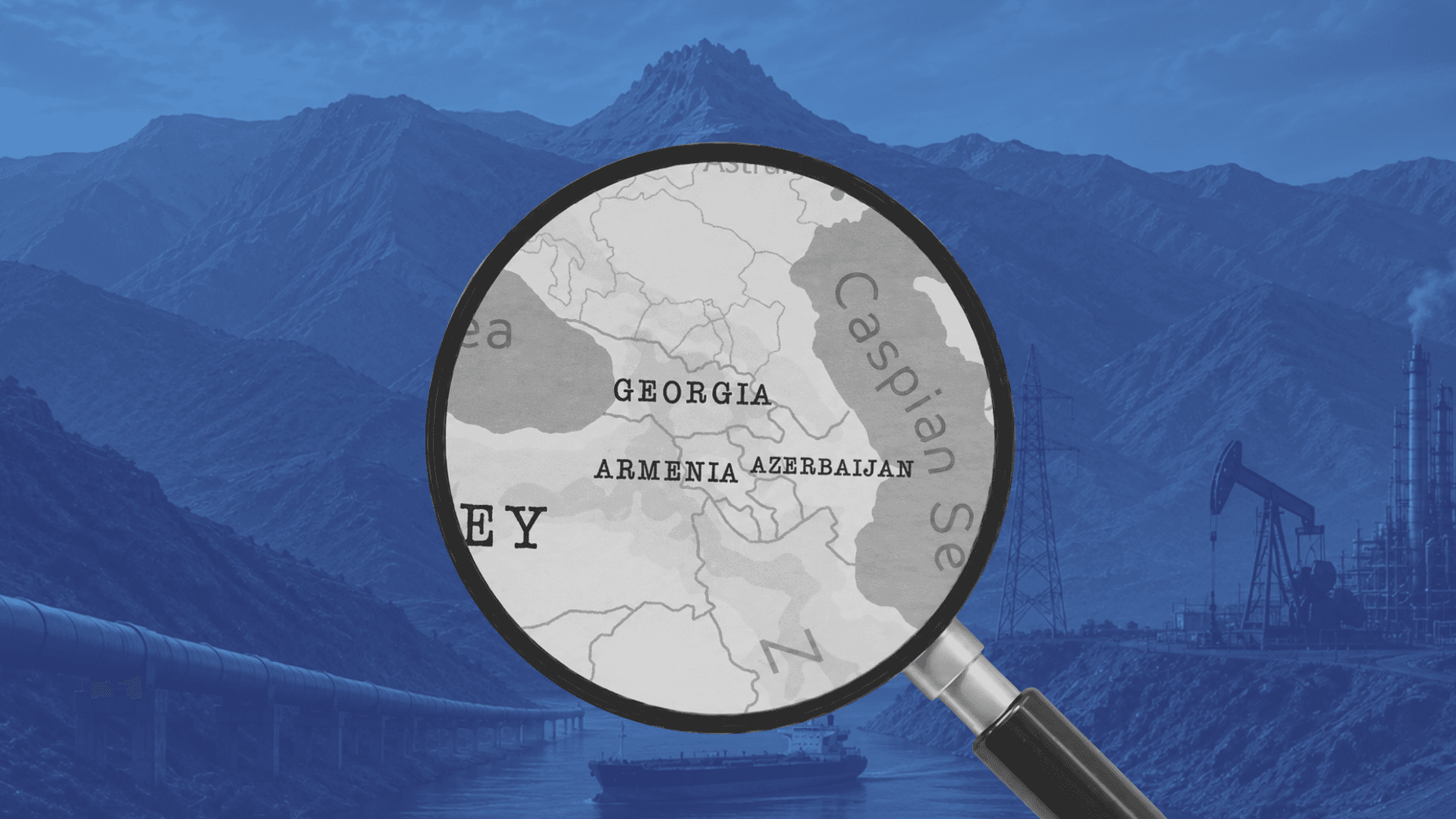
Extraordinary scenes out of Tbilisi on Tuesday night and into the early morning, as protesters took to the streets bearing EU flags and chanting “Down with the Russian law.” Thousands of Georgians faced off against riot police after the parliament passed the first reading of a Kremlin-inspired law requiring organisations that get more than 20 per cent of their funding from overseas to register as “foreign agents.” The ruling party, Georgian Dream, supports the Russian law.
Georgia’s President Salome Zourabichvili, who is in the U.S. for an official visit, said in a video address: “This law — which no one needed — does not come out of nowhere. It is something dictated by Moscow.” She added: “The Georgia that sees its future in Europe will not allow anyone to take away this future.” Zourabichvili promised to veto the law — but the parliament has the right to overrule her. In the meantime, HRVP Josep Borrell was the first EU top official to react, stating that “this is a very bad development” for the country and its citizens that could seriously affect Georgian ties with the EU. However, recognising Vlad’s invisible hand would have been too brave.

Show me the receipts
This week, EU Commission President, Ursula von der Leyen, embarked on an American tour to meet U.S. President Joe Biden and Canadian Prime Minister Justin Trudeau. Von der Leyen is discussing everything, from critical raw materials to Biden’s Inflation Reduction Act and the spectre of Chinese arms supplies to Russia. Von der Leyen headed to Canada first, where she met Trudeau on Tuesday. Almost six months after the visit was initially scheduled, Canada and the EU had lots to discuss — not least how Canada can help supply raw materials. But the most awaited moment will be with President Biden on Friday when von der Leyen will try to mend fences over Biden’s Inflation Reduction Act.
The focus will be “collaboration” on clean innovation, supply chains for green technology and “rallying the world behind a global net zero emissions goal.” Europe and the U.S. have been at odds over Washington’s landmark green subsidies plan for months, which Brussels fears will drain the Continent of investment and green technology. However, it is likely that no-more-sleeping Joe will push for the EU’s support to sanction China if Beijing starts supplying lethal weapons to Russia. But EU diplomats and officials said they wanted to see proof for the claims advanced by U.S. administration officials before they agreed to follow suit: an America-abiding EU would project the block into a trade war with China that Brussels cannot afford.
Small boats, big problems
Go and collect your winnings: this must have been the whisper in the ear of U.K. Prime Minister Rishi Sunak after last week’s internal success over Northern Ireland’s long-lasting conflict with the EU. In a desperate move to gain consensus as fastest as possible in the light of the disastrous polls before the 2024 general elections, Sunak is on course to tackle arguably the toughest of his five government priorities: stopping small boats of illegal migrants crossing the Channel every week.
On Tuesday, the PM held a press conference to make his case: the big plan places a legal obligation on the Home Secretary to deport arrivals fast. It would allow those who reach Britain via illegal routes to be detained without bail or judicial review for 28 days and (if over 18) be sent to their home country or a third country like Rwanda. The government said they would never be allowed to settle or return to the U.K. Asylum seekers who arrive through illegal routes will be unable to claim that they are victims of modern slavery. Most legal challenges will be considered only after deportation. Public opinion researchers reckon the public is going to love it. Will the operation Saving Private Rishi succeed?