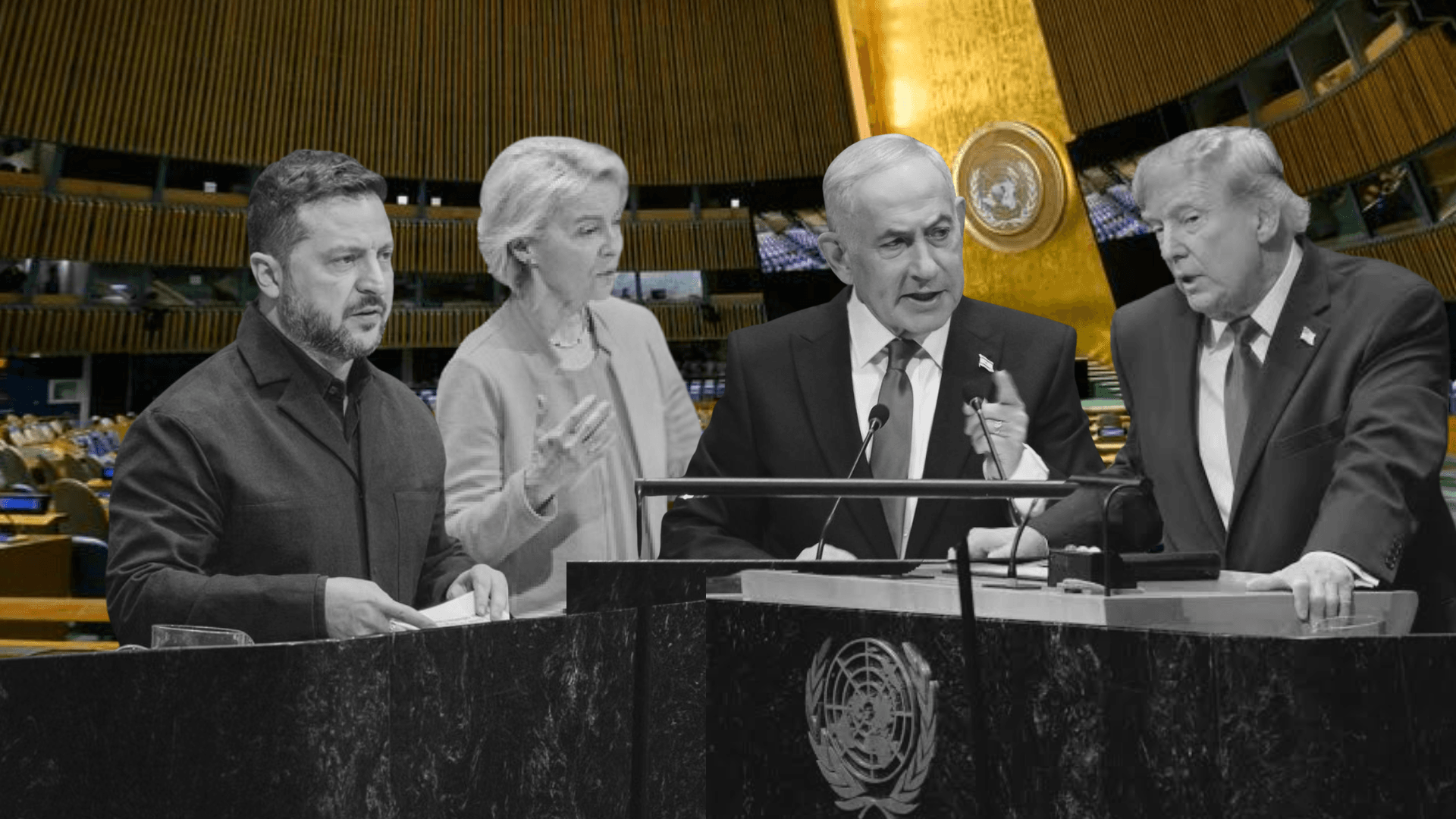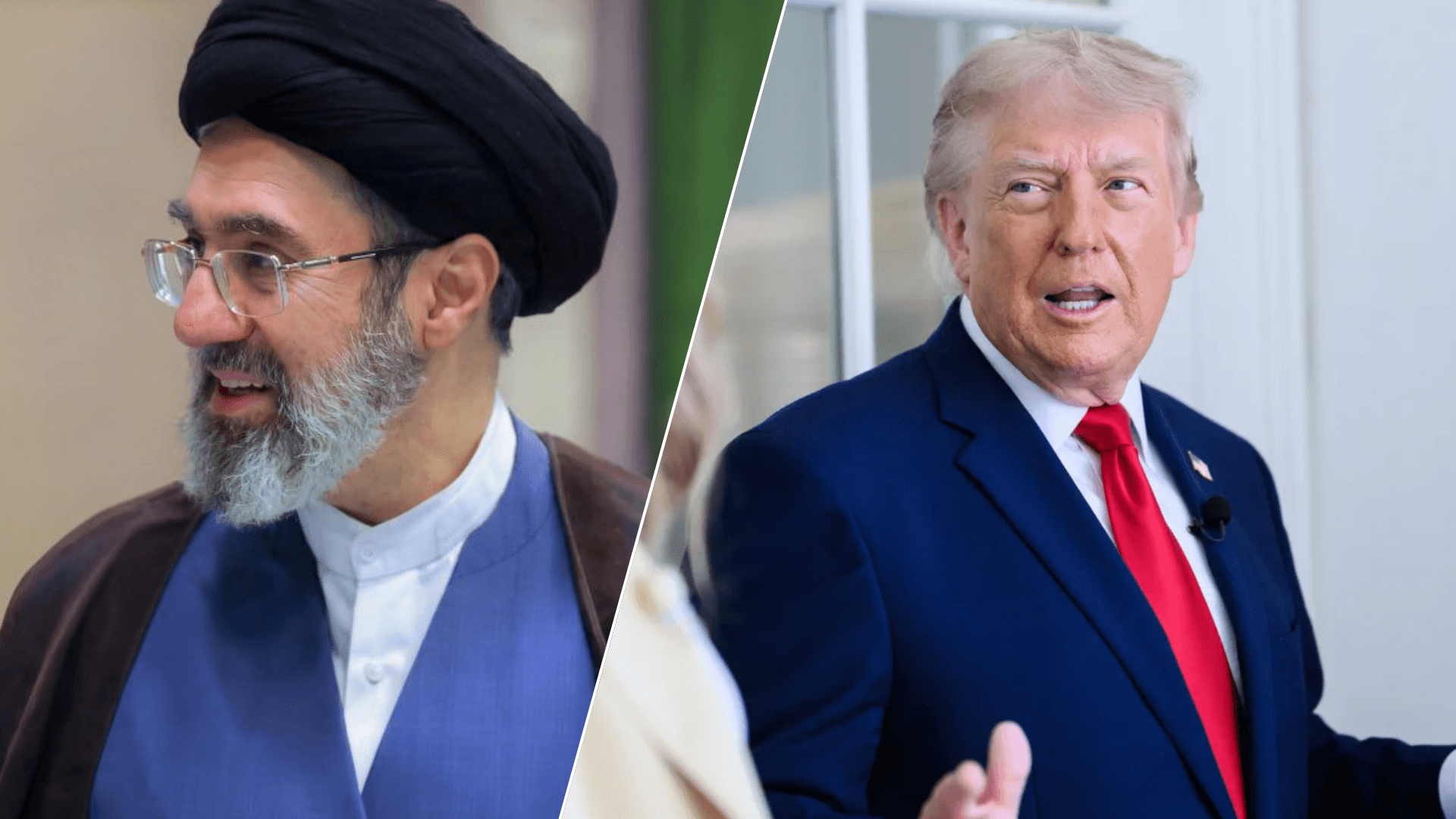
On 15 June, the Trump administration announced a preliminary US-Iran agreement brokered by Pakistan that has fundamentally shifted global market dynamics. Executed as a memorandum of understanding, the framework is scheduled for a formal signing ceremony in Switzerland this Friday.
The Memorandum of Understanding between the US and Iran, announced on 15 June, obliges Washington to lift its naval blockade and commits Tehran to permanently stop military operations and restore freedom of navigation through the Strait of Hormuz. While the agreement secures immediate maritime de-escalation and unlocks a proposed $300 billion internationally funded reconstruction vehicle, it leaves the core geopolitical friction point – the permanent and verifiable dismantling of Iran’s nuclear program – to a mandatory 60-day negotiation window led by Vice President JD Vance.
The announcement triggered immediate relief across international equity markets. Global crude prices experienced an immediate 5% drop, with the price moving towards a three-month low of $80 per barrel, making it a sharp correction from the $110 peaks sustained after the military conflict escalated in late February. However, the framework has sparked debates on the Israeli political spectrum. The government of Israel declared that they are not bound by the agreement that has been agreed without their consent, while the opposition leaders have labelled this deal as a failure of the Israeli policy, leaving the country to face the existing Iranian nuclear infrastructure alone.
Relief for the European Economy
This development has seen a highly positive reaction from European Union leadership, with Brussels welcoming the deal as a stabilisation mechanism for the continent’s economy. European businesses have been among the hardest hit by the conflict, enduring months of punishing energy costs and inflationary pressures that forced the European Central Bank to raise interest rates to 2.25%. The prospect of sustained $80 oil and the reopening of critical maritime corridors could provide an immediate relief to Europe’s heavy manufacturing and automotive sectors. European Commission President von der Leyen emphasised that the full implementation of the agreement is now the priority, noting that a toll-free restoration of freedom of navigation is important for global economic stability.
Beyond the economics, the deal is likely to reset Europe’s geopolitical position, though it highlights the bloc’s secondary role in the core diplomacy. For months, EU member states found themselves mostly sidelined while the conflict escalated as they were trying to balance between their strategic alignment with Washington and the need to secure energy from the Middle East. High Representative Kallas described the agreement as a breakthrough that grants the international community space for deeper negotiations.
Moving forward, the EU is positioning itself to lead the technical and diplomatic next steps, looking for an active seat at the table during the upcoming nuclear verification phase. While European leaders are willing to restrart regional trade, they must carefully manage the engagement with Tehran, balancing their own economic interests with the strict verification demands imposed by the US framework.
The Maritime Realities of Hormuz
The primary economic point of the agreement is the scheduled reopening of the Strait of Hormuz, through which roughly 20% of global oil and 19% of liquefied natural gas transits. After the US and Israel struck Iran earlier this year, Iran blocked the shipping lane. This cut off crucial fuel supplies and forced Western countries to use up their emergency oil reserves.
While political rhetoric suggests a complete normalisation of trade transit starting this Friday, the timeline will likely be more gradual. The normalisation of commercial shipping through the Gulf starts with technical security clearance. The physical passage remains risky, notably from sea mines laid during the peak of the conflict and the effects of military signal-jamming campaigns. Clearing the mines from the sea could take 40 to 50 days before large commercial fleets can safely return to sailing through the Hormuz.
Furthermore, insurance companies will not lower war-risk premiums overnight. Ship operators require evidence of stable sea transit before the Gulf is considered safe again. While the US administration states that no Iranian tolls will be permitted on exiting ships, Tehran’s foreign ministry responded that it intends to manage traffic alongside Oman and collect fees for services. Logistics and freight firms should expect physical energy and cargo flows to recover gradually over the next couple of weeks, even as markets price in immediate relief.
Adding to the complex situation at the sea is the uncertainty on land as well. Israeli Prime Minister Netanyahu has firmly ruled out the withdrawal of the IDF troops from established buffer zones in Lebanon. Since Iran explicitly conditioned its long-term adherence to the deal on an end of the Israeli actions against Hezbollah, the risk of local clashes triggering Iranian response remains high.
The $300 Billion Fund
A debated element of the framework is the establishment of a proposed $300 billion reconstruction and economic development fund for Iran. To lower the political criticism regarding projects funded by Western countries, the administration has structured this program as an international investment vehicle. The proposed fund is not drawn from US taxpayer revenue, but is instead designed to be financed primarily by a coalition of Gulf Arab states and private entities, together with the targeted release of approximately 25 billion dollars in frozen Iranian financial assets.
However, Iran will not get this reconstruction money right away. The deal separates the immediate goal of stopping the naval conflict from the much harder problem, Iran’s nuclear weapons program. The two sides now have a strict 60-day window, led by Vice President JD Vance, to negotiate a permanent end to that program.
Two Paths Ahead
This memorandum creates two main scenarios for late summer this year. In the unlikely case of a successful consolidation scenario, Iran would need to comply with strict International Atomic Energy Agency verification protocols over the next 60 days. This would unlock the first batch of infrastructure capital, ensuring that geopolitical risk premium on energy becomes lower and stable.
In a different scenario, if the parties at the nuclear negotiations table are not able to find a solution before August, the likelihood of the United States imposing harsh economic sanctions is high. This version of events is made more likely if the Israel follows up on its intention to maintain its freedom of military action against Iranian-backed groups such as Hezbollah. Companies that immediately enter back into the Iranian market or stop alternative supply-chain routing could find themselves exposed to sudden regulatory and compliance liabilities. While the drop of the oil prices towards $80 offers brings immediate relief to businesses that rely on energy, prolonged buying from different suppliers and locking in prices until the 60-day nuclear talks are officially over would be a good strategy in the case of potential geopolitical uncertainties later throughout the year.