The United Kingdom’s Head of Government, Keir Starmer, announced his resignation on 22 June. Stepping down just two years after an important victory in 2024 parliamentary elections, Starmer leaves the Labour Party to deal with the important domestic issues more decisively and prepare for the 2029 elections as the right-wing Reform UK reaches new heights in polls.
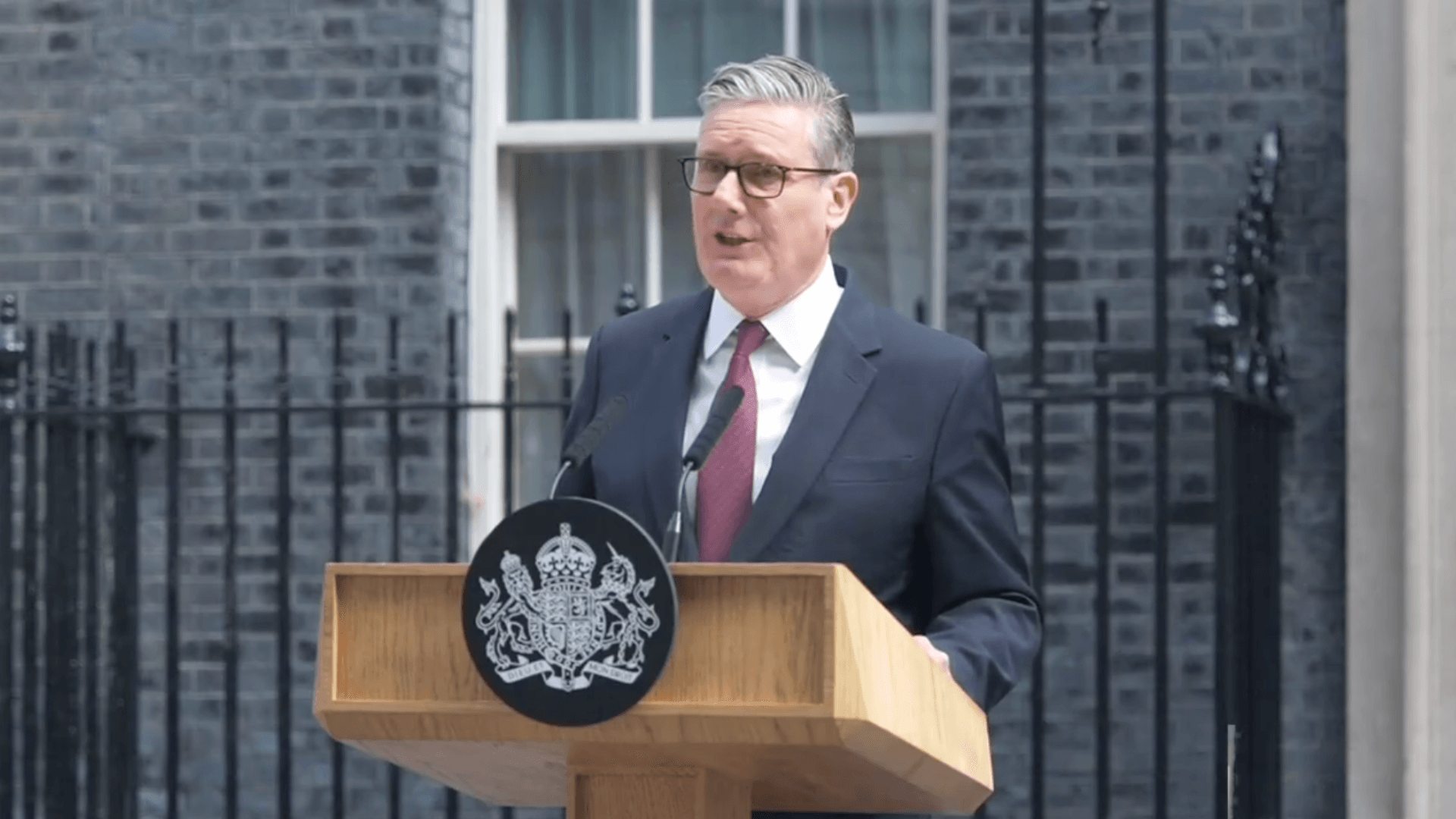
On the morning of 22 June, British Prime Minister Keir Starmer stood outside 10 Downing Street and announced his resignation as leader of the Labour Party. The announcement ends his two-year term that began with a landslide victory in July 2024, but quickly transformed into a stalemate. Starmer confirmed he will remain a caretaker prime minister until a new leader is officially chosen, a process expected to begin in July.
The resignation prolongs the political instability in the UK, making Starmer the sixth prime minister in just one decade to stand outside the famous black door and announce an early exit. The sudden vacancy at No. 10 is likely to introduce a new wave of economic and diplomatic uncertainty just as the UK was attempting to show an image of stability following its decision to leave the European Union.
Triggering the Downfall: Taxes, Healthcare, Local Elections…
While Starmer initially promised to fight any internal challenges to his leadership, a set of domestic issues and internal party disagreements over the weekend ultimately made his resignation unavodiable. The immediate trigger was last week’s special parliamentary election in the constituency of Makerfield. Andy Burnham, the highly popular former Mayor of Greater Manchester, secured a thumping victory to return to the parliament. Burnham’s success was framed by Labour lawmakers as a masterclass in slowing down the electoral advance of Nigel Farage’s right-wing Reform Party, a growing threat that keeps concerning the Labour candidates ahead of the next general election.
However, Burnham’s return was just the final blow. Starmer’s leadership was getting weakened for months due to a combination of policy failures. First of all, the Laborites suffered losses across the country during the local elections that took place in May. Voters expressed frustration with a perceived lack of clear direction – some of the greatest area of discontent were the welfare reform policies that aimed to reduce public spending by tightening the eligibility criteria for health-related benefits, as well as the agricultural inheritance taxes. The proposal featured establishing a 20% tax rate on large agricultural assets. Despite campaign promises to revitalise the country, the administration struggled to deliver economic growth or tackle the prolonged cost of living crisis that was troubling ordinary households.
It is worth noting that Starmer suffered a drop in his personal approval ratings after his controversial appointment of Peter Mandelson as the UK Ambassador in the United States. Later findings concerning Mandelson’s ties to the financier Jeffrey Epstein triggered public backlash and several cabinet resignations, including former Health Secretary Wes Streeting and Defence Secretary John Healey. Regarding the diplomatic relations between Downing Street and the White House, the traditional alliance cooled down significantly over the war in Iran. Starmer’s initial refusal to join US military operations, followed by a sudden shift to allow defensive British strikes, satisfied neither the anti-war wing of his own party nor President Trump, who publicly criticised Starmer’s handling of energy and immigration.
Recognising that a coordinate mutiny was waiting to happen (with several cabinet ministers privately warning him that his time was up), Starmer decided to step aside with good grace to prevent a collapse of the government.
The “King of the North” in the Succession Bid
All eyes will now be pointed at the race to replace Starmer. Because Wes Streeting has surprisingly withdrawn his own potential bid to avoid a divisive summer contest, Andy Burnham is emerging as the frontrunner. If the parliamentary party gathers around him without an internal fight, Burnham could potentially move into Downing Street as soon as July.
Dubbed the “King of the North” during his time as Manchester Mayor, Burnham is expected to bring a change to how Labour Party operates nationally. Unlike Starmer’s centralised and London-focused technocratic approach, Burnham’s political brand is rooted in the regional populism designed to appeal directly to the working-class seats that Labour needs to remain in power. Burnham’s government is expected to support large regional infrastructure investments and promote greater devolution of economic power away from London. Additionally, the Labour will likely shift towards a more protectionist focus on domestic industrial jobs to neutralise the rise of the Reform Party.
Across the English Channel
Starmer’s resignation occurs right on the eve of the tenth anniversary of the Brexit referendum, highlighting the ongoing volatility in Britain’s strategy towards the EU. Under Starmer, London pursued a cautious reset of relationship with Brussels. The incumbent government focused on technical adjustments to trade barriers while ruling out any return to the EU single market or customs union. A transition to a Burnham leadership is likely to accelerate and deepen this relationship, but with a highly transactional character. Burnham has historically been more open to exploring flexible alignment with European standards if it protects manufacturing supply chains in the UK. Brussels might see a more popular British leader with a clear mandate as someone who will be a more reliable negotiating partner than the rather indecisive Starmer administration.
However, the EU should remain realistic. The likelihood of the incoming Labour prime minister risking domestic political crisis by proposing a reversal of Brexit is extremely low. The EU-UK relationship will instead move towards a mutually beneficial alliance. The renewed momentum for a comprehensive EU-UK security and defense pact can be anticipated, alongside regulatory agreements regarding energy grids or cross-border research compliance.
What Happens Next: Implications for Businesses and Markets
Following heavy criticism from both domestic industries and external leaders regarding Starmer’s restrictive green energy policies, an incoming administration will face pressure to reassess North Sea oil and gas licensing. Corporations in the energy sector could see a potential compromise framework taking place in the near future. Such a middle-way approach would likely strike a balance between decarbonisation targets with grid security and lower corporate utility costs. On the financial markets front, while the initial shock of a prime minister resigning typically causes currency fluctuations, the British Pound is expected to stabilise quickly, especially if Labour executes a fast handover to Burnham before August. Financial markets have already priced in the end of the Starmer era – what they require now is a clear timeline for the upcoming autumn budget.
With a NATO summit scheduled for early July, Starmer has confirmed he will represent the UK one last time to ensure international continuity. However, long-term corporate defence contracts and major transport infrastructure projects will likely remain frozen until a new defence secretary and chancellor are formally appointed later this summer.
The British electorate’s appetite for quiet and predictable technocracy turned out to be of incredibly short tenure. Starmer managed to bring Labour back to the office in 2024 successfully, only to find that a landslide majority evaporated quickly when the public felt stuck in place. By failing to turn that massive mandate into concrete progress, his approach achieved the exact opposite of what he intended – handing the keys to a new wave of regional populism.