North Macedonia’s Electoral Shift:
In the aftermath of recent elections, North Macedonia finds itself at a pivotal juncture, with political dynamics shifting towards the nationalist VMRO-DPMNE party. This seismic change has implications for domestic governance and the country’s relations with neighboring Bulgaria and Greece.
The elections, held on May 8, saw VMRO-DPMNE making significant gains, potentially positioning itself to lead a new administration. Led by Hristijan Mickoski, the party has taken a firm stance against Bulgarian demands for constitutional changes. It has challenged the Prespa Agreement by refusing to adopt the agreed-upon name “North Macedonia.”
The victory of VMRO-DPMNE’s candidate, Gordana Siljanovska-Davkova, in the presidential race underscores a broader political realignment in North Macedonia. However, concerns linger over the party’s nationalist rhetoric and its impact on regional stability.
Regional Concerns and EU Prospects:
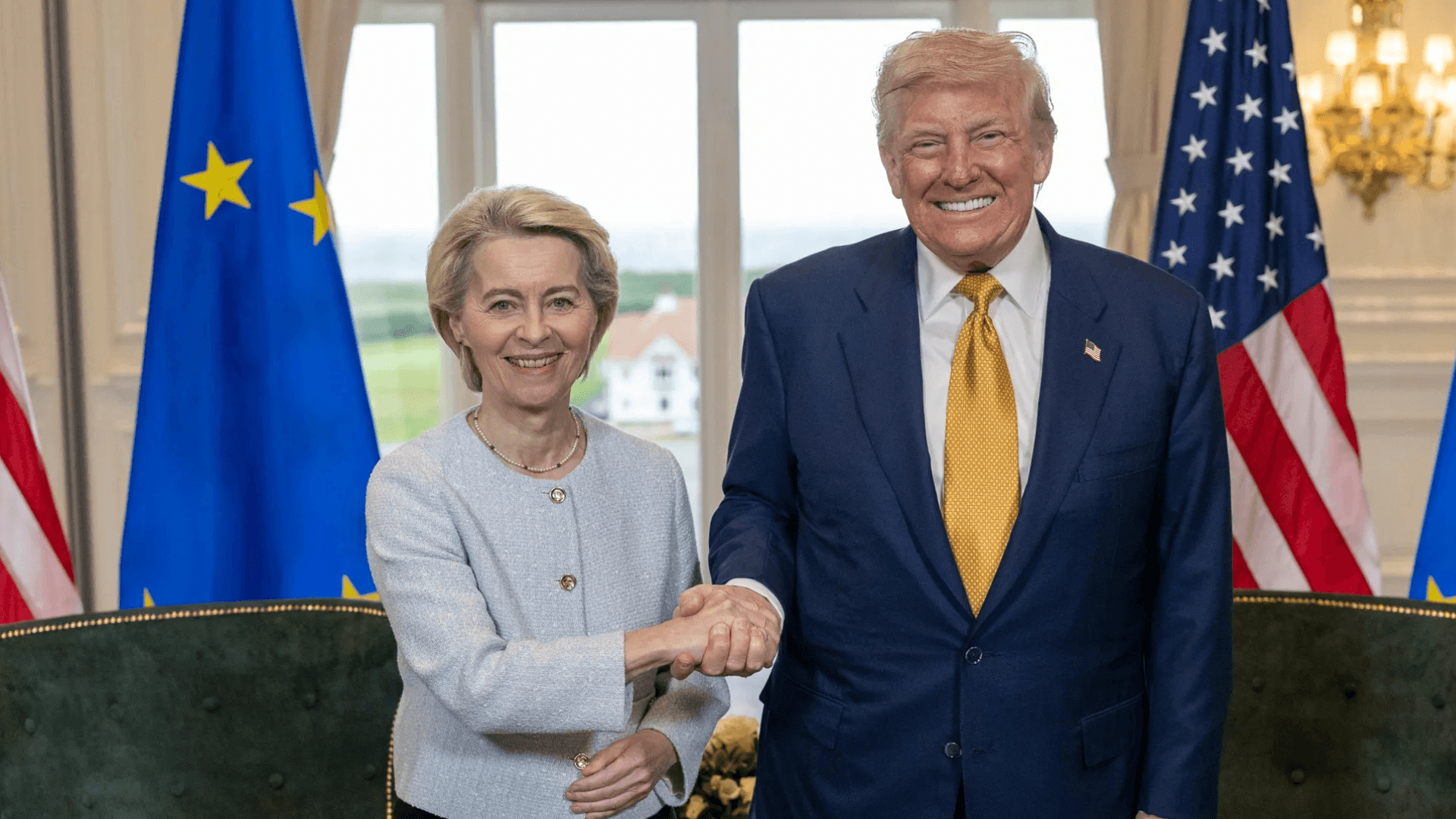
The electoral triumph of VMRO-DPMNE in North Macedonia has sent ripples of concern throughout Europe, particularly in Sofia and Athens, where leaders closely monitor the country’s adherence to key agreements pivotal for its EU accession. European Commission President Ursula Von Der Leyen and EU Council President Charles Michel have been unequivocal in opposing any deviation from the Prespa Agreement; a landmark accord hailed as a breakthrough in resolving the longstanding name dispute between North Macedonia and Greece.
At the heart of this agreement was the crucial stipulation that North Macedonia amend its name to include the qualifier “North,” signifying a commitment to reconciliation and paving the way for progress toward EU membership.
However, the recent resurgence of nationalist rhetoric and defiance exhibited by VMRO-DPMNE presents a direct challenge to these hard-won commitments, placing North Macedonia’s EU prospects in jeopardy. The party’s refusal to honor agreements and its confrontational stance towards neighboring countries erode regional stability and raise fundamental questions about the country’s readiness to uphold the values and principles underpinning the European project.
The implications of North Macedonia’s political shift reverberate far beyond its borders, with ramifications for the broader European Union. The pillars of EU accession, including respect for agreements, commitment to democratic norms, and adherence to the rule of law, are now under intense scrutiny. The integrity of the EU’s enlargement process hangs in the balance, as European leaders grapple with the delicate task of balancing diplomatic engagement with firmness in upholding the principles of the Union.
Navigating Balkan Instability
The political upheaval in North Macedonia unfolds against a backdrop of simmering tensions and unresolved issues across the Balkans, with Kosovo and Bosnia and Herzegovina standing as focal points in the region’s intricate tapestry of challenges. The unresolved status of Kosovo, coupled with lingering ethnic tensions and territorial disputes, underscores the fragility of stability in the Western Balkans. Kosovo’s quest for international recognition and its fraught relationship with Serbia continue to cast a long shadow over regional dynamics, with implications for neighboring states, including North Macedonia and Bosnia and Herzegovina.
Bosnia’s complex governance structure, entrenched ethnic divisions, and fragile peace agreements render it susceptible to external influences and internal strife, further complicating efforts to foster stability and reconciliation.
As North Macedonia grapples with internal challenges, its ability to navigate the broader context of Balkan instability assumes paramount importance. The fate of North Macedonia, alongside Kosovo and Bosnia and Herzegovina, is intricately intertwined with the region’s collective future, with implications extending far beyond its borders.
Against the backdrop of historical animosities and geopolitical maneuvering, the imperative for sustained dialogue, cooperation, and inclusive governance becomes ever more urgent.
The path forward remains fraught with uncertainties, but the stakes are clear: Will the Balkans chart a course toward lasting peace and prosperity, or will the specter of instability haunt the region once more, threatening the aspirations of its people and the stability of Europe as a whole?
Conclusion
As North Macedonia teeters on the edge of uncertainty, the recent electoral upheaval has cast a shadow of doubt over its commitment to European integration and regional stability. The nationalist resurgence embodied by VMRO-DPMNE threatens to unravel hard-won agreements with neighboring Bulgaria and Greece, raising the ominous question: Will Europe succeed in compelling North Macedonia to honor its agreements?
If not, the repercussions for the entire region could be dire. The specter of renewed tensions, historical grievances, and ethnic divisions looms large, posing a formidable challenge to the fragile peace and progress achieved in the Balkans.
Against this backdrop, the future of North Macedonia and its neighbors hangs in the balance, with profound implications for the broader European project. Will diplomacy prevail, or will the region descend again into the abyss of discord and conflict? Only time will tell as the fate of North Macedonia becomes intertwined with the destiny of the entire Balkan region.