In today’s edition, we analyse two different visions for the future of the European defence. Spoiler alert: in the end, a compromise will be needed. Enjoy!
Two visions for the future of the European defence
On Monday, when the European Commission president, Ursula von der Leyen, declared her intention to pursue another term, she made it clear: her goal now is to enhance Europe’s “competitiveness” – a term that, in 2024, encompasses bolstering military strength.
The statement from the former German defence minister resonates with the prevailing geopolitical atmosphere. Europe contends with Russia’s aggressive behaviour, extending into its third year. At the same time, U.S. support for Ukraine wanes, and concerns arise over Donald Trump’s potential return to the White House, risking the abandonment of NATO allies in the process. Moreover, the rapidly evolving scenario in the Middle East and the significant disruption of commercial vessels’ circulation in the Red Sea is stress-testing European chancelleries and diplomacies, facing unprecedented uncertainty.
On the military front, she wants a new EU defence commissioner and countries to join forces on their defence spending.
Von der Leyen parallels the challenges faced in defence procurement and those encountered during the COVID-19 pandemic, where taxpayer funds were mobilised to boost vaccine production and procure essential medical supplies collaboratively. This experience informs the Commission’s approach to developing a robust defence industry strategy prioritising European investment and strategic autonomy.
Central to this strategy is the notion of “spending more, spending better, and spending European,” as von der Leyen asserts. She advocates for a shift towards more coordinated decision-making in defence investments, positioning the Commission as an enabler rather than a mere purchaser in shaping the future of Europe’s defence landscape.
Against heightened geopolitical tensions, particularly with Russia, von der Leyen stresses ensuring that Europe’s defence industry is equipped to respond effectively. Proposals within the Commission’s plan include leveraging the EU budget to supplement joint contracts for weaponry and ensuring a commitment to procuring domestically manufactured goods.
Furthermore, von der Leyen emphasises the need to address the fragmentation within the European defence market, advocating for closer collaboration among member states. She suggests incentivising cooperation through mechanisms that promote joint projects and procurement initiatives, thereby enhancing the return on investment and strengthening Europe’s collective defence capabilities.
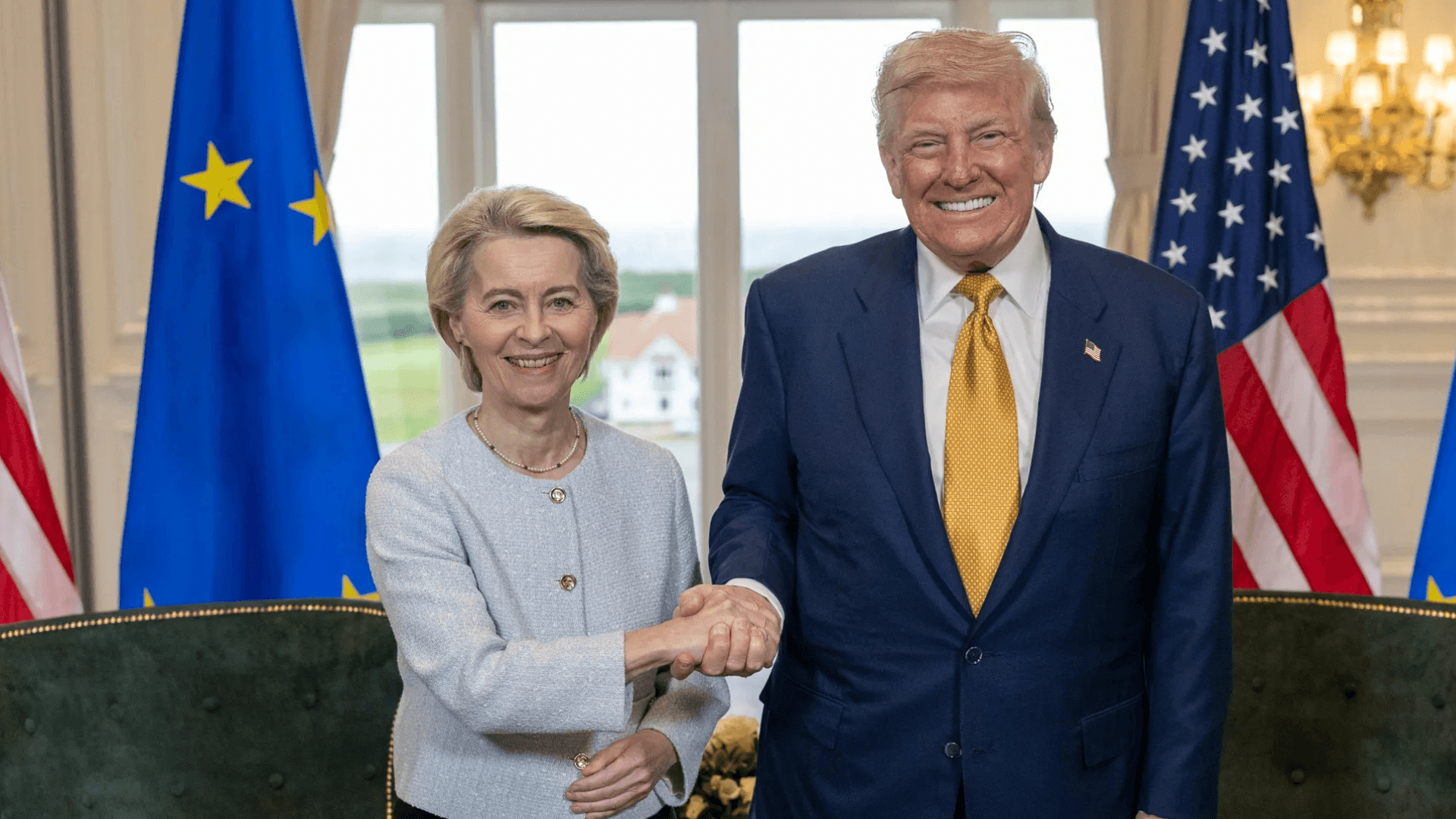
Regarding the possible ramifications of shifting US foreign policy, particularly considering a potential re-election of Donald Trump, whose scepticism towards NATO and isolationist tendencies have raised concerns among European allies, von der Leyen underscores the importance of European self-reliance and protection against external threats, signalling a departure from previous decades’ focus on integration and peace within Europe.
In the short term, the focus remains on supporting Ukraine with military aid, but the overarching goal of the defence industry strategy is to fortify Europe’s long-term security posture. This entails building upon initiatives, such as joint procurement programs and collaboration with NATO, to ensure coherence and synergy in defence planning and investments across the continent.
In this scenario, the election of Ursula von der Leyen as president of the European Commission for a second term depends on the indispensable support of the French President, Emmanuel Macron. One of the cornerstones of Macron’s political thinking is undoubtedly the concept of strategic autonomy of the European Union. Let’s analyse the Macron-thought together to understand better similarities and differences with the von der Leyen defence project.
French President Emmanuel Macron outlined a vision for a “sovereign, united, democratic Europe” on multiple occasions. While advocating for a more united and democratic European Union is not novel, Macron’s assertion that European integration strengthens national sovereignty rather than diminishes it represents a peculiar way of interpreting this process, which procured his doctrine the French appellative of Macronisme.
Despite the ongoing uncertainty and global challenges, Macron emphasises the importance of collective action within the EU, asserting that only Europe can provide the capacity for effective action in today’s world.
Macron’s defence strategy prioritises urgent strategic imperatives and political opportunities over traditional ideological or teleological considerations: his primary military objective is to enable Europeans to act autonomously, complementing NATO’s role in territorial defence with a European capacity for intervention abroad.
Macron proposes establishing a joint intervention force, a shared defence budget and a military doctrine to achieve this goal. While some may dismiss these ideas as recycled concepts, Macron believes they are timely, given the converging factors in 2024.
Firstly, France’s reintegration into NATO’s military command has shifted focus towards pragmatic military effectiveness. Secondly, Macron argues that the United States is gradually disengaging from European security, necessitating greater self-reliance. Finally, he sees French leadership on security and German leadership on economics as vital for driving EU progress, even more within the framework of a second term of Ursula von der Leyen as EU Commission’s president.
Macron’s proposals for a joint military force and defence budget are expected to garner more attention than his idea of a shared military doctrine. However, developing a practical shared doctrine poses significant challenges, given EU member states’ diverse strategic cultures and perspectives.
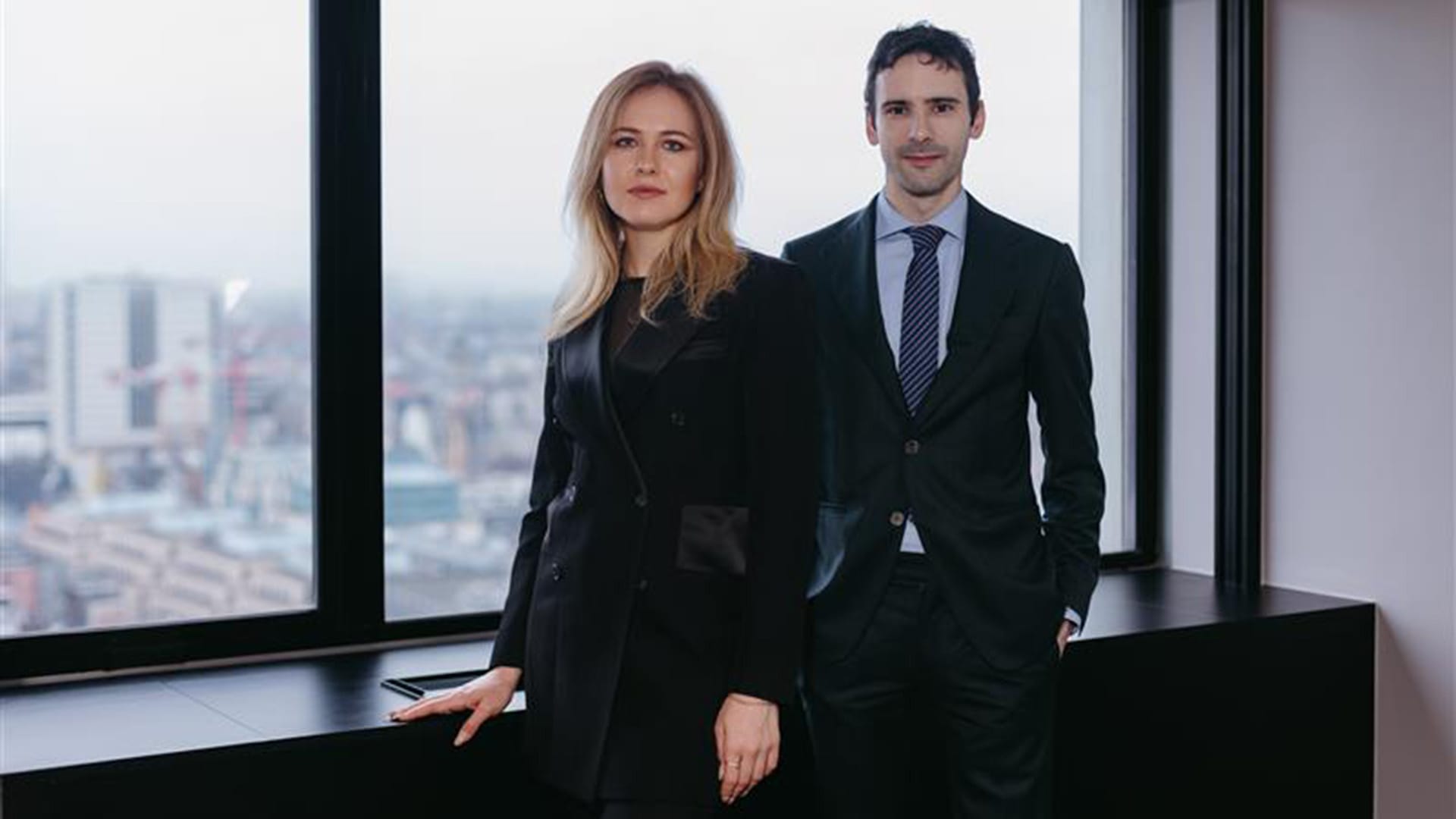
The critical difference between Emmanuel Macron’s vision for European defence and Ursula von der Leyen’s perspective lies in their approaches to European sovereignty and the degree of integration within the EU.
Sovereignty and Integration
Macron advocates for a “sovereign, united, democratic Europe” where European integration is seen as strengthening national sovereignty rather than diminishing it. He emphasises the need for Europe to act autonomously and independently, particularly in defence and security matters. Macron’s vision implies a more assertive stance on European autonomy and self-reliance, potentially challenging traditional alliances and institutions.
While von der Leyen supports enhancing Europe’s defence capabilities, her approach emphasises collaboration and coordination within existing EU frameworks. She advocates for increased investment and consolidation of the defence industry but within the context of maintaining strong ties with traditional allies like the United States. Von der Leyen’s perspective focuses on preserving sovereignty while fostering greater cohesion and cooperation among EU member states.
Strategic Objectives
Macron’s defence strategy prioritises the establishment of a joint European defence force, budget, and doctrine, aiming for greater European autonomy and self-sufficiency in security matters. He emphasises the need for Europeans to act collectively and independently, particularly in response to shifting geopolitical dynamics and challenges.
While von der Leyen supports strengthening Europe’s defence capabilities, her approach is more pragmatic and collaborative. She advocates for measures to increase investment in defence, promote consolidation of the defence industry, and enhance coordination among EU member states. However, her vision tends to focus less on achieving full autonomy and more on improving collective defence capabilities within existing alliances and frameworks.
In summary, while Macron and von der Leyen share the goal of enhancing European defence capabilities, their approaches differ in the degree of sovereignty, autonomy, and integration they envision for Europe. Macron’s vision leans towards greater independence and assertiveness in European defence, while von der Leyen’s perspective emphasises collaboration and coordination within existing frameworks while maintaining strong ties with traditional allies.
Striking a good balance between ideas and pragmatic steps forward to enhance European military resilience and soft power will be crucial to ensure deterrence and preparedness against external threats.