The first week of May has delivered several geopolitical shocks that once again show a shift in the global order and rising tensions between the United States and the European Union.
On 1 May, the US President Donald Trump announced another escalation in trade policy, stating that the United States will increase tariffs on automobiles and trucks imported from the European Union to 25% effective this week. This move cancels out a key provision of the Turnberry Agreement (the trade framework agreed upon in July 2025), which had previously capped such duties at 15%. The administration tried to justify the hike by claiming the EU has failed to comply with the deal’s investment promises, specifically in regard to the establishment of manufacturing plants on American soil.
Consequences and Economic Impact
The immediate impact is a direct hit to the European automotive sector. To be precise, German and Italian manufacturers are expected to suffer the most, as they heavily rely on the US consumer market. By raising the cost of entry, the administration aims to force a “Made in America” policy, offering an exemption only to vehicles produced within the country. However, for the general public this will likely translate to higher prices for popular European models and potential supply chain disruptions – manufacturers are expected to adjust their logistics in the meantime. In a broader sense, this can be read as a return to a trade environment that is risky and less stable. The US Supreme Court’s earlier 2026 ruling, which limited the President’s authority to impose broad economic emergency tariffs, forced the administration into these more sector-specific tariff raises.
The EU has already signalled a response. Bernd Lange, chair of the European Parliament’s trade committee, described the US as an unreliable partner, suggesting that retaliatory tariffs on American products are bound to happen. Investors should expect volatility in European automotive stocks, while the consumers will be the ones who will likely feel a 10% increase in duties the most. The hike from 15% to 25% is projected to be passed on to the buyer, especially for luxury and specialised vehicles that might lack the alternatives in the domestic production.
The likelihood of a de-escalation is low in the short term. The European and American businesses should both prepare for a period where the EU targets iconic American exports (e.g. as bourbon or motorcycles) to apply political pressure on the US administration.
Alliance Fragility and The US Troop Withdrawal from Germany
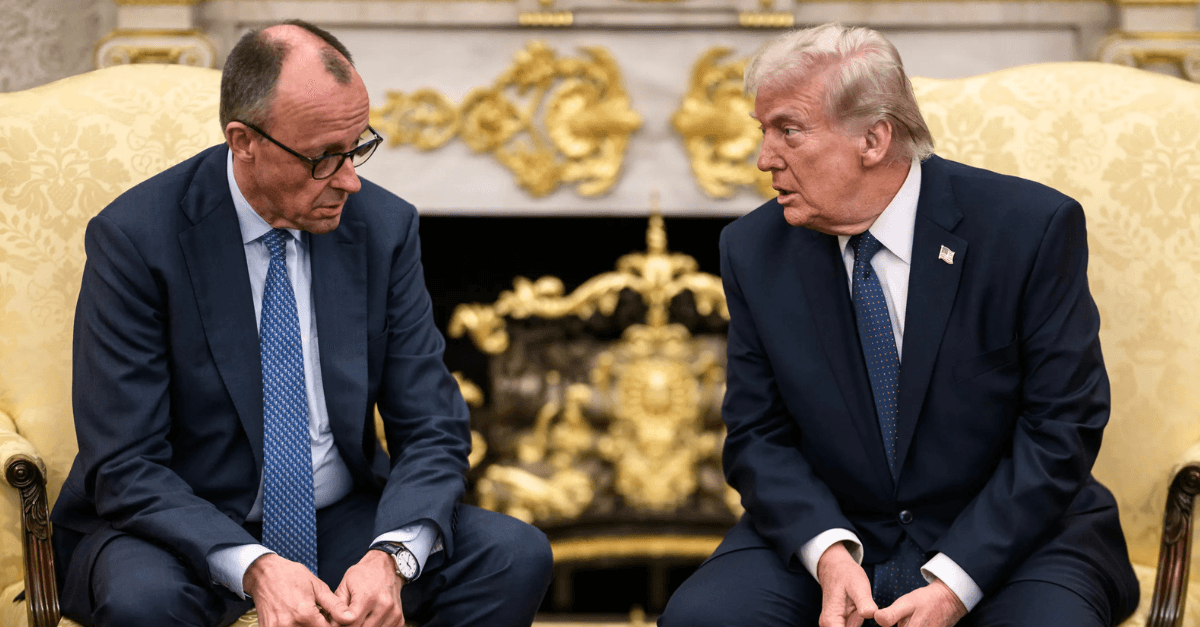
Shortly after the trade announcement, the Pentagon confirmed the withdrawal of 5,000 US troops from Germany. This decision was a culmination of the public (and increasingly personal) fight between Trump and German Chancellor Friedrich Merz over the American military engagement in the Middle East. The withdrawal affects an Army brigade combat team and a long-range fires battalion, and is expected to be completed within 6 to 12 months.
The Geopolitical Impact
To the casual observer, 5,000 troops may not seem as a huge number, especially regarding the fact that there are nearly 40,000 US personnel stationed in Germany. However, the move is symbolically and strategically important, as it signals a shift away from the strategy of keeping the presence of the American troops on the EU soil in order to discourage the attacks of unfriendly actors – this strategy has been particularly important after the full scale invasion of Ukraine by Russian forces. The administration is now signalling that military support is no longer a constant, but rather depends on the political agreement.
The impact on European NATO countries will be felt strongly. Germany and its neighbours are now forced to raise defence spending and integration as the security umbrella offered by the transatlantic partners now appears mostly transactional. Within Washington D.C., the move has drawn (not so common) bipartisan criticism, with some Republican lawmakers arguing that a reduction in force sends a dangerous signal of weakness to the Kremlin at a time when the region is not in its most stable period. The players in the defence markets can expect a surge in demand for European-made defence systems. This could happen as EU nations will look to fill the capability gaps that are the consequence of the US withdrawal. At the same time, the local economies in the towns near bases like Ramstein or Frankfurt may see a slight economic downturn as American spending decreases.
This is the exemplification of a broader “America first” policy promised by Trump and his allies. If the friction with Berlin persists, further withdrawals or the permanent relocation is probable. In the scenario of tensions not lowering in the long term, the American administration might even consider moving the assets completely to more politically aligned partners in Eastern Europe, such as Poland or the Baltic states.
Energy Independence: The UAE’s Exit from OPEC
In what might be the biggest change in the energy sector this decade, the United Arab Emirates officially exited OPEC on 1 May. After nearly 60 years of membership, Abu Dhabi has chosen to walk away from the production quotas imposed by the group. The UAE’s Energy Ministry cited a need for flexibility to meet its national strategic goals, specifically, the Abu Dhabi’s National Oil Company’s target of producing 5 million barrels daily by next year.
Market Reactions and Future Outlook
For years, the UAE has felt limited by OPEC’s production caps, which were designed to keep oil prices high. That approach often acted as an obstacle to the UAE’s massive investments in new extraction technology. By leaving, the UAE can now flood the market or adjust production based on its own fiscal needs, rather than the collective interests of the cartel.
For consumers, especially in Europe, this could initially mean lower prices at gas stations as more supply hits the market. That being said, the long-term impact is more complex. The UAE’s exit will weaken OPEC’s ability to act as the world’s “central bank” for oil, which might potentially lead to higher price volatility. Without the UAE, OPEC lost its second-largest producer, leaving the organisation more dependent on the Saudi-Russian OPEC+ axis. Crude oil traders should prepare for the period of price discovery. The UAE is now an unpredictable producer that can move independently of OPEC, which was previously not the case. This will also put the Emirates in the position to experiment more with the bilateral energy deals with its European and Asian partners, and leverage its position to present itself as a reliable and independent alternative to the uncertainties that the OPEC block offers.
This may be the beginning of the end for the current OPEC structure. Other members that have invested heavily in capacity, such as Iraq or Kuwait, are expected to watch the UAE’s success closely. If the UAE happens to thrive as an independent player, the incentive for others to remain in the group becomes diminished, which could potentially lead to a permanent collapse of global oil production coordination.
Image source: The White House (Friedrich Merz, Federal Chancellor of the Federal Republic of Germany & Donald Trump, President of the United States)