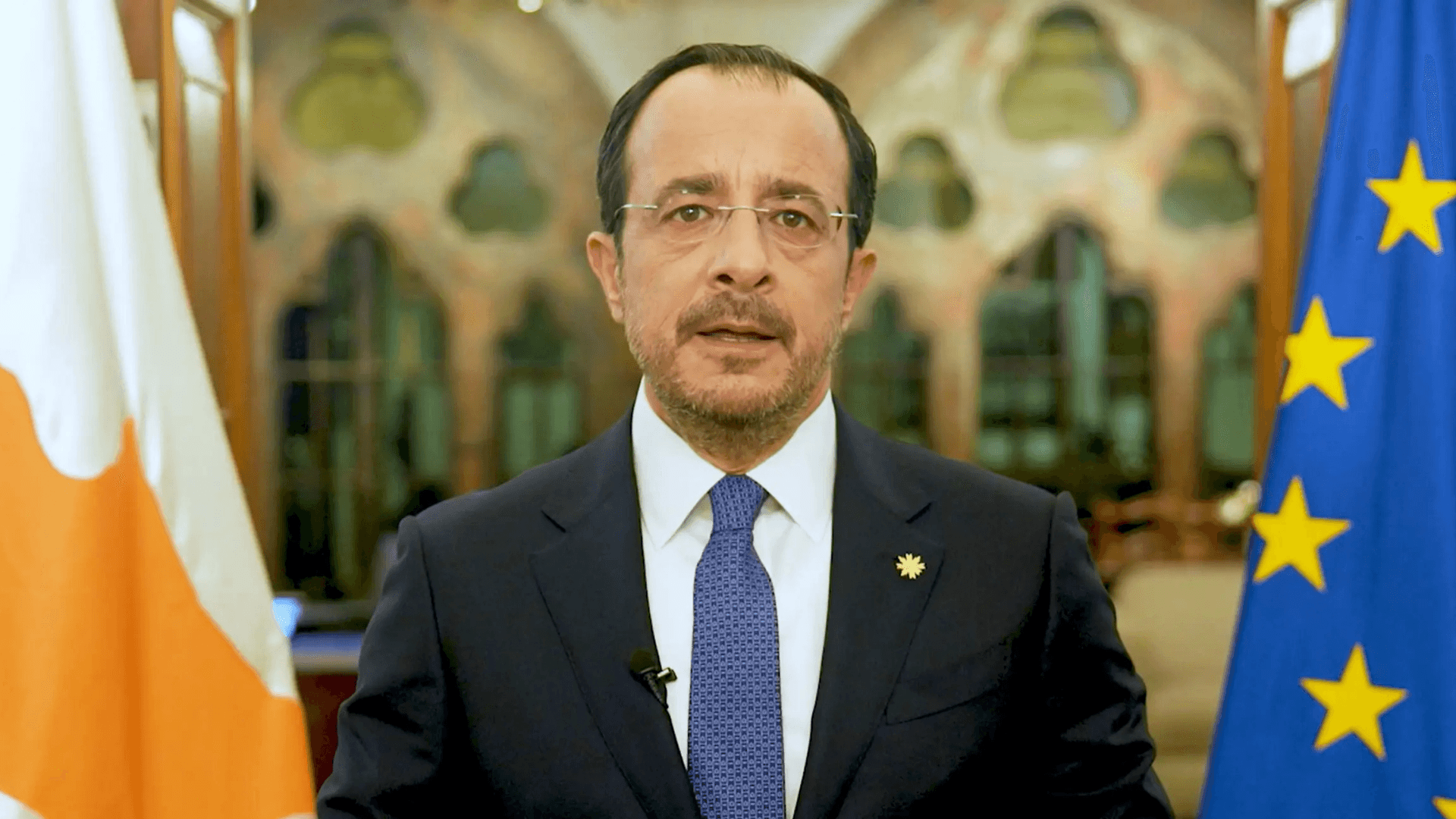
On 1 January 2026, the Republic of Cyprus assumed the rotating Presidency at the Council of Ministers, taking over the role from Denmark. This was the last transition of the current three-piece Presidency (consisting of Poland, Denmark and Cyprus) and comes at a moment when the Union is facing several challenges, most notably regarding competitiveness and a volatile geopolitical environment.
Nicosia’s motto for the next six months is: “An Autonomous Union. Open to the World”. This can be analysed as a calculated attempt by an island nation between three continents to strike a balance between Europe’s internal regulatory focus and its urgent need for global strategic relevance.
Strategic Autonomy
Under the first pillar of its programme, “Autonomy through Security and Defence”, Cyprus will leverage its unique geography to recalibrate the focus of the EU southwards. While much of the 2025 agenda was dominated by Ukraine and the challenges on the bloc’s eastern borders, the Cyprus Presidency is expected to shift its attention to the “Pact for the Mediterranean.”
This can be considered as a necessary rebalancing. Nicosia will take care of the rapid implementation of the EU White Paper on European Defence and the Roadmap for Defence Preparedness by 2030. Nonetheless, the Cypriot influence will likely be felt in the emphasis on maritime security and the protection of critical subsea infrastructure. The Eastern Mediterranean’s gas reserves and the planned electrical interconnections (such as the Great Sea Interconnector) are now regarded as essential parts of European energy sovereignty.
Migration to Europe
Migration remains one of the most sensitive topics on the Council’s desk. As a frontline state, Cyprus has regularly argued in the past that the EU Pact on Migration and Asylum must move from theoretical agreement to a functioning legal framework.
In the coming months, the EU’s deal-making with third countries in North Africa and the Middle East is expected to grow. Cyprus is pushing for the establishment of return hubs and more voluntary return programmes. The challenge here lies in balancing the aggressive demands for border security from Central European countries with the humanitarian and legal standards championed by the Parliament.
The MFF Negotiations
One of the most difficult tasks for the Cyprus Presidency is leading the negotiations for the next Multiannual Financial Framework. As we noted in our previous analysis, the Commission is looking to move away from traditional cohesion and agricultural funding towards a model focused on competitiveness and defence.
Cyprus is in a difficult position, as it is a country that historically benefits from cohesion funds, but is now tasked with building consensus for a budget that might see those same funds reduced or centralised. The Presidency’s goal is to ensure a socially cohesive budget that “leaves no one behind,” yet the reality of the EU’s €2 trillion ambition suggests that Nicosia will have to manage significant differences in ideas between net contributors such as Germany and the more subsidy-dependent members in the east and south.
Enlargement
Regarding enlargement, Cyprus will continue to facilitate talks with Ukraine, Moldova, and the Western Balkans candidates. A subtle but important aspect to observe will be Cyprus’s approach to Serbia. Given that Cyprus is one of the five EU member states that still does not recognise Kosovo, Nicosia is positioned to act as a sort of a middleman. It can host discussions that focus on socio-economic convergence – such as the €6 billion Reform and Growth Facility – without the diplomatic baggage that usually creates friction during the presidencies of other Member States.
Future Expectations
Several trends can be expected as Cyprus takes the steering wheel in the EU. Firstly, a more active Mediterranean policy is likely. The maritime, energy and telecommunications sectors should look for new investment frameworks connected to the Pact for the Mediterranean. Secondly, Cyprus is elevating water scarcity to one of the most important political issues. New legislative proposals aimed at cross-border water management are expected, as the water scarcity is becoming a competitiveness issue for European agriculture and industry. Lastly, after the 2025 shift towards simplification, the Cyprus Presidency will likely favour pragmatic and sector-specific deals to ideology-based regulations. The focus will be on empirical results that can be felt by citizens, especially in affordable housing and mental health.
For those operating in the EU market, the next six months will probably not be focused on the excessive adoption of new regulations and directives, but rather on the rigorous, and possibly challenging, implementation of existing ones.
Image source: Cyprus Presidency of the Council of the European Union