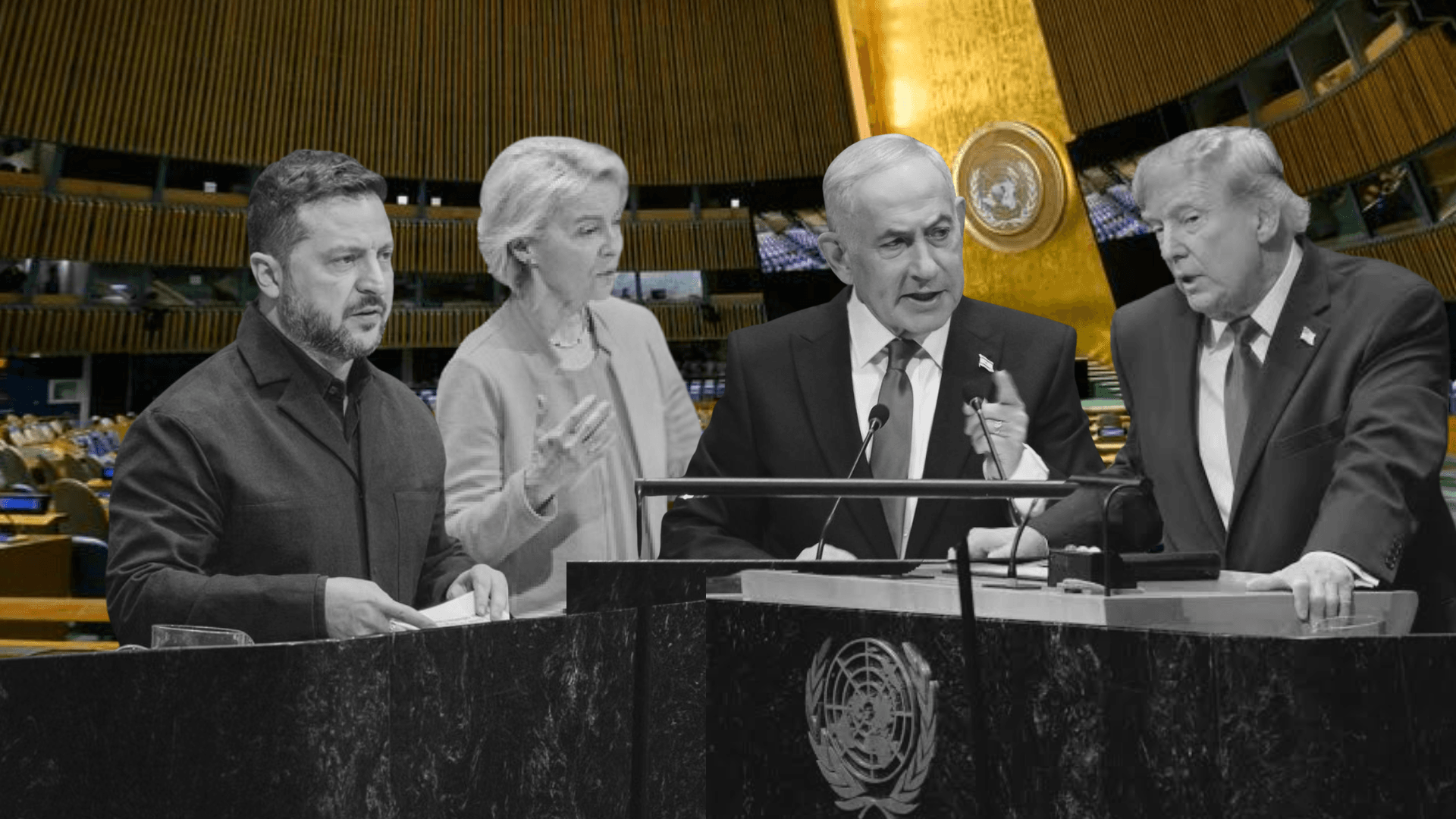
The MEPs will have a rather packed schedule this week, tackling topics such as energy, defence, technology, copyright, and geopolitical uncertainties.
Defence, Energy and Copyright: In the Spotlight of This Week’s Plenary Session
This week, the European Parliament gathers in Strasbourg from Monday to Thursday for a plenary session that will touch upon a myriad of the continent’s most pressing issues. Energy security, industrial survival, the ethical frontiers of technology, and more is on the agenda. Streamlining how companies can build wind farms and deciding who owns a song written by an algorithm are just some of the outcomes of these sessions that will dictate how competitive the Union remains in a fragmented global economy. There’s much more coming up, from discussing recent geopolitical events and EU enlargement strategy to gender pay gap and housing crisis, but we hand-picked four topics that we think might be the most interesting to our readers.
The 2026 Energy Package
The Commission is set to present a comprehensive Energy Package following the 2026 North Sea Summit. This will be a strategy to ensure Europe’s energy is “clean, independent, and secure”. This matters because it directly addresses the volatility of energy prices that has been a huge problem for both households and companies since the early 2020s.
We can expect a focus on cross-border infrastructure, particularly regarding offshore wind and hydrogen grids. The goal is to move away from energy islands toward a unified European grid. Major utility companies and heavy industry players can expect a clearer investment signal as an outcome. If the EU can successfully coordinate these massive projects, it reduces the risk for private capital, and thus potentially lowering the long-term cost of the green transition. Turning the North Sea into a green power plant will be important to ensure Europe is no longer at mercy of external fossil fuel shocks.
Single Market for Defence
The joint debate on defence focuses on two critical pillars: tackling barriers to the single market for defence and advancing flagship European defence projects. Historically, Europe’s defence sector has been a combination of 27 different national markets, which led to massive inefficiencies and incompatible equipment. In the current geopolitical climate, this kind of fragmentation is a liability that can be exploited. By creating a true “single market for defence”, the EU wants to allow smaller-sized innovative firms to compete across borders and not just inside their home country. Intense discussions on how to pool resources for “flagship” projects are to be expected. European-made drones or next-generation missile shields could receive more support from the EU in order to minimise buying these technologies from non-EU allies. This could open up billions in new procurement opportunities, which can be very attractive to SMEs in high-tech sector. The goal is a more agile and self-reliant European military-industrial complex that can respond to threats without waiting for permission from outside.
Copyright Protection in Generative AI
One of the most anticipated debates involves the JURI Committee’s report on the opportunities and challenges of generative AI regarding copyright. This debate will try to answer an important question regarding the digital market: when an AI produces an image or a piece of code, who owns it? And maybe even more importantly, should AI companies pay the humans whose work was used to train the model?
This is a high-stakes clash between large tech companies that develop AI software and the creative echelon of the EU, ranging from journalists to musicians and other artists. If the Parliament leans toward strict copyright protections, it could lead to new licensing models where AI developers must compensate creators. A negative effect of such an approach would be that an overly rigid rule might slow down the AI innovation within Europe. This will influence the quality and legality of the digital tools that most of Europe’s population uses on a daily level. We expect the outcome to set a global precedent, much like the GDPR did for privacy, defining the fair use of human intelligence in the AI world.
Cutting Red Tape for the Clean Transition
A joint statement from the Council and the Commission will address the “urgent need” to shorten and simplify permitting processes. The EU has ambitious goals for a clean transition, but the reality is often buried under a lot of administrative burden. A company wanting to build a battery factory or a solar farm currently faces a labyrinth of permits that can easily take several years to clear.
This debate revolves around speed as a competitive advantage. Stakeholders in the renewable energy and manufacturing sectors are looking for one-stop-shops where permitting is centralised and accelerated. We can expect a push for silent approval mechanisms, where a permit is granted automatically if the government doesn’t respond within a previously set timeframe. The clean transition only works if it happens fast enough to keep industries from moving to regions with less red tape. The outcome will likely be a new regulatory fitness mandate that’s aimed at making the EU a place where it is actually easy to build things again.