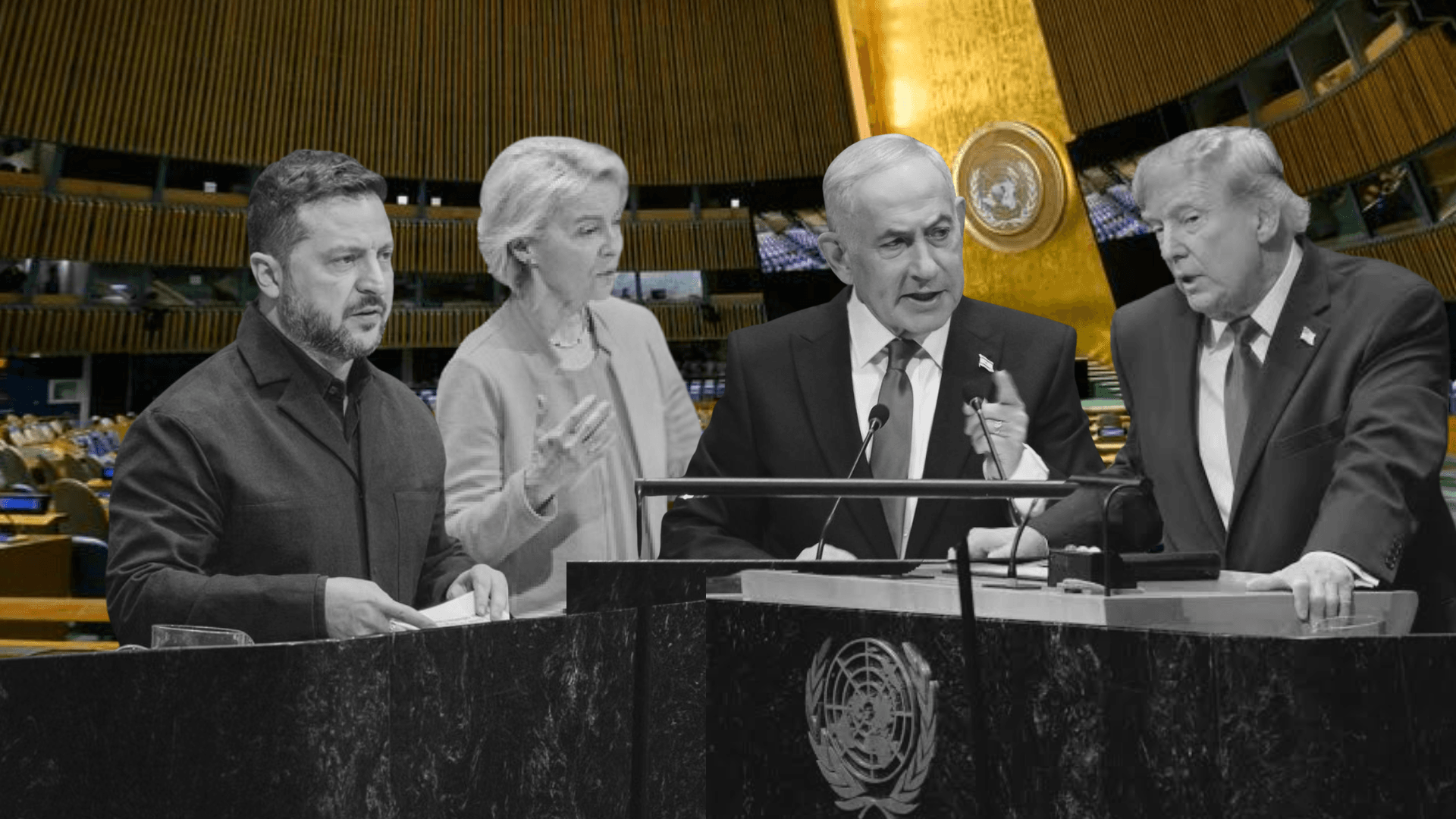
On eleventh-hour unanimity compromise, Brussels agreed to delist prominent Russian billionaires Alisher Usmanov and Mikhail Fridman in exchange for locking in the wider Russia sanctions framework on a 36-month review cycle. Concurrently, the European Commission is advancing accession plans for candidates like Ukraine, Moldova, Montenegro and Albania, pairing market integration with unprecedented institutional and internal-market safeguards.
Taken together, the two developments point to the same structural challenge. The EU is seeking to act consistently, but its decision-making framework continues to give individual member states significant leverage. On sanctions, the EU compromised to remove two high-profile listings in order to secure a longer-term renewal of the wider regime. On enlargement, Brussels is considering new safeguards, transitional measures and gradual integration mechanisms to ensure that a larger Union does not become a less cohesive one.
Sanctions Strategy: Pragmatic Trade-Offs and a Longer Horizon
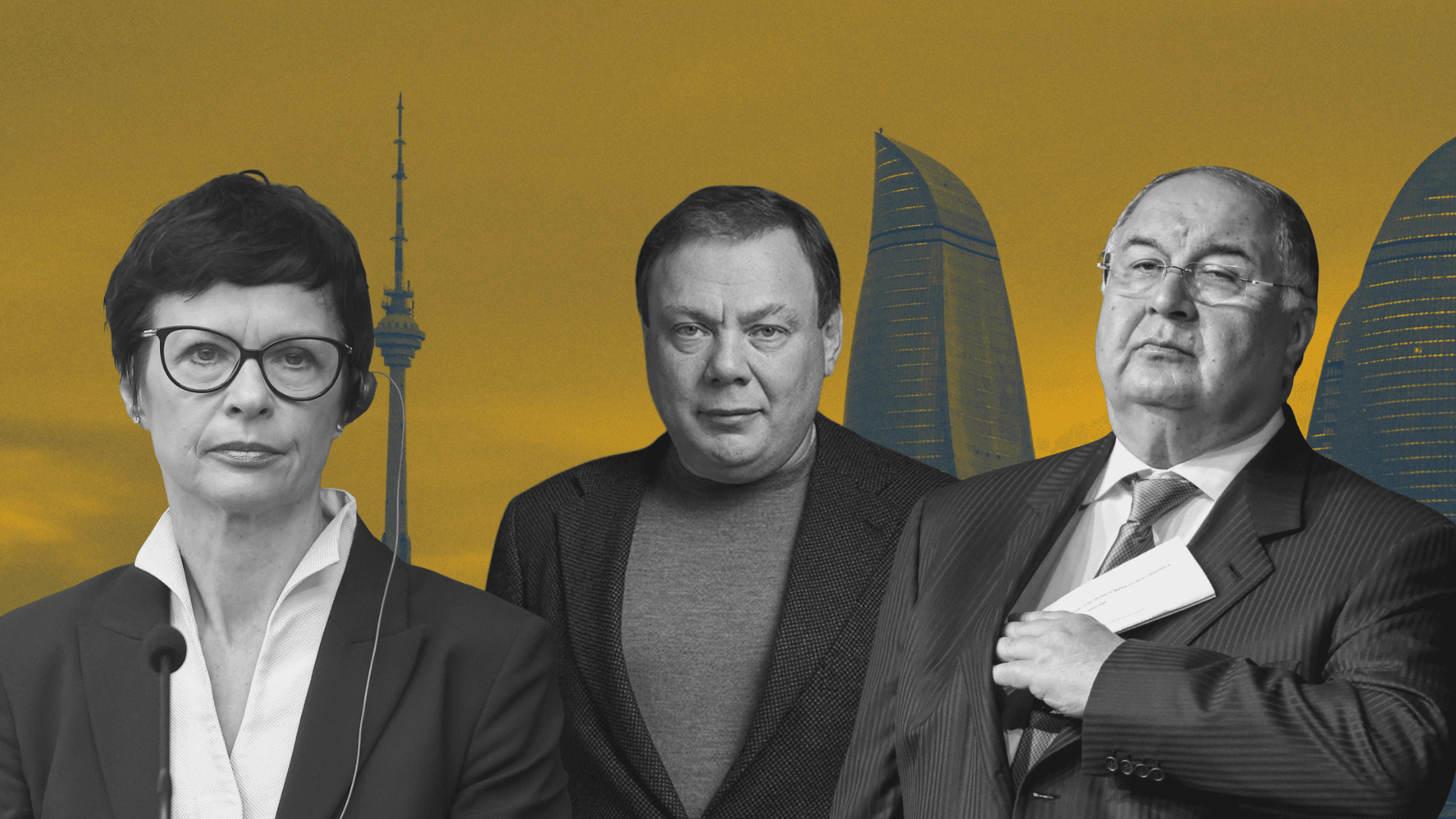
On 22 September, EU governments agreed to renew sanctions covering roughly 3,000 Russian individuals, businesses and entities. However, they removed a Russian-Uzbek metals and telecoms billionaire Alisher Usmanov and a Russian billionaire and co-founder of Alfa Group Mikhail Fridman from the bloc’s list. What is intriguing is that the main advocates for release were France and Luxembourg. France supported the removal of Usmanov for national security considerations, while Luxembourg backed the removal of Fridman amid a legal dispute concerning frozen assets. On the other hand, Latvia, which had initially opposed the move, ultimately abstained, allowing the package to pass. The compromise extended the wider sanctions regime for 36 months, replacing the previous six-month renewal cycle and providing a substantially lengthy regulatory predictability for businesses and financial institutions. The longer renewal period creates more stability and makes it harder for individual member states to use each renewal deadline as bargaining power.
Therefore, the trade-off is clear. The delisting of two Russia affiliated billionaires has generated significant political criticism, particularly from Ukraine. Nonetheless, the longer renewal period creates more stability and makes it complicated for individual member states to use each renewal deadline as bargaining power. Foreign Minister Andrii Sybiha described the removal as “shameful and unjustifiable”. Additionally, president Volodymyr Zelenskyy argued that the decision benefits Moscow. Hence, Kyiv has called on individual EU member states to consider national sanctions against the two businessmen as a response.
France and Luxembourg’s National Interests Against EU Policy
The circumstances surrounding the two delistings are noteworthy for businesses monitoring sanctions exposure. France argued that Usmanov’s removal was a national security measure. Yet, the precise details of the French position have not been publicly established. Usmanov has longstanding ties to Azerbaijan, and diplomatic reporting has linked France’s position to negotiations involving French nationals detained in the country. However, this reported connection has not been officially confirmed by the French government.
Nevertheless, Luxembourg’s position was connected to the legal dispute involving Fridman and frozen assets. Fridman has brought a €15 billion lawsuit against Luxembourg over assets frozen under EU sanctions, creating additional legal and financial exposure for the country. The case demonstrates how sanctions intersect with domestic courts, asset-management structures and bilateral legal disputes.
Enlargement Within the “Ever Closer Union”
The second major Brussels debate is moving in parallel. The European Commission is preparing a package examining how the EU should adapt to future enlargement, including the implications for decision-making, democratic safeguards, the internal market, infrastructure and financing. The debate is timely as the EU considers a future Union that could include countries such as Ukraine, Moldova, Montenegro and Albania. The Commission’s existing enlargement framework already requires candidates to meet the Copenhagen criteria, implement the EU acquis and demonstrate the institutional capacity to function as members. However, The EU itself must also have the capacity to integrate new members.
The emerging debate goes one step further. Rather than treating accession as a single moment at which a candidate moves from outside to full membership, Brussels is examining whether integration should become more gradual and whether accession should be accompanied by stronger safeguards. Commissioner for Enlargement Marta Kos has outlined four areas under discussion: internal EU reforms, resilient democratic safeguards, gradual integration and transitional measures. The Commission has also been examining how decision-making could become more flexible as the Union expands. This is not entirely new. The Commission has already promoted step by step integration through mechanisms such as the Growth Plans for the Western Balkans and Moldova and the Ukraine Plan. These tools allowed candidate countries to establish closer links with the EU even before becoming a member. The 2025 Enlargement Package also explicitly connected gradual Single Market integration with stronger safeguards against future democratic backsliding.
For businesses, this could create opportunities well before formal accession. Companies operating in logistics, infrastructure, energy, telecommunications and cross-border digital services may benefit from closer integration with the EU markets and rules. However, gradual integration could also increase competition, particularly in agriculture, labour mobility and access to EU funding. Transitional arrangements may therefore become important as candidate countries move closer to the Single Market.
Building Safeguards into Future Accession
The EU has learned lessons from previous experiences such as rule of law disputes with Hungary and democratic backsliding with a recent candidate country Georgia and considers stronger guardrails for future members. A draft discussed this week reportedly includes a possible “temporary political commitment” under which a new member would agree not to block consensus decisions for a limited period. Another proposal would allow existing member states to suspend certain rights of a new member, potentially including voting rights, through qualified-majority voting during a defined post-accession period. These proposals remain under discussion and could change before the Commission presents its final package since they possibly raise concerns for joining member states regarding their sovereignty and representation within the union.
Enlargement affects business directly as it influences not only market access but also the EU budget, regulatory enforcement, infrastructure investment, competition policy and the institutional balance between member states. The Commission’s pre-enlargement policy reviews are intended to assess precisely these issues. The 2025 Commission framework identified policy reviews and reforms as part of the preparation for a larger Union, including the implications for the EU budget and key policy areas.
Can the EU Expand Without Losing Cohesion?
The immediate focus now shifts to the Commission’s forthcoming pre-enlargement policy review package and Ukraine is central to this debate. Its accession process is directly connected to European security and the future architecture of the continent. At the same time, the bloc will need to demonstrate that enlargement can deliver tangible benefits to existing and future members without weakening its decision-making capacity.
The sanctions compromise pressed the difficulty of unanimity in the union. The EU has preserved the wider Russia sanctions framework and secured a three-year renewal, but it has also demonstrated how national considerations can shape collective policy. Enlargement presents the same challenge on an even larger scale. The consideration is not simply whether the EU can admit new members. What concerns businesses, individuals and member states is whether it can create the institutional mechanisms needed to remain coherent, financially sustainable and capable of acting after enlargement. The Commission’s upcoming package should clarify whether or not the Union is moving towards a more flexible model of European integration. One in which candidate countries gain access to parts of the Single Market and EU programmes progressively and additionally develop stronger safeguards against political and economic disruption.