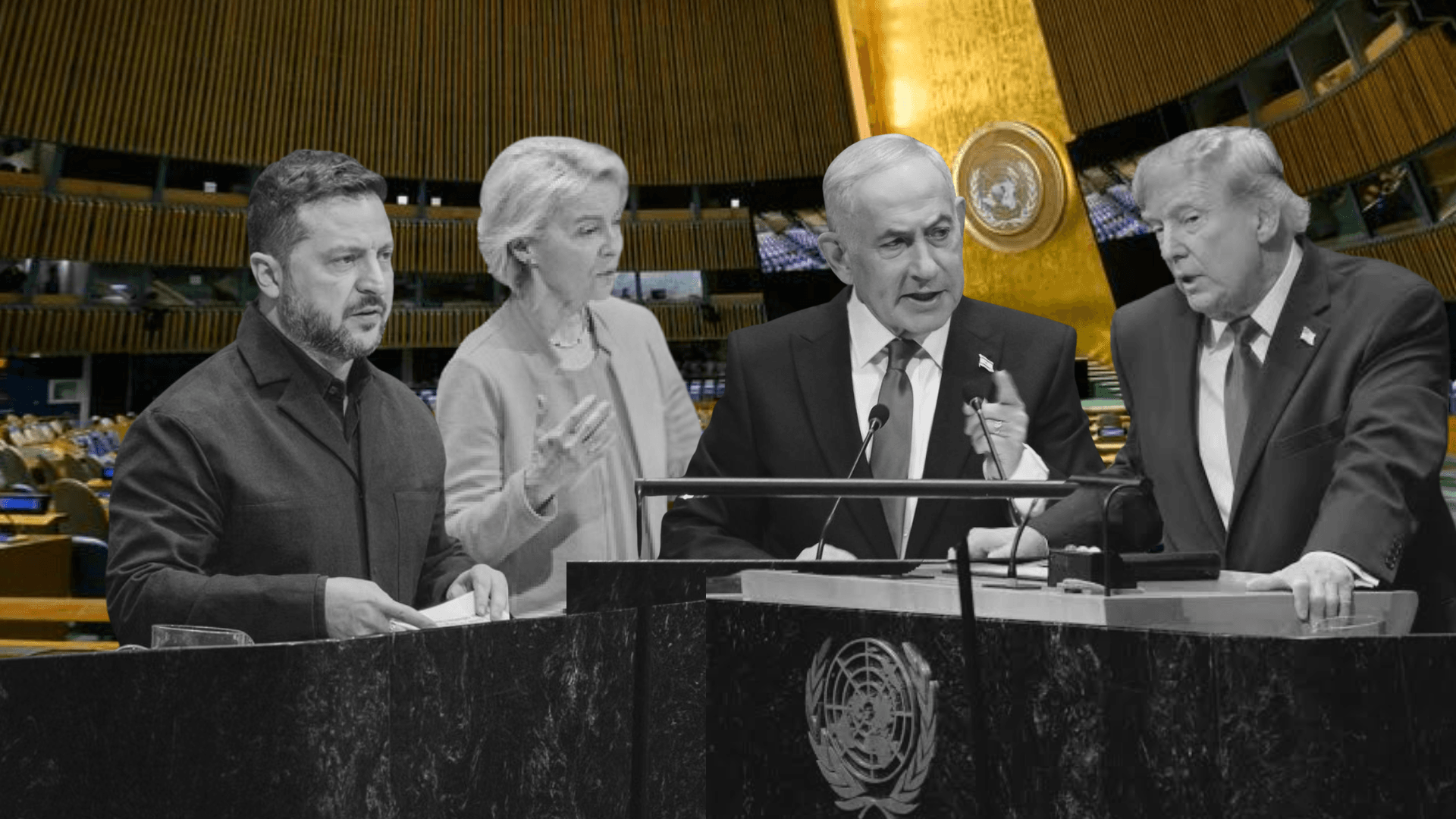
Christmas came later in the State of Florida, and an “almost agreed” peace plan is hiding under the tree.
So Close, Yet So Far Away: Prospects for Peace in Ukraine
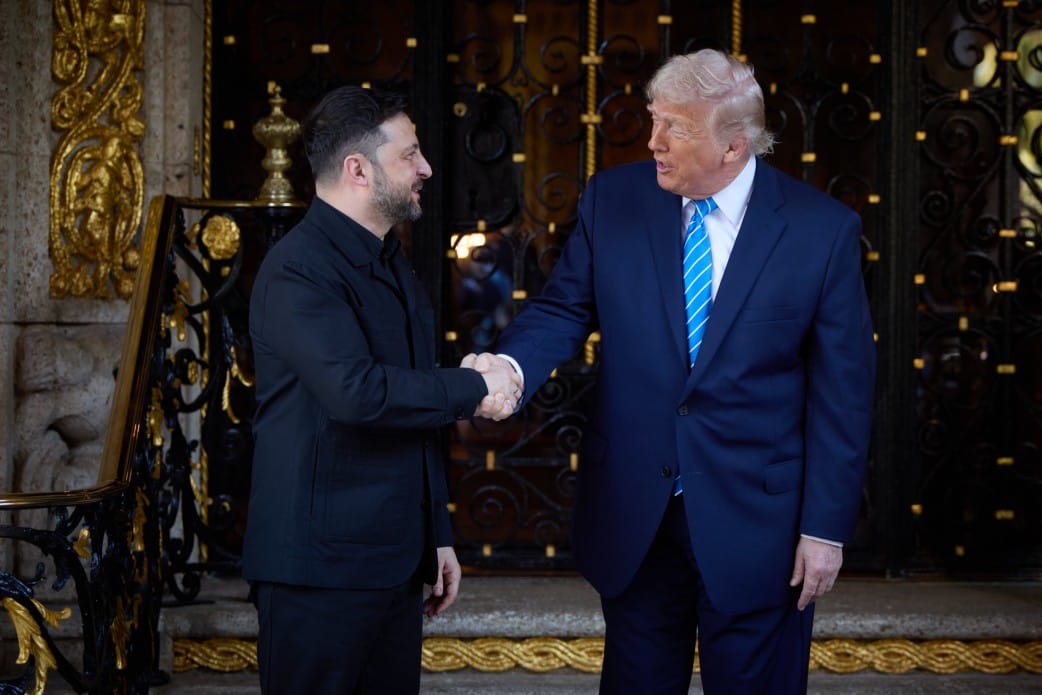
The year 2025 is drawing to a close in dramatic fashion. As many enjoy the winter break, all eyes are set on Mar-a-Lago. Donald Trump and Ukrainian President Volodymyr Zelenskyy met on Sunday in an effort to advance a final agreement on the war in Ukraine. This rendezvous revolved around two central items on the agenda: a 15-year US security guarantees and a Ukrainian referendum regarding the ultimate peace terms.
For nearly four years, the Western strategy has been defined by unequivocal support of Ukraine. The recent meeting suggests that this era might be coming to a close — replaced by a model that tries to balance Ukraine’s survival with the US administration’s desire for a rapid end to the war, on the wings of the successful brokering of the Israel-Hamas ceasefire.
Fifteen Years of Protection
The most concrete outcome of the talks is the proposed 15-year US security guarantee. While the previous American administration was more inclined towards long-term bilateral agreements, the 15-year figure offered by President Trump can be read as a geopolitical compromise of a sort. For Washington, it provides a sunset clause that avoids the permanent obligation of a NATO Article 5 commitment, while still offering enough support to prevent immediate Russian reinvasion, should it happen.
For Kyiv, however, this timeline is not really a diplomatic victory. Zelenskyy’s administration has pushed for a 20-to-30-year timeframe, or, ideally, a clear path to NATO membership. A 15-year window is, in the eyes of many Ukrainians, just long enough for Russia to rebuild its military capacity for a second attempt. This explains the different incentives of the main actors of the talk: the USA wants a durable exit strategy, while the Ukrainians seek a protective shield from their expansionist neighbours. By setting the guarantee at 15 years, the US is essentially betting that the internal dynamics of Russia will be changed by 2040, or that Ukraine will achieve a point where it is able to build a fully stable, Israel-like security and defence capability in the unwanted case of new military threats.
Vox Populi – Vox Dei
Perhaps the most sophisticated element of the meeting was Zelenskyy’s announcement that any final peace plan involving territorial concessions or shifts in neutral status would be put to a national referendum.
By involving the general Ukrainian public, Zelenskyy effectively achieves two goals. First and foremost, he avoids the potential historical stigma of being the leader who wrote off the land, and follows the word of the national constitution that requires him to consult the public on territory concession issues. Secondly, he gains significant leverage at the negotiating table with both the US and Kremlin. If the terms offered by Moscow or Washington are too unbalanced, Zelenskyy can refer to the referendum as a democratic veto that he isn’t able to overrule. This creates a hard floor for negotiations, signalling to both Trump and Putin that any deal must be somewhat acceptable to a people that has endured years of Russian aggression.
That being said, there are risks involved. A referendum during a state of war, with millions of citizens displaced or living under occupation, is an immense logistical and constitutional challenge. If the referendum doesn’t pass, Ukraine could find itself in a very difficult position, rejected by its own people and potentially abandoned by the US administration that views its “best offer” ditched.
The European Shadow
While the Florida meeting was in essence a bilateral affair, some European leaders were present during the proceedings. The fear in Brussels remains the same: a deal about Ukraine that resets the European security architecture without European consent.
A US-brokered deal that leaves Europe to bear a significant burden for Ukraine’s reconstruction while Washington provides only a time-limited security guarantee would exacerbate the tensions between both the US and the EU, and the Member States themselves. If the US guarantee is set for only 15 years, the burden of strategic autonomy will likely become a race against time for the Old Continent. The European defence industry would have exactly a decade and a half to become the primary guarantor of its own eastern borders.
The New Year Tensions and Resolutions
As the world is transitioning to 2026, there are several things that might happen in the near future. First of all, if the ceasefire is reached based on current battle lines and backed by the 15-year US guarantee, there will probably be a so-called frozen peace scenario. This would lead to a temporary increase in investment in Ukraine (especially in the western parts), but the risk of an unsuccessful referendum would keep long-term capital cautious. The geopolitical risk premium for Eastern Europe would still remain high. If the Ukrainian public ultimately rejects the territorial concessions, viewing them as a capitulation, the US will likely view it as a sign of bad faith and reduce its military aid. Kyiv would, in that scenario, be forced towards a European-led security coalition.
From a Russian viewpoint, it is possible that Putin will accept the 15-year framework, calculated on the belief that Western unity will regress before the guarantee expires. If that happens, Russia will maintain its hybrid warfare actions, testing Western limits through cyberattacks and political subversion.
The days of difficult diplomatic dialogues in Mar-a-Lago are not yet over. On Monday, 29 December, President Trump will meet Israeli PM Benjamin Netanyahu to discuss moving to the next stage of the Gaza ceasefire, which will focus on demilitarisation of Gaza and Hamas disarmament. It is likely that the diplomatic meetings will give Trump points with both domestic and international audiences, as he is set to deliver his campaign promises of ending the wars in Europe and Middle East.