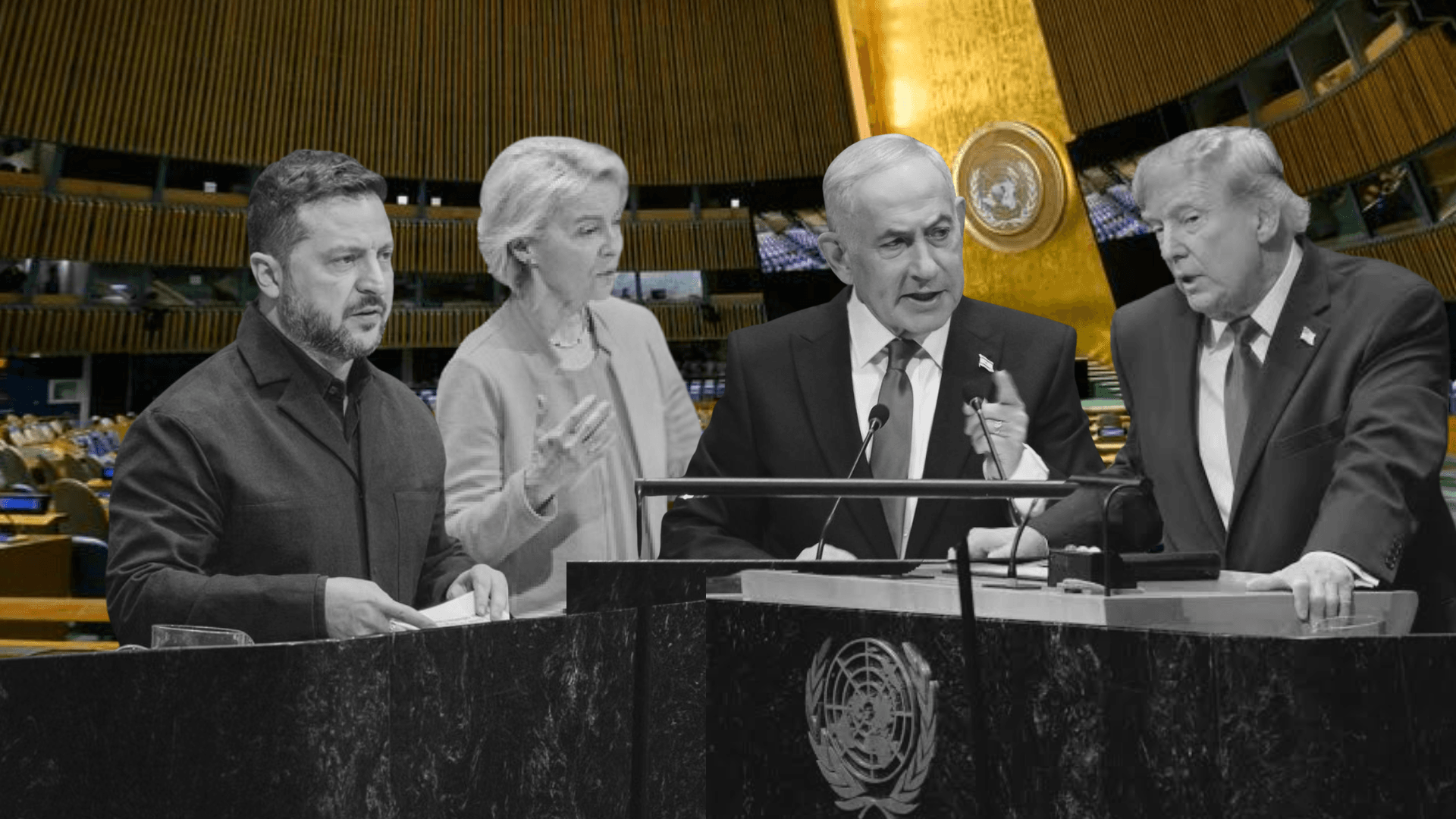
In this week’s newsletter, we look at the start of Karol Nawrocki’s presidency in Poland, new US tariffs on imported chips, and the EU–US trade deal of last week. Enjoy!
Warsaw’s new war – against itself
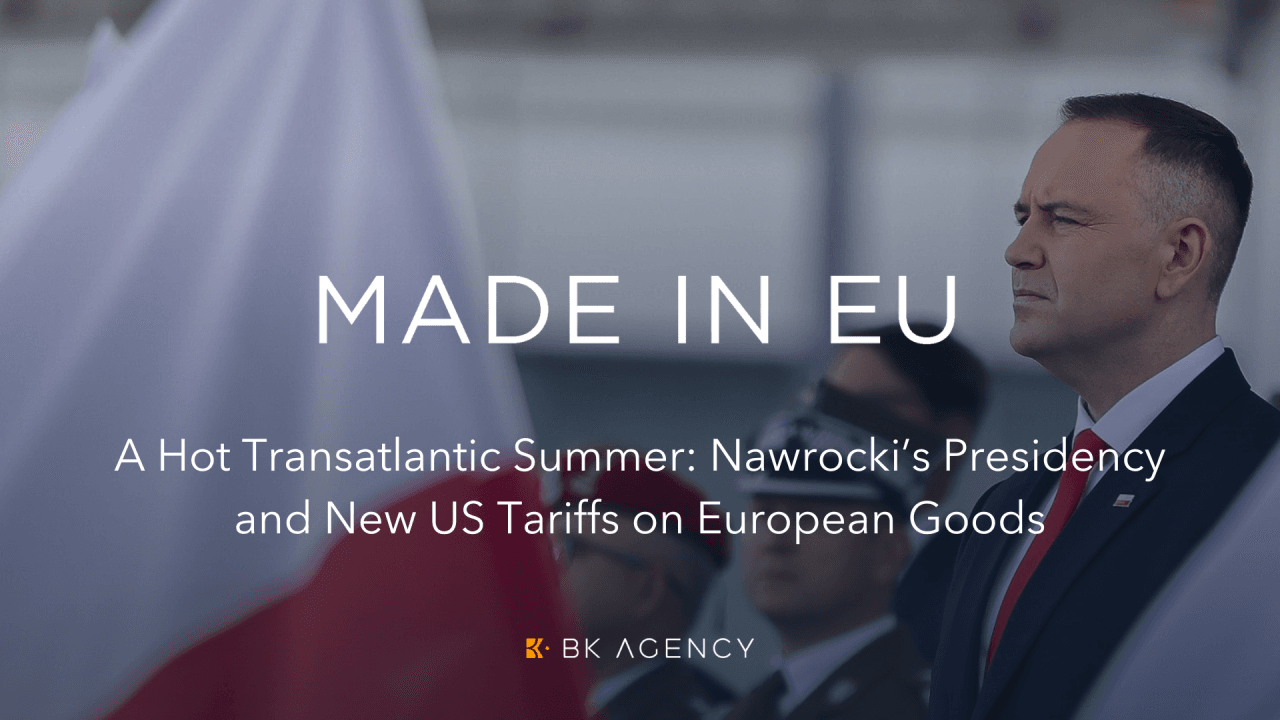
Karol Nawrocki has officially stepped into the role of President of Poland — and he wasted no time in making it clear that his mandate will not be one of compromise.
In his inaugural speech, Nawrocki accused his opponents of “propaganda and contempt,” promised to fight illegal migration, ruled out adopting the euro, and hinted at constitutional reforms to limit Brussels’ influence. His speech was less a presidential address and more a declaration of opposition to Tusk’s government.
With Nawrocki aligned with Law and Justice and Tusk leading a centrist coalition, Poland is entering into two years of open political conflict. The presidency holds veto power, and Nawrocki will use it. At the national level, ministers are now facing the challenge of implementing policies that the President could veto at any time. On the European stage, meanwhile, the Commission will be forced to deal with a government that is institutionally at war.
However, foreign policy is the only thing that might bring a truce between President Nawrocki and Tusk. During the entire election campaign, Nawrocki reaffirmed his support for Ukraine, promised continuity on NATO and spoke warmly of the transatlantic alliance — an obvious signal to Washington, and especially to Donald Trump. Now that Poland’s Council presidency has ended, the country’s new institutional setup could shift Warsaw’s role from an awkward partner to a key transatlantic bridge for the US administration.
Trump signs a trade deal and drops the hammer on chips
And while Trump has gained a new ally in Europe, it has been a busy week for the White House. First, Trump signed a new EU–US trade agreement including a 15% reciprocal tariff on most goods imported from the EU. The deal also includes a major investment chapter, with Brussels pledging €600 billion in joint initiatives in energy, defence, and critical infrastructure.
Then came the real blow: a 100% tariff on all imported semiconductors, with exemptions only for companies that manufacture in the United States.
Apple and TSMC are reportedly already covered following new investment pledges on the US soil.
The message is simple: if you want access to the US market, you build in the US – full stop. The timing is not a coincidence. With a 15% deal on the table, Trump now has the political cover to move aggressively on the sectors he cares about most. Semiconductors are one of them. The US Chips Act has already pumped billions into domestic production. This new tariff strategy forces everyone else — particularly Asian and European producers — to fall in line or lose access.
European governments are caught in an unfavourable position. France and the Netherlands will push for a strong response to the 100% tariff and the Commission will call for a “dialogue.” Meanwhile, companies will quietly start exploring options in Arizona, Texas and California.
Back in Brussels, trade officials will try to frame this as a balanced agreement. But with subsidies, tariffs, and now direct conditionality on foreign investment in the US, Trump is setting the terms — and Europe, as usual, is reacting late.
The return of political deadlock in Warsaw and economic coercion from Washington are no coincidence — it is the shape of things to come over the next two years. Institutional fights in the member states, transactional deals abroad and a European Union caught between defending its credibility and managing its decline. After the summer break, Brussels will need to face some difficult decisions. It needs more than just resilience to stay relevant — it needs a strategy. And it needs it fast.
Made in the EU is taking a little break. See you on 27 August. Happy summer!