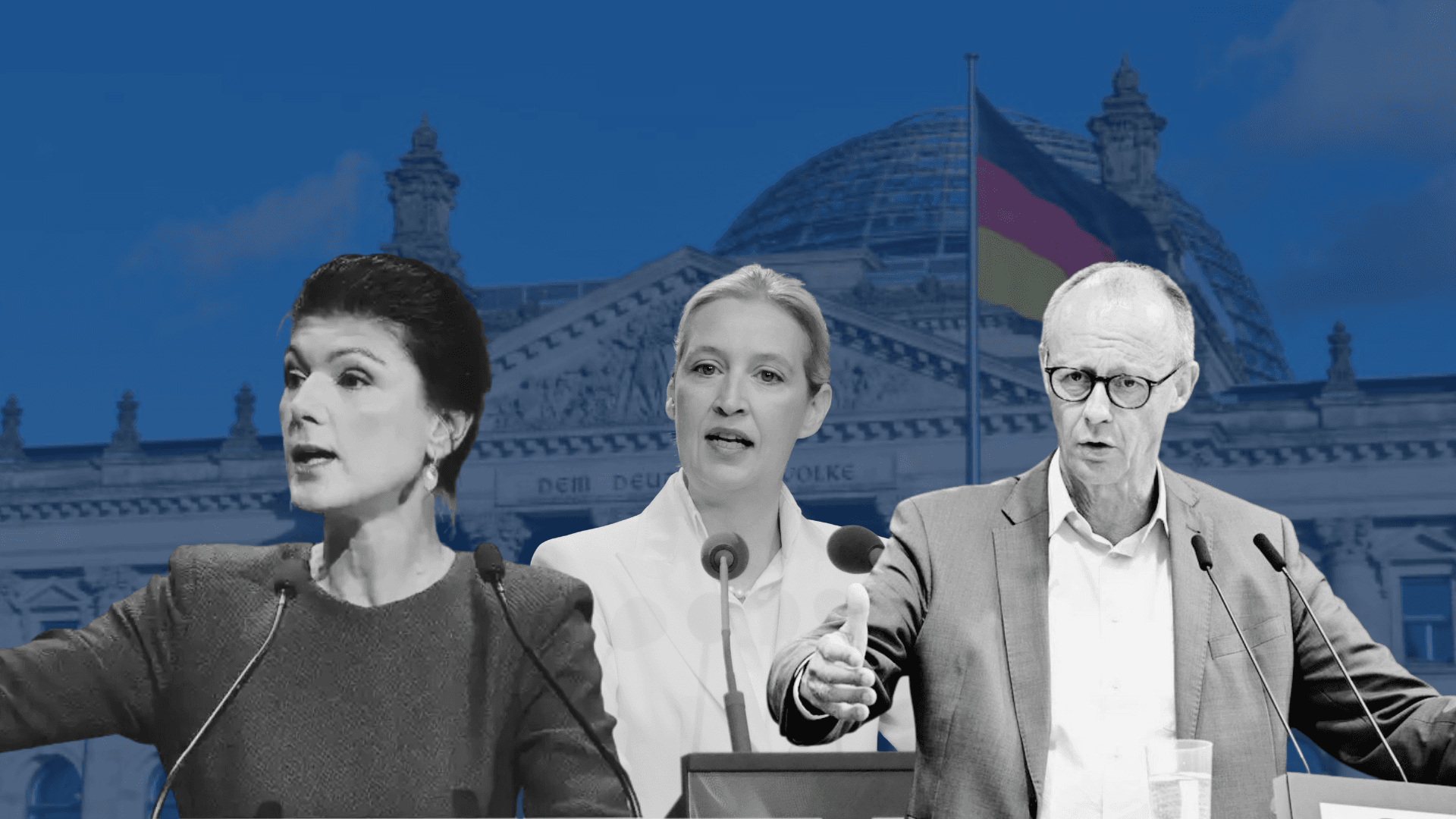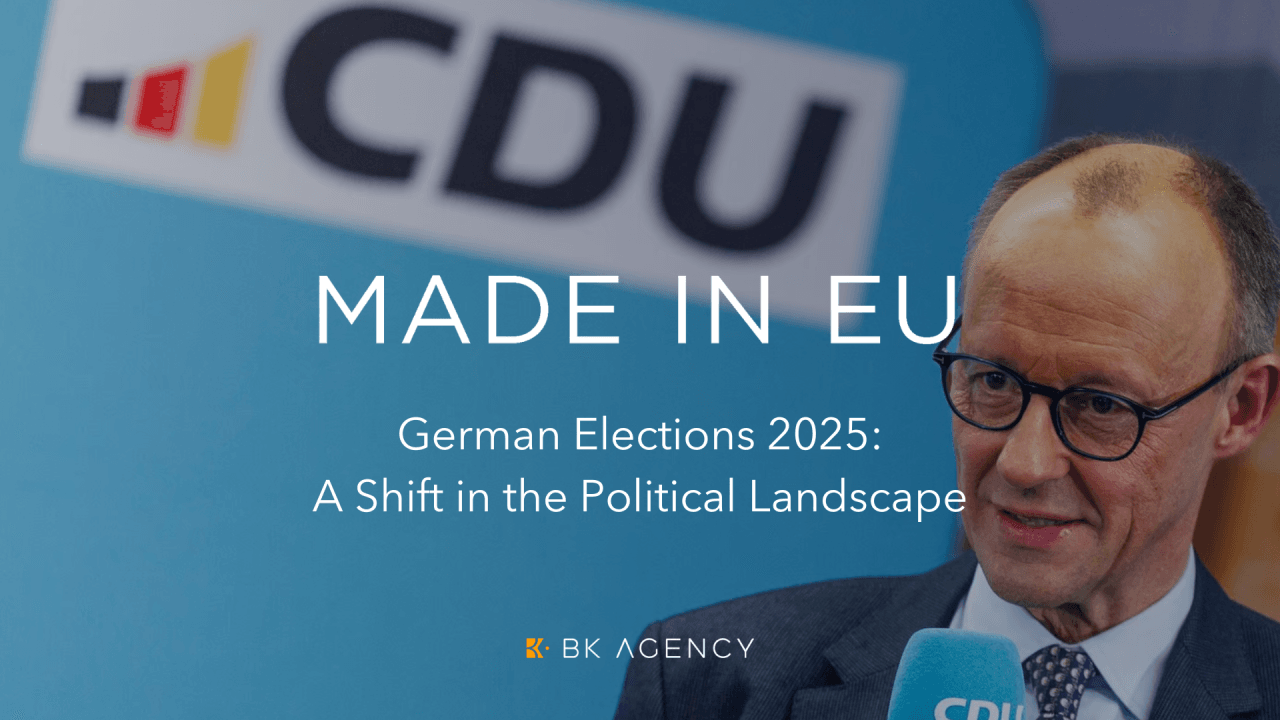
The 2025 federal election in Germany marked a significant shift in the political landscape, with the conservative CDU/CSU alliance emerging as the victor. Despite winning the most votes, the mood at the party’s headquarters was subdued. The conservatives managed to secure about 28% of the vote, which fell short of their campaign goal of “30% plus.” This result, while a victory, means the CDU/CSU will have to form a coalition to govern, as they lack a majority on their own.
The election saw a surge in support for the far-right Alternative for Germany (AfD), which won nearly one in five votes, doubling its support from the last election. Despite this, the CDU/CSU has ruled out partnering with the AfD, citing fundamental differences on issues such as foreign policy and the European Union.
The Social Democrats (SPD), previously in government, suffered their worst defeat since 1890, with only 16% of the vote. Chancellor Olaf Scholz, who will not seek a ministerial role in the new government, acknowledged the devastating result. The Free Democrats (FDP) also faced a significant loss, failing to meet the 5% threshold required for representation in the Bundestag, prompting its leader Christian Lindner to retire from politics.
Meanwhile, the Greens managed to hold their ground, expressing readiness to discuss coalition possibilities with the CDU/CSU. The Left Party, despite challenges, managed to secure over 8% of the vote, marking a comeback after a split earlier in the year.
Economically, Germany is facing its most severe crisis since reunification, with challenges including military spending, infrastructure restoration, and climate transformation. The CDU’s leader, Friedrich Merz, favours economic growth and cost-cutting measures. The CDU aims to take a leadership role in Europe, especially in light of shifting international dynamics and reduced support from the United States under President Trump.
But in order to rebuild the country’s industrial power, of what until recently was called the locomotive of Europe, Germany will need to reconsider its energy policy.
The Need for Nuclear Energy in Germany
Considering the current economic and energy challenges, there is a growing call for Germany to reconsider its stance on nuclear energy. The previous governments (starting from the last Merkel’s government) have bushed for green policies leading to a significant reduction in nuclear energy reliance, a move critiqued by some as leading to deindustrialization. Proponents argue that nuclear energy could provide a reliable and low-carbon alternative to fossil fuels, supporting Germany’s energy independence and environmental goals.
Impact of the War in Ukraine on Coalition Talks
The ongoing conflict in Ukraine has introduced additional complexity to the coalition talks in Germany. The war has highlighted the need for a robust and coordinated European response to geopolitical threats, which has become a contentious topic in forming new alliances. The CDU/CSU is likely to emphasize the importance of reinforcing European unity and security, potentially influencing their choice of coalition partners and affecting the direction of future foreign policy. This situation is further complicated by differing views on military support and sanctions against Russia, which may become key negotiation points in coalition discussions.
CDU Stance on Immigration, a Deal Breaker for the New Government?
The CDU’s stance on immigration remains a critical and often debated aspect of its political agenda. Historically, the CDU has advocated for controlled and regulated immigration policies that align with Germany’s economic needs and social integration capabilities. This approach changed completely in 2014 with the Open border policy of Angela Merkel.
In the 2025 election, the CDU completely changed its stance, emphasising the importance of ensuring that immigration policies are robust enough to attract skilled workers essential for the German economy while maintaining stringent checks and balances to prevent illegal immigration and ensure national security.
The CDU’s leadership, under Friedrich Merz, has reiterated the need for a balanced approach that addresses the demographic challenges of an ageing population by attracting young, skilled immigrants. This approach includes streamlining the process for skilled workers from non-EU countries and enhancing integration programs to facilitate cultural assimilation and economic contribution.
Moreover, the CDU is committed to working within the frameworks of the European Union to address the broader challenges of immigration, including asylum policies and the distribution of refugees across member states. The party advocates for a fair and equitable distribution mechanism that alleviates pressure on frontline states like Italy and Greece while ensuring that humanitarian obligations are met. This is part of a broader strategy to strengthen the EU’s external borders and enhance cooperation with countries of origin and transit to manage migration flows effectively.
Internally, the CDU is also focused on enhancing the integration of immigrants already in Germany, recognizing the importance of education and vocational training programs in helping new arrivals become self-sufficient and integrated members of society. This dual focus on attraction and integration underscores the CDU’s pragmatic approach to immigration, which seeks to balance economic needs with social cohesion and security considerations.
The natural partner for this program was the FPD, which fell short of entering the German parliament for the second time in history. The liberals, were not able to keep their votes, dropping until the 5% threshold from the 10% of a few years ago. A political catastrophe which will have a lot of repercussions inside the party, which until recently, was considered the pro-business party.
The CDU won with a very strong right-wing program, will they be able to make it swallow to the SPD and the Green? Or will CDU create a coalition with the far-right AFD?
As Germany prepares for coalition talks, the pressure is on to form a government swiftly to tackle these pressing issues. The new Bundestag is set to convene by March 25, marking the end of Chancellor Scholz’s term and the start of a new era in German politics and a new beginning for Europe as well.