Executive Summary
Iran is currently navigating its most profound period of domestic instability since the 1979 revolution. This wave of unrest was precipitated by a catastrophic systemic economic failure and the geopolitical repercussions of the “12-Day War” with Israel in mid-2025. What began as localised demonstrations on 28 December 2025 has rapidly transitioned into a comprehensive nationwide insurrection aimed at the total overthrow of the Islamic Republic.
The potential dissolution of the regime represents a “black swan” event with the capacity to reshape the global order. Such a collapse would pose an existential threat to Iran’s closest partners – Russia, China, and North Korea – while dismantling the financial and logistical infrastructure of Iran’s global terror networks.
Background and Situational Analysis
Drivers of Unrest. Scope and Trajectory
The immediate catalyst was the total disintegration of the Iranian rial, which plummeted to approximately 1.45 million against the US dollar by late December 2025. This hyper-devaluation erased the purchasing power of the middle class and bazaar merchants. This fiscal collapse followed the military humiliation of the “12-Day War” in June 2025, which exposed the regime’s military limitations. The subsequent re-imposition of UN “snapback” sanctions and the US “Maximum Pressure 2.0” doctrine have further deprived the state of its remaining fiscal reserves.
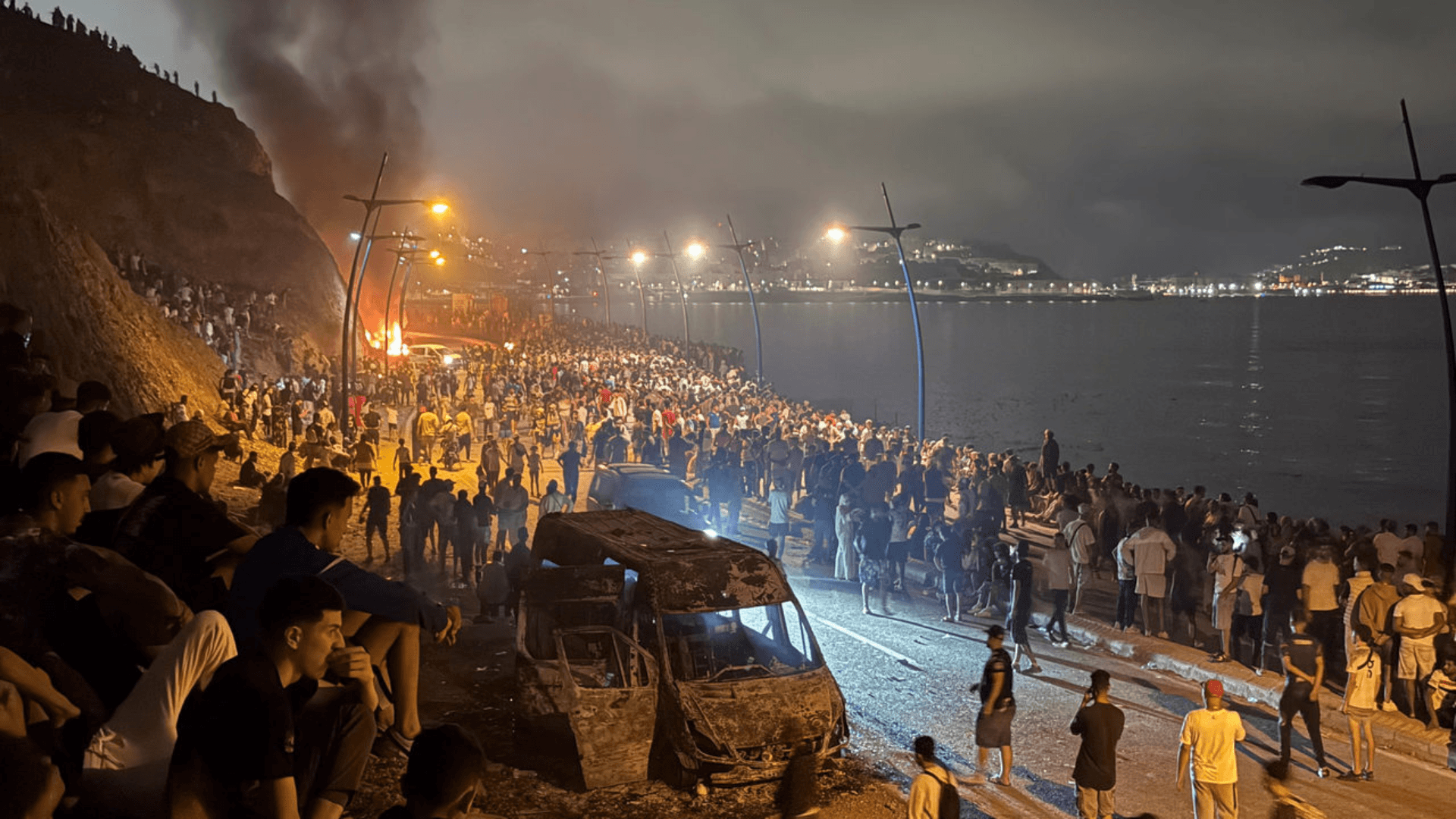
Protests have been recorded in all 31 provinces, with major flashpoints in Tehran, Mashhad, Isfahan, and the Kurdish regions. Unlike previous movements, this insurrection is characterised by direct, violent confrontation. Protesters are using Molotov cocktails and attacking government installations. Intelligence suggests that regime control in parts of Mashhad, the nation’s second-largest city, has been fundamentally compromised.
Geopolitical Implications of Regime Collapse
Strategic Defeat for Russia
The collapse of the Islamic Republic would be a catastrophic setback for the Russian Federation. Tehran has been Moscow’s primary supplier of Shahed drones and artillery shells for the war in Ukraine. A successor government would likely terminate these military exports to secure sanctions relief, leaving a critical gap in Russia’s strike capabilities. Furthermore, losing Iran as a sanctions-evasion hub would leave Moscow diplomatically isolated and over-dependent on Beijing.
China Braces for Energy Insecurity
Beijing faces a crisis as it relies on Iran for roughly 90 per cent of its crude oil exports. The fall of the regime would force a recalibration of China’s Middle East strategy. While transition might eventually stabilise, the immediate period would likely involve strikes and sabotage by loyalists, spiking global oil prices. Additionally, the 25-year strategic cooperation agreement would likely benullified, depriving Beijing of a key logistical node in the Persian Gulf.
Dismantling the “Axis of Resistance”
Tehran is the central bank and armourer for Hezbollah, the Houthis, and militias in Iraq and Syria. Its collapse would effectively “cut off the head of the snake.” Without Iranian funding and Quds Force coordination, these groups would face existential crises. The Houthis would lose the advanced missiles used to threaten Red Sea shipping, likely leading to a de-escalation of regional conflicts as proxies lose the capacity for high-intensity warfare.
North Korea and Proliferation Risks
Tehran and Pyongyang maintain clandestine partnerships on ballistic missile and nuclear technology. A regime collapse could provide a “gold mine” of intelligence for Western agencies, potentially compromising North Korea’s strategic programmes. Economically, the loss of Iran as a cash-paying customer for military tech would further squeeze the Kim administration.
Global Energy Markets
A neutral, non-sanctioned Iran could fundamentally alter European energy security. Holding the world’s second-largest gas reserves, Iran could serve as a viable alternative to Russian gas. Post-regime production spikes would provide downward pressure on oil prices, benefiting Western consumers but potentially straining the budgets of other Gulf states and OPEC+ dynamics. A stable, non-sanctioned Tehran could become a primary supplier via the Southern Gas Corridor, providing the “bridge fuel” necessary for the EU to meet its 2030 climate targets. This transition would facilitate the lifting of the 2025 “snapback” embargoes and the reopening of trade in machinery, pharmaceuticals, and automotive parts – sectors where European firms, particularly German and French, held dominant market shares prior to 2018.
Implications for the European Union
The potential collapse of the Islamic Republic presents the European Union with a high-stakes transition from “critical engagement” to a paradigm of rapid crisis management and strategic opportunity.
Migration and Regional Stability
The EU’s primary security concern is the “Syria Model” of fragmentation. A prolonged civil war or balkanisation would likely trigger a massive humanitarian crisis, driving millions of refugees towards Europe via the Balkan and Mediterranean routes. Given the rise of populist movements across the Continent in early 2026, such a surge could destabilise the internal politics of member states, incentivising Brussels to support a managed, institutional transition over a chaotic vacuum.
Maritime Safety and Counter-Terrorism
The dismantling of Iranian-backed proxies would secure the Suez Canal-Red Sea route, a critical artery for 12 per cent of global trade. Ending Houthi maritime attacks would remove the “insurance premium” currently hampering European logistics. Furthermore, the removal of the IRGC would likely terminate state-sponsored plots against dissidents and Jewish sites within the EU, significantly lowering the domestic threat level and allowing for the restoration of normalised diplomatic and financial channels.
The Final Nuclear Settlement
The fall of the current leadership would resolve the EU’s greatest proliferation nightmare. With Iran having reached near-weapons grade enrichment by late 2025, a new administration would likely mothball the military nuclear programme in exchange for the lifting of primary financial sanctions. This would allow the EU to shift its focus from containment to regional economic integration, potentially spearheading a comprehensive “Cooperation Agreement” to facilitate investment without the legal complexities of the defunct JCPOA.
Scenarios for Post-Regime Governance
B&K Agency anticipates that the vacuum left by a potential collapse would likely be contested by several competing models:
- The Syria Model (Balkanisation): The state loses power beyond the capital, leading to “Syrianisation.” Residual IRGC elements might hold fortified pockets while peripheral regions (Kurdish, Azeri, Baluchi) seek autonomy. This would turn Iran into a theatre of permanent proxy warfare.
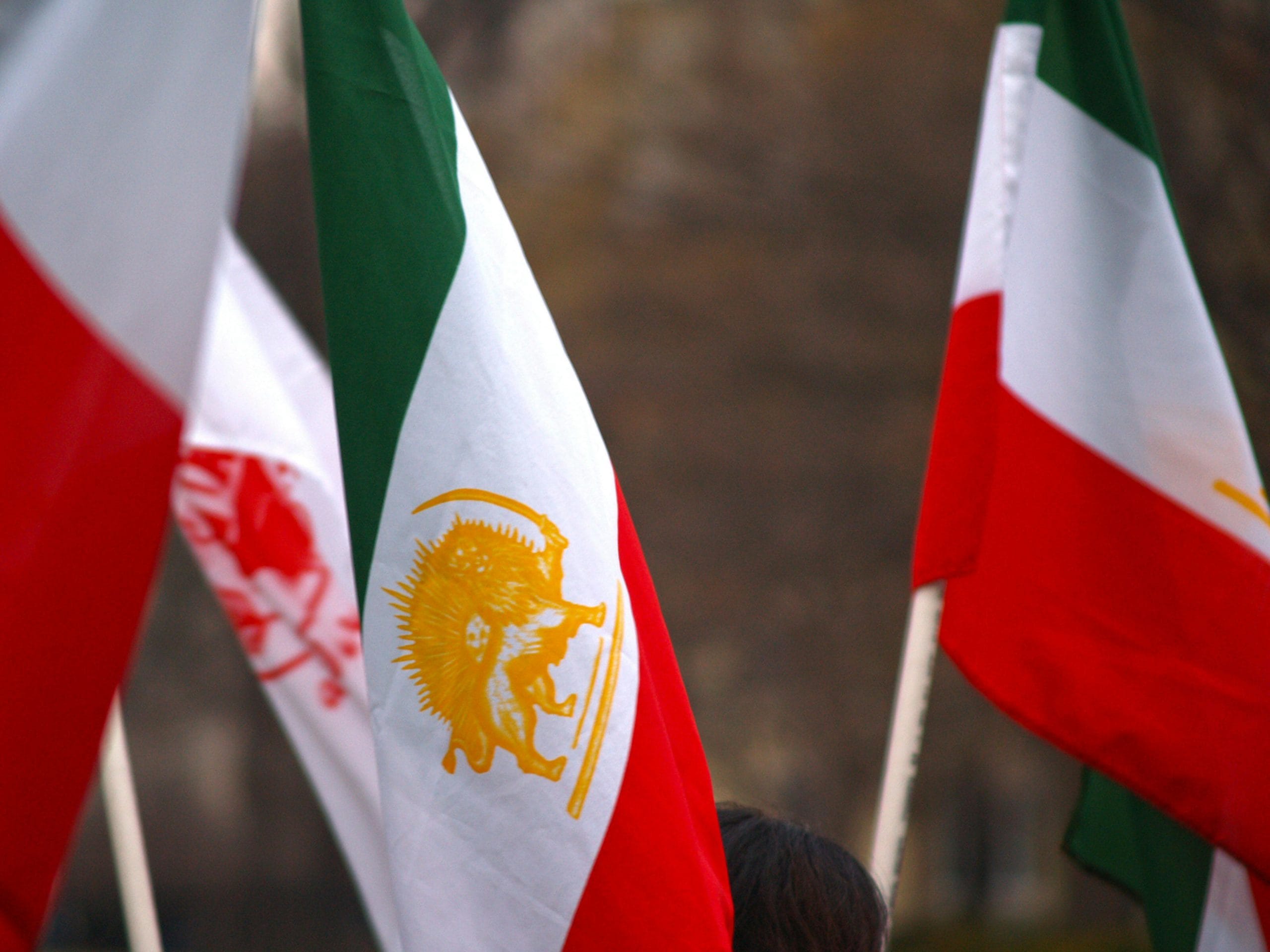
- Restoration of the Pahlavi Dynasty: Nostalgia for pre-1979 modernisation has positioned Crown Prince Reza Pahlavi as a powerful symbol of national unity for many protesters. While his return could provide the stability needed to prevent state collapse, a full restoration of the monarchy may not be universally accepted. Various republican factions and ethnic minority groups might remain wary of a return to centralised power.
- Constitutional Monarchy: A “Spanish Transition” model where the Shah is a symbolic “secular bridge” while an elected parliament holds executive power. This is the most palatable scenario for the West, providing stability through a national referendum on the form of government.
- Pragmatic Military Autocracy: The IRGC might discard the theocratic “veneer” for a secular, nationalist military dictatorship. While potentially socially liberal compared to the current regime, it would maintain the IRGC’s economic grip and a nationalist foreign policy.
Conclusion
The dissolution of the Islamic Republic would be a geopolitical earthquake, severing the link between revisionist Eastern powers and Middle Eastern instability. Despite the risks of civil strife and market volatility, removing the world’s leading state sponsor of terror would fundamentally improve global security architecture.