Transatlantic Trade Wars and the Tariff Shock
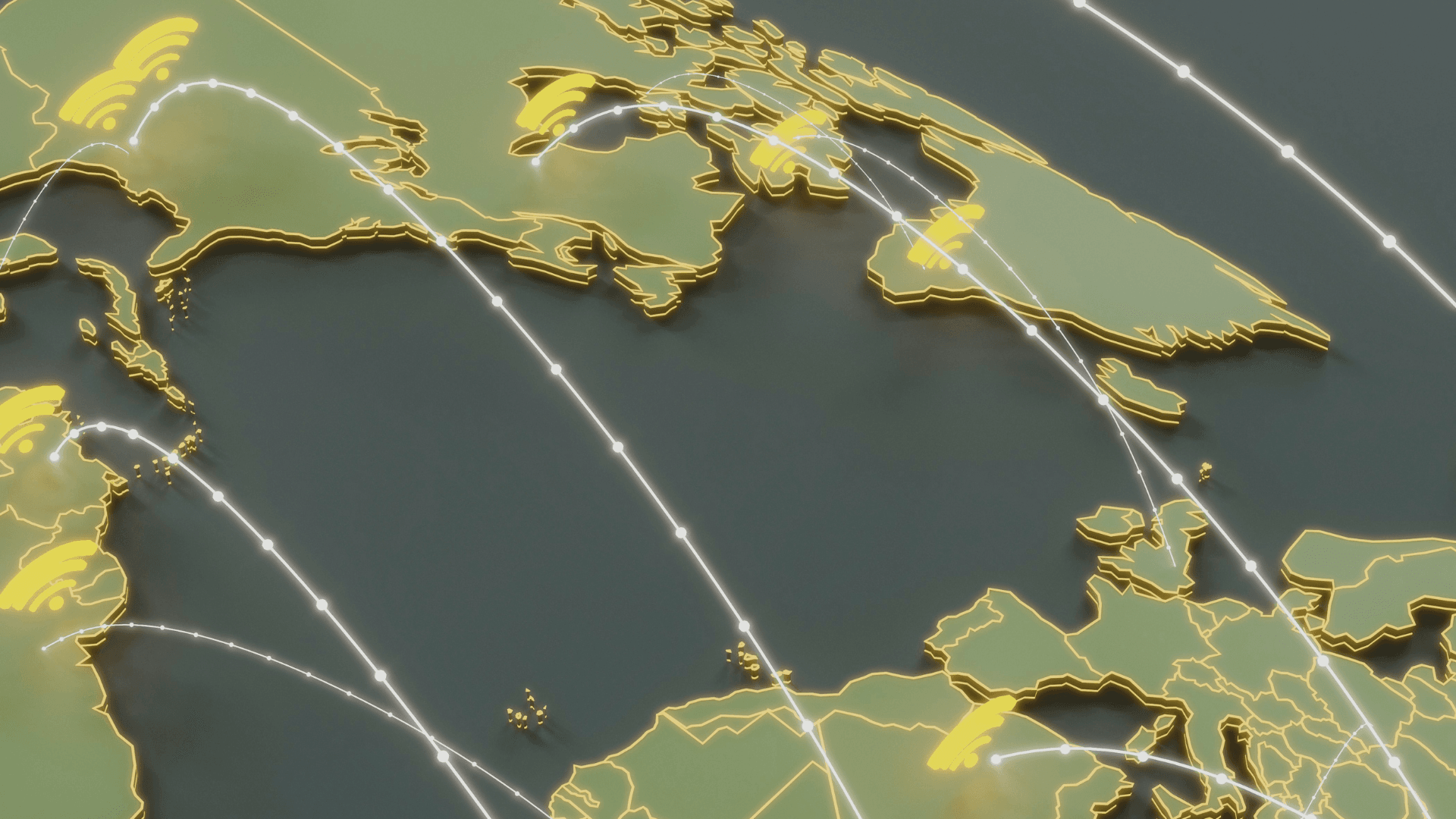
Beyond security, 2026 is projected to be a year of intense geoeconomic friction. Global economic forecasts indicate that growth in 2025 may have been “front-loaded” as businesses raced to export goods before anticipated US tariff hikes take effect in 2026. This reflects the broader fragmentation of the global trade system, where, as “different political systems or values won’t preclude cooperation on mutual interests” but trade is increasingly subordinated to geopolitical objectives.
The “Universal Baseline Tariff”:
If the US administration implements a universal baseline tariff (e.g., 10%) or targeted tariffs against EU autos and steel, the EU faces a “double shock”:
- Direct Market Loss: Reduced access to the US export market, which is vital for the German automotive and French luxury sectors.
- Indirect Dumping: Increased competition from Chinese goods that are diverted away from the US market and “dumped” into Europe.
Economic Impact:
A full-scale trade war could shave 0.5% to 1.0% off Eurozone GDP in 2026, pushing fragile economies like Germany back into recession. However, recent developments suggest partial de-escalation: as of November 2025, the US reduced the “fentanyl” tariff from 20% to 10% on Chinese goods and suspended additional 24% retaliatory tariffs. This fragile truce, however, remains temporary, with underlying tensions persisting “especially around technology and critical minerals”.
Impact on Europe
The transatlantic trade environment in 2026 will be characterised by unpredictability and protectionism. European exporters will face a bifurcated market: restricted access to the US paired with intensified competition from Chinese goods. This will necessitate a strategic pivot toward intra-EU trade and partnerships with non-aligned economies like India and ASEAN nations.
Read the full B&K Agency Global Outlook for 2026: