Diversification: EU-India and ASEAN
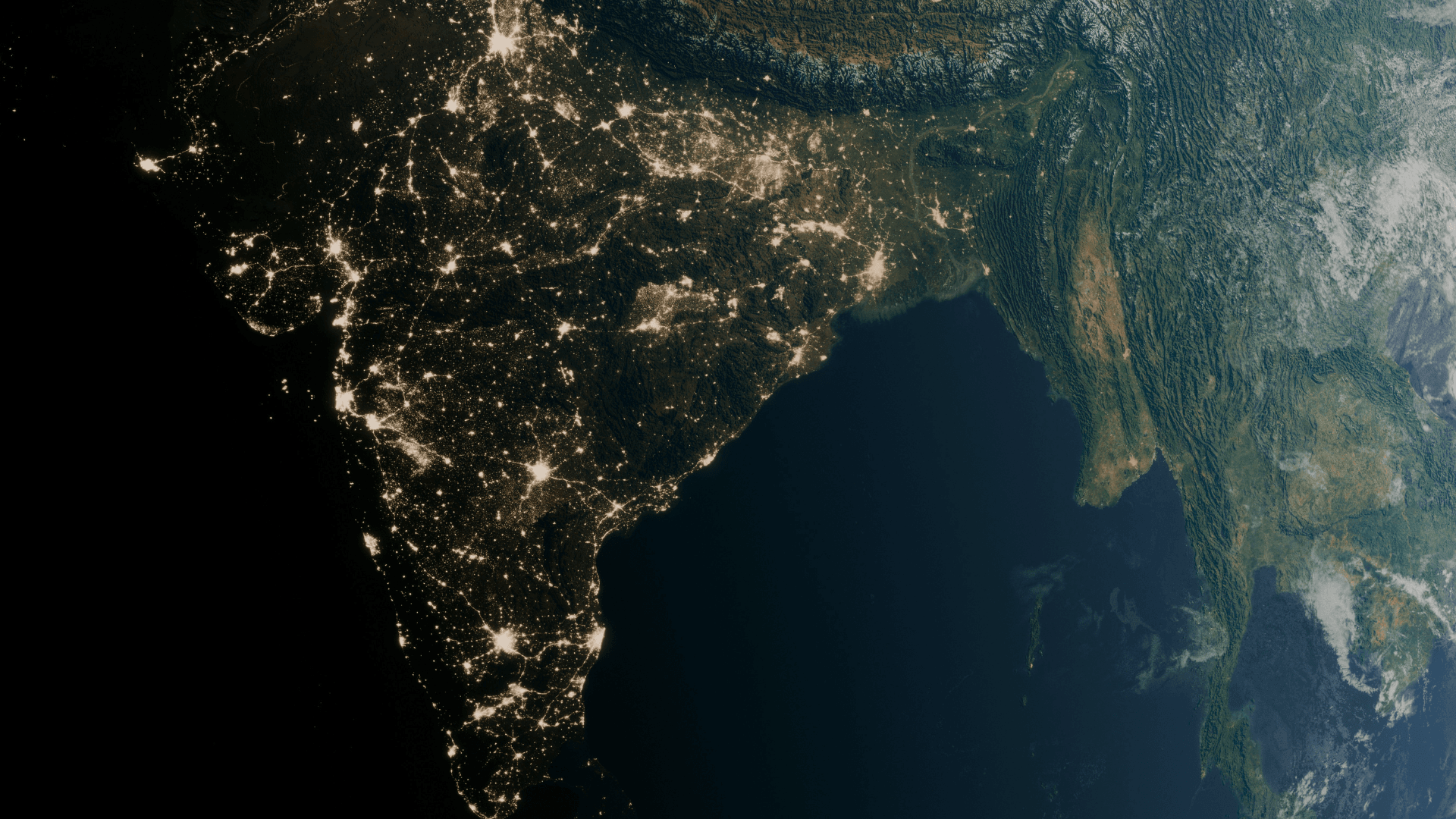
To mitigate the China risk, 2026 will be a pivotal year for the EU’s diversification strategy. However, this will be complicated by India’s own geopolitical positioning and evolving relationship with Russia.
India-Russia Strengthening Ties: The December 2025 Summit
A critical development reshaping the Indo-Pacific strategic landscape is the strengthening of India-Russia relations, exemplified by Putin’s December 4-5, 2025 summit visit to New Delhi – the 23rd India-Russia Annual Summit. This summit occurs under intense pressure, as the US Trump administration has imposed 50% tariffs on Indian imports and additional penalties on energy trade to curb India’s engagement with Russia.
Strategic Significance:
India’s stance represents a critical test of strategic autonomy in the Global South. By hosting Putin despite US pressure, New Delhi signals its refusal to align fully with Western sanctions while maintaining its “Special and Privileged Strategic Partnership” with Moscow. The summit agenda includes:
- Accelerating S-400 Triumf air defense system deliveries (of five contracted units, only three have been delivered, with two scheduled for 2026 and 2027)
- Potential co-production of Su-57 stealth fighter jets
- Formalising a roadmap for $100 billion in bilateral trade by 2030, up from nearly $70 billion in FY 2024-25
- Integrating RuPay and Mir payment systems to bypass Western banking sanctions
- Securing long-term non-sanctioned oil contracts (Russian crude has jumped from 2% to 39% of India’s total oil imports since the Ukraine invasion).
India’s Balancing Act:
India maintains a principle of strategic autonomy – the refusal to join any single power bloc. While diversifying arms purchases with France and Israel, India views Russia as a “time-tested partner” essential for balancing power dynamics in Asia and preventing Russia from becoming a “junior partner” to Beijing.
India remains wary of the “no limits” partnership between Russia and China, with a key imperative being ensuring Russia remains neutral in potential Sino-Indian border conflicts.
Implications for Europe:
The strengthening of India-Russia ties complicates the EU’s strategy of pivoting toward India as a counterweight to China. While India remains open to deeper EU engagement – particularly on critical raw materials and technology – New Delhi’s pragmatic neutrality and defense partnership with Russia suggest that India will not serve as a fully aligned European partner.
The EU must therefore pursue “friend-shoring” opportunities with India on a transactional basis, recognising that India prioritises strategic autonomy over bloc alignment.
India as Pivot Power
According to the Centre for European Reform, India emerges as a critical “swing country” in the multipolar order of 2026. The CER forecasts that India’s economy will be much larger than any individual European country by 2026, positioning it as a central player in any realignment of global power. However, as the India-Russia summit demonstrates, India will pursue its own interests rather than serve as a proxy for European or Western interests. The EU’s challenge is to offer India compelling value propositions – access to markets, technology transfer, and capital – that align with India’s strategic interests without demanding ideological alignment.
EU-India Partnerships
The EU will seek to deepen cooperation on critical raw materials (particularly lithium and cobalt) and digital technology with India. However, concerns over democratic backsliding and human rights in India may complicate the ratification of a deep trade deal. The EU will likely pursue sectoral partnerships in areas like renewable energy, semiconductor manufacturing, and pharmaceutical supply chains, recognising that comprehensive strategic alignment is unlikely in the near term.
ASEAN Diversification
The EU will increase economic-security partnerships with ASEAN nations, focusing on “friend-shoring” manufacturing capacity. This supports the forecast of steady 4-5% growth in the Asia-Pacific (ex-China) region, offering a lifeboat for EU exporters. The EU’s “Pacific Step-up” strategy will emphasise maritime security cooperation, infrastructure development, and technology partnerships with ASEAN nations as a counterweight to Chinese influence.
Impact on Europe
The EU’s diversification strategy toward India and ASEAN will remain constrained by the reality that these nations prioritise their own strategic autonomy over bloc alignment. India’s strengthening ties with Russia further complicate European efforts to construct an “anti-China coalition.” The EU’s best approach is to pursue pragmatic, sectoral partnerships that offer mutual benefit rather than seeking ideological alignment or automatic support in great-power competition.
Read the full B&K Agency Global Outlook for 2026: