Middle East: The Iran Nuclear Sunset and Geopolitical Fragmentation
The year 2026 marks a critical “sunset” phase for the JCPOA and UN Resolution 2231. Key international restrictions on Iran’s nuclear program (enrichment levels, centrifuge R&D) are set to expire in late 2025 and 2026.
Proliferation Crisis:
This regulatory vacuum leaves the EU with limited diplomatic leverage. If Tehran chooses to “sprint” toward a nuclear weapon capability in 2026, the EU faces a proliferation crisis on its periphery. This would almost certainly trigger a regional arms race (involving Saudi Arabia and Turkey) and heighten the risk of an Israeli preemptive strike.
Energy Implication:
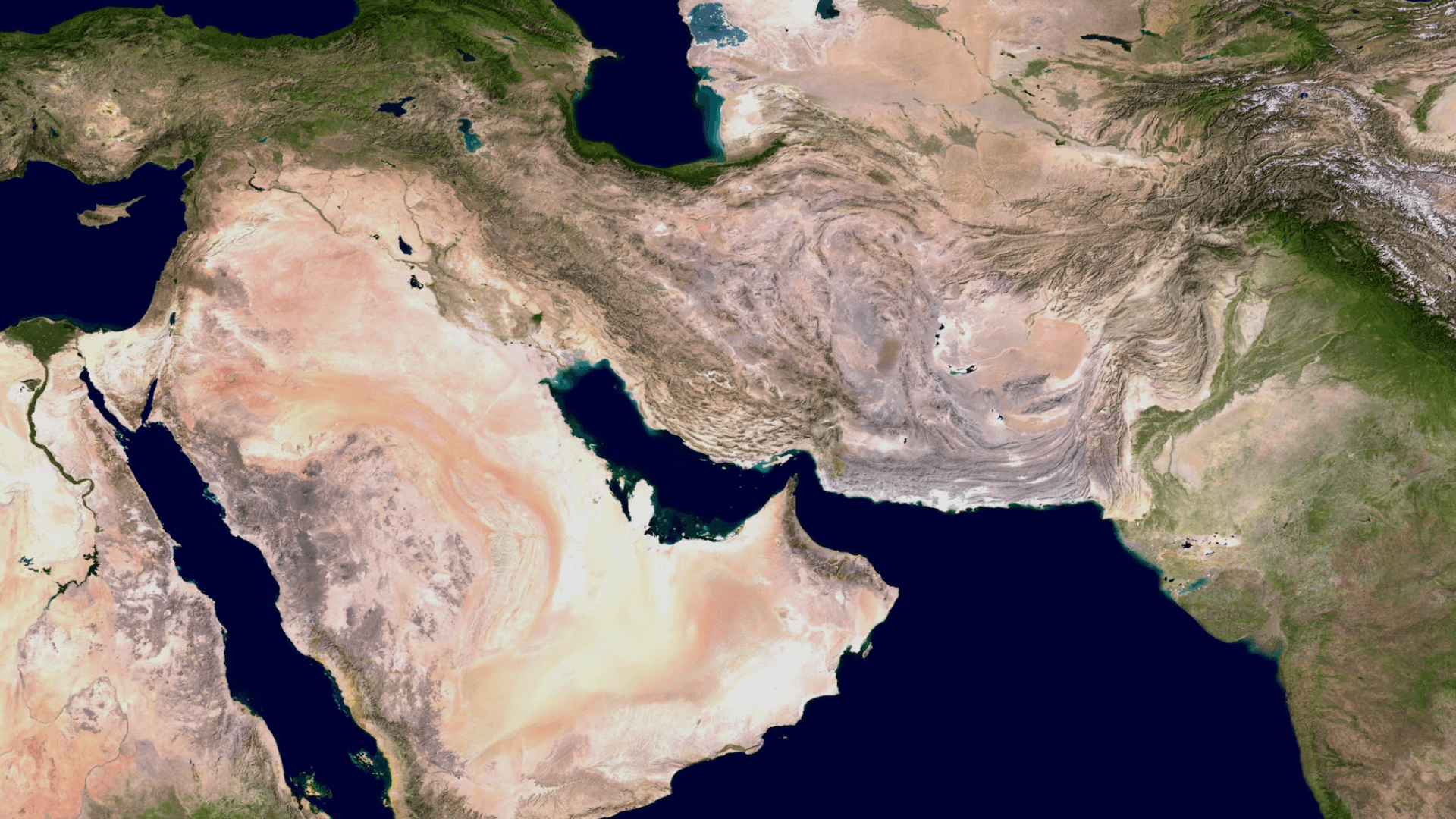
Tension in the Persian Gulf threatens the Strait of Hormuz, a vital artery for LNG. Any disruption here would be catastrophic for an EU that has just weaned itself off Russian gas, causing an immediate spike in electricity prices across the continent.
Impact on Europe
Iran’s nuclear trajectory in 2026 will define the region’s stability and energy security. A crisis would force the EU to choose between supporting US-led containment efforts and pursuing independent diplomatic channels with Tehran.
The Abraham Accords and Regional Realignment
The Abraham Accords, signed in 2020 between Israel and several Arab nations (UAE, Bahrain, Morocco, and Sudan), remain a central pillar of Middle Eastern statecraft in 2026. However, their trajectory is uncertain given regional instability and Palestinian concerns.
Expansion Possibilities:
Throughout 2026, the Trump administration has sought to expand the Accords to include Syria, Lebanon, Saudi Arabia, and Kazakhstan, with the latter having agreed to join. Saudi Arabia’s potential inclusion would represent a transformative development, as Riyadh remains the most influential Arab nation and its normalisation with Israel would reshape the regional order.
Conditional Participation:
However, both Saudi Arabia and the UAE have set strict preconditions for deepening involvement: a stable and lasting ceasefire in Gaza, gradual Israeli withdrawal, disarmament of Hamas, and transfer of authority to the Palestinian Authority (PA) or another internationally legitimate body.
Impact on Europe
The trajectory of the Abraham Accords in 2026 will determine the EU’s diplomatic role in Middle Eastern statecraft. An expanded and deepened Accords framework could marginalise the EU, as US-mediated agreements take precedence. Conversely, if tensions within the Accords emerge (particularly over Palestinian issues), the EU could position itself as an alternative mediator emphasising a comprehensive Middle East peace process.
Gaza Reconstruction and Regional Dynamics
Gaza’s reconstruction remains one of the most contentious issues in 2026. The region faces a binary choice between reconstruction led by Saudi Arabia and the UAE (conditional on Hamas disarmament and PA control) versus reconstruction led by Qatar and Turkey (while preserving Hamas’s role).
Key Reconstruction Scenarios:
- Involvement of All Key Actors (Likely): If Israel agrees to Saudi and Emirati conditions of restoring PA control over the Strip and committing to a two-state solution, Riyadh and Abu Dhabi would agree to help rebuild Gaza with funding and de-radicalisation expertise.
- Stalemate (Possible): Israel continues to reject Saudi and Emirati conditions while resisting US pressure to advance reconstruction without demilitarisation. Gaza remains without a viable path to recovery, persisting as a humanitarian and security burden entirely on Israel’s shoulders.
Financial Burden:
The EU, while expressing humanitarian concern, will likely play a limited financial role in providing for the estimated $70 billion reconstruction estimate for Gaza, given budget constraints and the primacy of US-led initiatives in Gaza’s political future.
Impact on Europe
Gaza’s reconstruction trajectory will shape humanitarian migration patterns and determine whether European aid resources are drawn into a multilateral reconstruction effort. Limited EU financial involvement suggests that European humanitarian responsibilities will be confined to UNRWA support and EU contribution to international trust funds rather than direct reconstruction investment.
Read the full B&K Agency Global Outlook for 2026: