Earlier today, the EU institutions finalised the text of the AI Omnibus deal. The AI Omnibus was meant to simplify the rules for smaller companies imposed by the AI Act. The idea behind the simplification is to increase competitiveness by removing the “double regulation” (a situation where a company needs to fill in the same paperwork under two different acts) that was previously present in sectors such as machinery and manufacturing. By extending compliance deadlines to 2027 and 2028 for high-risk AI systems – those posing threats to health, safety, or fundamental rights of users – the EU is providing additional time for businesses to adapt to new standards.
One shift towards lowering the regulatory burden on companies is the introduction of a safety net for small mid-cap companies, defined as enterprises bigger than SMEs, but smaller than large corporations. The Omnibus extends several benefits previously reserved for SMEs. For instance, small mid-caps will pay reduced compliance fees, together with having priority access to regulatory sandboxes. The sandboxes are regulated environments supervised by national authorities where the developers can test their AI models. These measures are projected to reduce the administrative burden by 35% for smaller companies.
Despite the focus on efficiency, the deal also includes banning the apps that allow users to make non-consensual explicit deepfakes – so called “nudifiers” – as well as mandatory technical watermarking for all AI-generated media by December 2026.
For those interested in understanding the implications of AI Omnibus and Digital Omnibus for business, read B&K Agency’s Regulatory Horizon Report. The report offers a dive into the current regulatory shifts across defence, biotech, energy, and more.
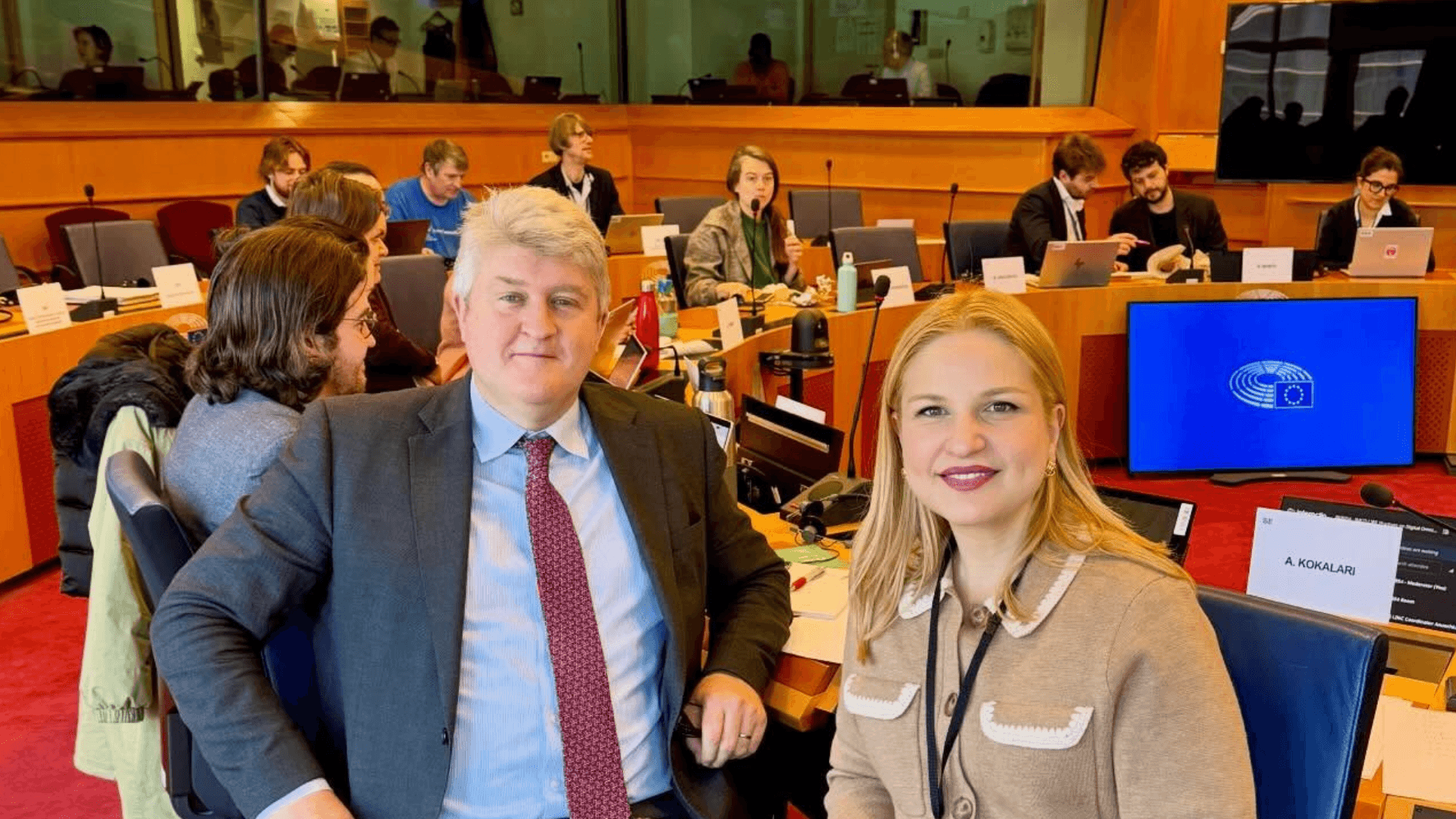
Image source: Official Instagram account of MEP Arba Kokalari