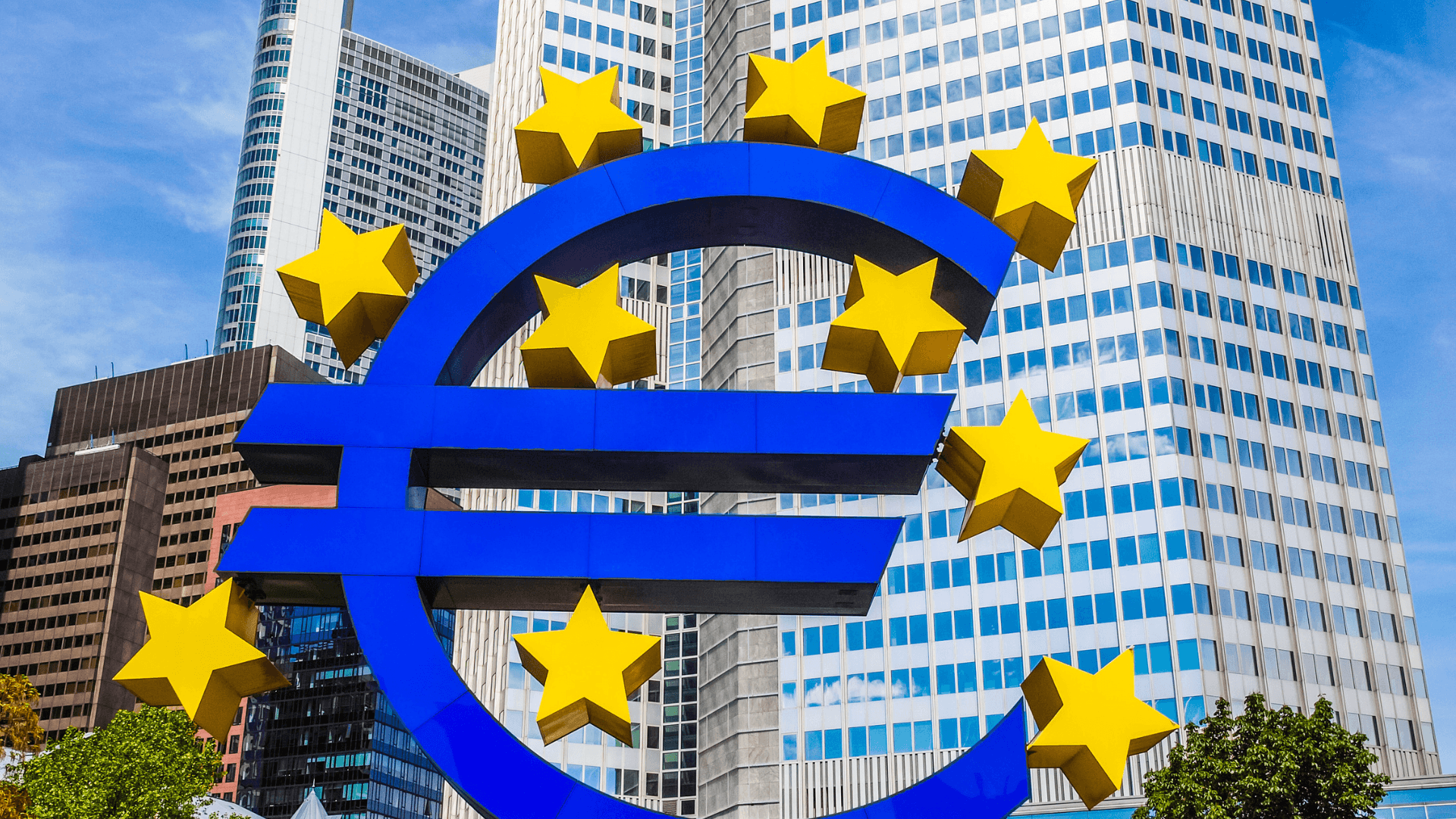
The Eurozone is the name for the countries that use euros as the official currency, and it is very similar to a massive group project on European monetary policy. Before you let someone join the team, you’d want to make sure they’re working at the same pace and are following the same rules. In the world of international finance, those rules are called the convergence criteria.
These criteria have been established by the Maastricht Treaty back in 1993. These are a set of five macroeconomic fitness tests a country must pass in order to be able to adopt the Euro. They cover inflation, GDP growth, government debt, interest rates, and exchange rate stability. The goal is to ensure that a country’s economy is converging (as in moving in sync) with the rest of the bloc before they start sharing a single currency.
These numbers aren’t arbitrarily determined. The criteria are designed to protect the whole Eurozone. In a currency union, one country’s high inflation or huge debt doesn’t stay local, on the contrary, it creates ripples that affect every other member. The criteria act as a safeguard that makes sure sharing a currency doesn’t lead to sharing a crisis. It is essential to create the atmosphere of trust in order for the union to work properly.
These rules provide the predictable framework that businesses and investors rely on. They make sure that the country is in a unified, stable economic zone. However, for countries that adopt the euro, most recently Bulgaria or Croatia, one of the biggest concerns during this transition is the risk of short-term inflation. There’s a persistent fear that the moment the Euro arrives, prices of consumer goods will skyrocket. While it’s true that some retailers might round up prices, for example, turning a coffee that was 95 cents into one euro, the actual data from previous adoptions shows the overall impact is usually not that severe, often less than 0.3%. The real challenge is the gap between statistics and perceived inflation. People tend to notice the price of a product or a service going up much more than they notice a slight dip in their monthly utility bills or electronics. For a government, managing its PR for this psychological shift is often a bigger issue than managing the economic criteria itself.
Convergence criteria might sound like a technicality, but it’s actually the foundation of European integration. It’s the proof that in a complex economy, staying on the same page is a strategic necessity. It is important to understand why they exist and what are the consequences of joining Europe’s monetary union, so your business can adapt to the new circumstances as soon as they appear.