In this week’s newsletter, we take a look at the United Nations General Assembly dedicated to the organisation’s 80th anniversary – a historic event where eight European countries recognised Palestine as a state, and where Indonesia recognised Israel’s right to defend itself. Enjoy!
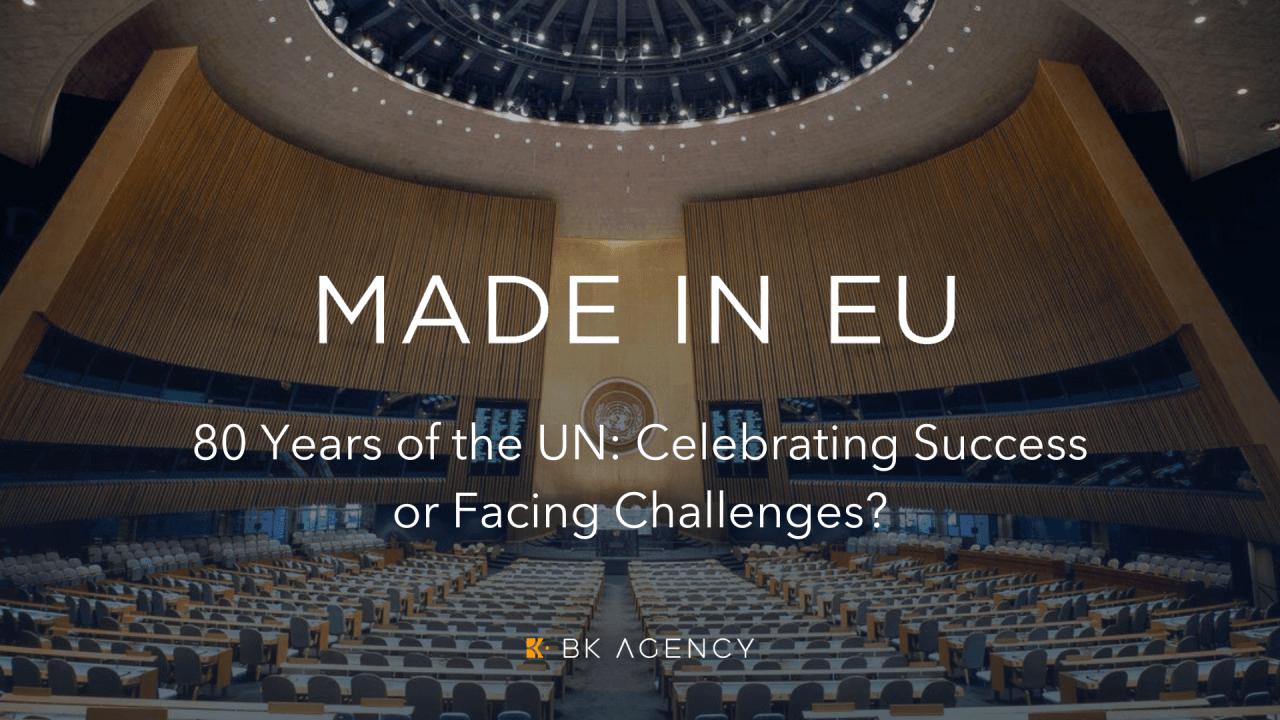
80 Years of the UN: Celebrating Success or Facing Challenges?
On Tuesday, 23 September 2025, the United Nations marked its 80th anniversary. Since its founding in 1945, the organisation has served as the central forum for diplomacy, peacekeeping and humanitarian action, facilitating conflict negotiations, coordinating crisis aid and setting global standards on human rights and development. Yet, as it enters its ninth decade, its relevance and effectiveness are under increasing scrutiny, a debate that has come to the forefront during this week’s UN General Assembly.
A particularly controversial development this week has been the UN’s recognition of Syria’s president, Ahmad al-Sharaa. Once the leader of Hayat Tahrir al-Sham, a group previously designated as a terrorist organisation by both the United States and the UN, al-Sharaa’s elevation to the international stage has sparked debate about the UN’s role in balancing engagement with legitimacy. Many human rights organisations argue that this decision risks undermining the UN’s credibility, while supporters maintain that pragmatic engagement with all parties is necessary to foster long-term conflict resolution.
During the 80th UN General Assembly, many heads of state took the floor, showing division not only in the UN, but also in the Western world. Under the initiative of French President Macron, several member states – including France, Belgium, Luxembourg, Malta, Andorra, the United Kingdom, Canada, Australia and Portugal – formally recognised Palestine during their speeches, reaffirming their support for the creation of Palestinian statehood. On the other hand, the president of the largest Muslim country in the world, Indonesia, emphasised Israel’s right to defend itself.
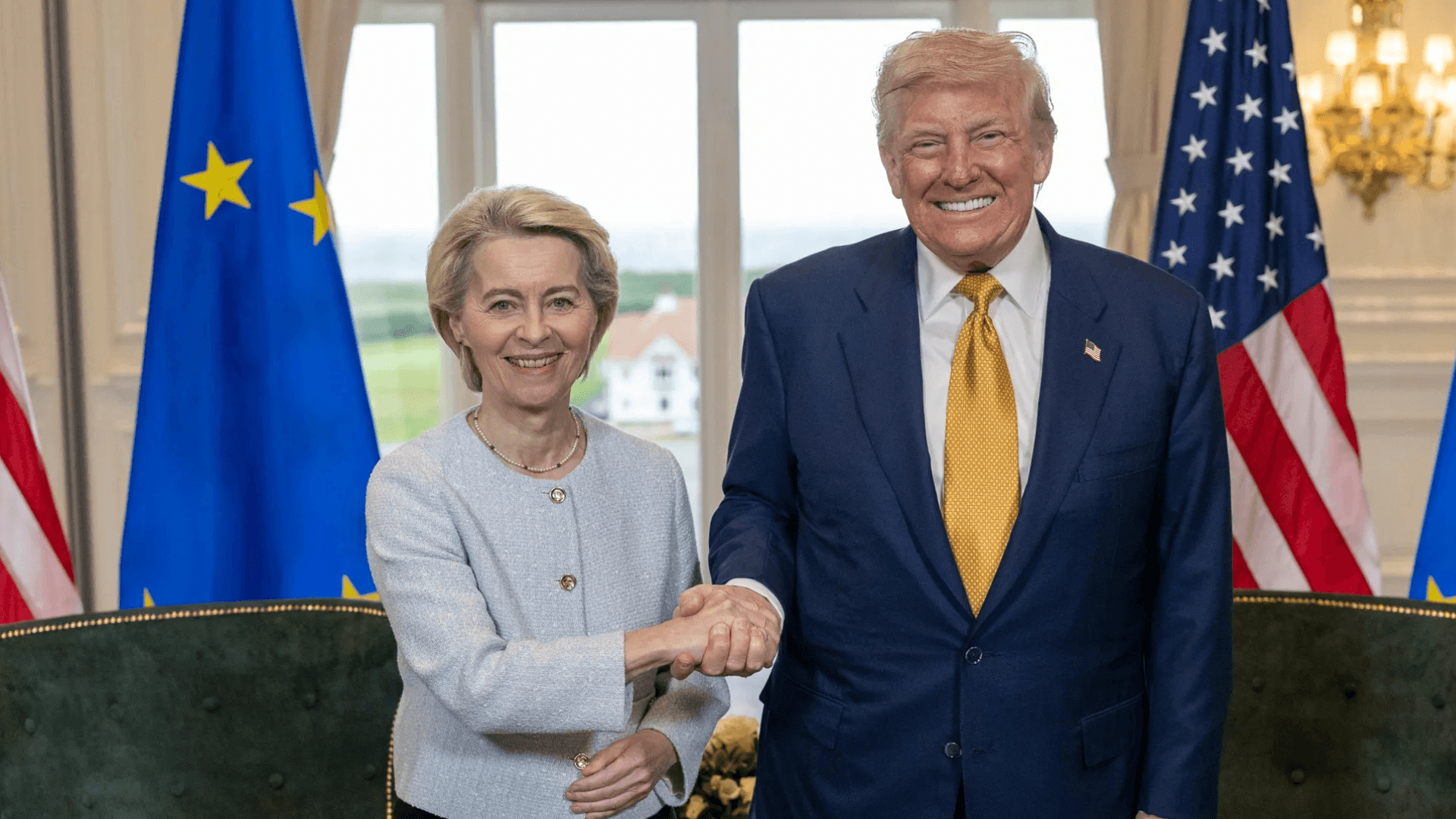
One of the longest and most discussed speeches at the General Assembly was given by the United States President Donald Trump.
In his speech, the US President officially declared that the country supports the Ukrainian goal to get back their entire territories from Russia, showing the only real spark of unity during this UNGA, where almost the entire assembly sided with Ukraine. But President Trump used the Ukrainian example to give sharp critique to the United Nations. Addressing the General Assembly, he described the organisation as inefficient and unable to respond effectively to global challenges. In the press conferences that followed the President’s speech, Secretary of State Marco Rubio echoed these concerns, suggesting that the UN’s decision-making structures are outdated and often slow to act, particularly in crises such as the situation in Syria, the hostages held in Gaza by Hamas, and Ukraine. Their comments have reignited the debate about whether the UN, in its current form, can adapt to the political complexities of a multipolar world or whether structural reforms are urgently needed. Secretary Rubio also underscored another important challenge, the paralysis of the Security Council. The use of veto power by permanent members, especially Russia and China, has repeatedly blocked decisive action in critical conflicts, such as Ukraine and, for the past decade, Syria. Over the past ten years, the number of wars and violent conflicts that have erupted or escalated has outpaced the UN’s ability to prevent them, raising serious questions about the organisation’s capacity to fulfil its core mission of maintaining international peace and security.
Adding to the concerns about governance and credibility, authoritarian regimes have increasingly taken on leadership roles within UN human rights councils. Just in the past few years, Iran was appointed as the Chair-Rapporteur of the UN Human Rights Council Social Forum in 2023, focusing on “the contribution of science, technology, and innovation to promoting human rights, including in the context of post-pandemic recovery”. Similarly, Qatar has held significant positions within the UN Human Rights Council, including chairing the Legal Committee during the UNGA session. These appointments have demonstrated that the current structures of the United Nations can be exploited by non-democratic countries to gain international recognition, thereby raising profound questions about the UN’s capacity to fulfill its founding objectives. While its principles of peace, security, and human rights remain paramount, the organisation’s processes are plagued by delays and political compromises.
As the UN looks to the future, the question is clear: can it respond effectively to today’s geopolitical challenges while preserving its legitimacy as the world’s primary forum for international cooperation? Its track record shows resilience and significant achievements, but in the 21st century the world is changing fast, and the UN’s current structure is based on the geopolitical structure from the Cold War, so if it wants to keep its relevance, it needs to reform itself, and fast.