In this week’s newsletter, we look at the censure vote against the EU Commission, Trump’s possible 50% EU tariffs set to be introduced 9 July, and the return of border checks in Poland. Enjoy!
VDL vs the motion of censure
Usually, the last plenary session of the European Parliament before the summer break is supposed to be a light one, with most of the people working in and with the Parliament looking forward to being on a well-deserved break. But not this year.
This week is, to say the least, troubled.
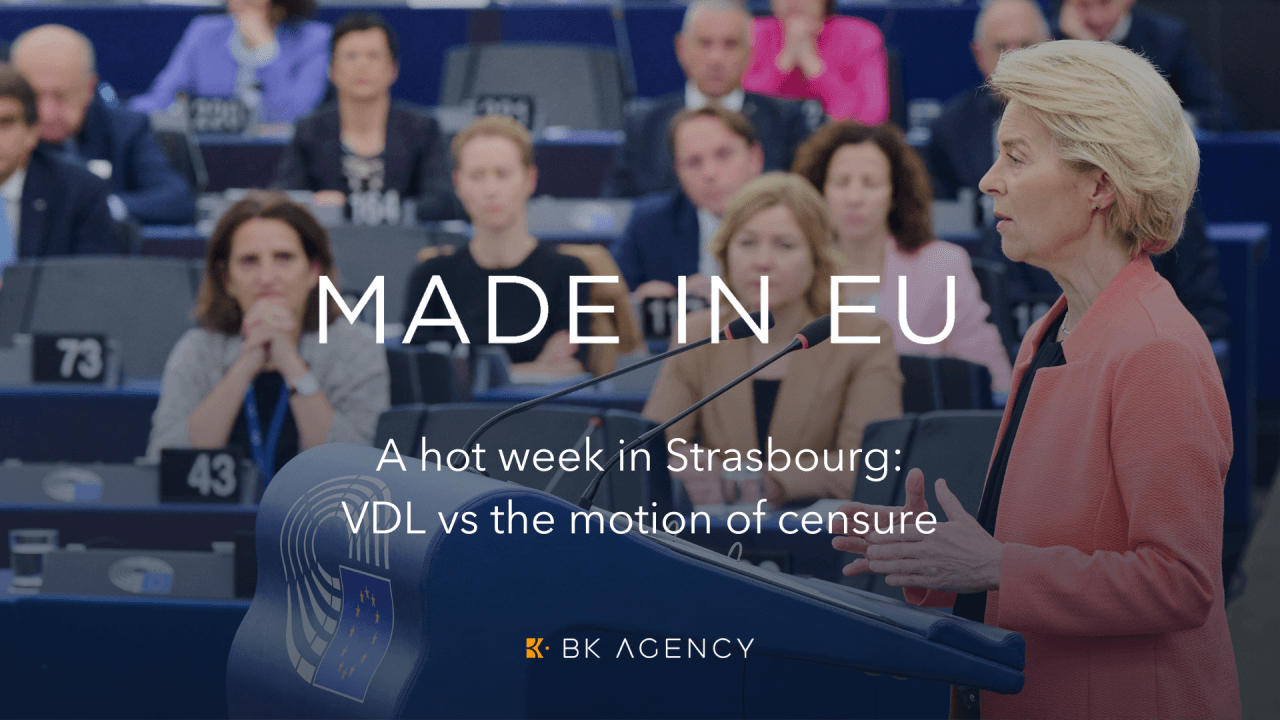
The European Parliament is scheduled to vote on Thursday on a motion for censure against the European Commission President and the entire College of Commissioners.
This motion, initiated by Romanian MEP Gheorghe Piperea, has secured the minimum required support of 73 MEPs, just above the 10% threshold necessary to trigger the vote. The motion mainly criticises Ursula von der Leyen for a lack of transparency regarding her communications with Pfizer’s CEO during the COVID-19 vaccine procurement process, which has raised concerns about democratic accountability. Further accusations include the alleged misspending of post-COVID recovery funds and the Commission’s attempts to influence MEPs through NGOs to promote green policies, which the Commission denies.
The motion requires a two-thirds majority of votes cast, representing a majority of all MEPs (at least 361 out of 720), to pass and force the Commission’s resignation. Historically, such motions have almost never succeeded, with nine previous attempts failing, including the most recent one in 2014 against Jean-Claude Juncker’s Commission that received only 101 votes out of 670.
Given the current political alignment, the motion is widely expected to fail, as most MEPs still support von der Leyen, despite some internal discontent.
Currently, approximately 70 to 75 MEPs support the motion, mainly from far-right and Eurosceptic groups. This includes 32 members of the European Conservatives and Reformists (ECR), although the ECR leadership has distanced itself from the motion; six members of the far-right Patriots for Europe; and 26 from the Europe of Sovereign Nations group. Some non-attached MEPs also support the motion. The vast majority of MEPs, including those in the main political groups such as the centre-right European People’s Party (EPP), the Socialists (S&D), the Liberals (Renew Europe), and the Greens, oppose the motion.
Many things are at stake. The Socialists and the Greens have expressed concerns that the European People’s Party frequently votes alongside far-right parties. Additionally, the European Conservatives and Reformists (ECR) are currently divided between the Italian and Spanish delegations, which have distanced themselves from the motion, while the Polish and Romanian delegations have signed it and will vote in favour of it. If the motion passes, the European Commission will be forced to resign, and the European Council will need to appoint a new president. Each Member State will also need to appoint a new commissioner. This situation has never occurred in the history of the Union.
Even if the motion does not pass, Thursday’s vote will reveal which majority the Commission has in Parliament. Will the Greens and the Socialists support the Commission, or will the European People’s Party have a “minority” commission? The “minority” commission would allow the European People’s Party to form a full-time majority with the ECR and Patriots group, but it could also compromise local governments, as seen in Poland where the European People’s Party-affiliated coalition recently lost the presidential election to the ECR-affiliated Law and Justice party.
Goodbye Schengen, welcome Tariffs
To complicate matters further, two other issues are unfolding this week. Starting on Monday, 7 July, Poland – whose government is a member of the European People’s Party – reinstated border checks with Germany and Lithuania. This development undermines the European Commission’s assertion that the European Union is the world’s largest market without internal border controls thanks to the Schengen Treaty.
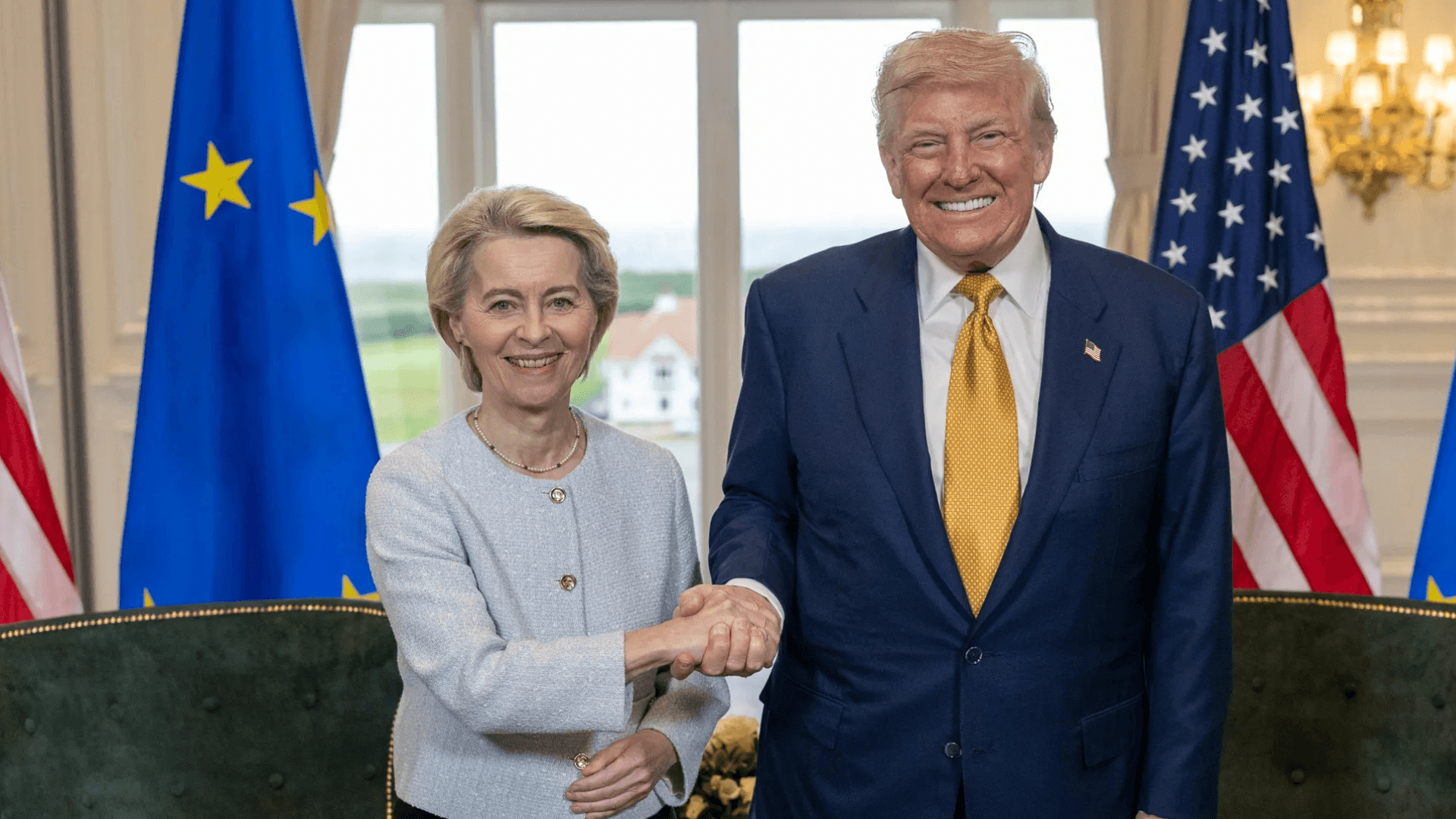
This tagline is used by European envoys in the U.S. to discuss tariffs, which will be officially implemented by 1 August if no deal is signed before 9 July. As of now, it seems likely that the EU and the United States will agree on a 10% tariff and continue negotiating further agreements between the two allies. However, the U.S. requests are not well received by the European Parliament groups of the Socialists and the Greens, as well as some members of Renew Europe. These groups are particularly concerned about the “stop the clock” mechanism in the AI Act – a clause that would halt its implementation – which, along with the revision of the DMA and DSA, was one of the demands of the Trump administration for a trade deal with the European Union. On the other hand, the EPP and the ECR are not pleased with the agricultural concessions that the European Commission is willing to make to the United States, particularly regarding GMOs products.
Rest assured, the European Commission will survive this confidence vote, but the majority that will come out on Thursday will be different from that seen a year ago, when the European Commission was approved with a margin of 370 votes in favour, 282 against and 68 abstentions. This will radically change the Commission’s agenda for the rest of the mandate.