The longest UN climate summit in history ended in Antalya without an overarching agreement. Disputes over fossil fuels and climate finance exposed the limits of international consensus and raised questions about whether Europe’s climate ambitions remain aligned with global economic and geopolitical realities.
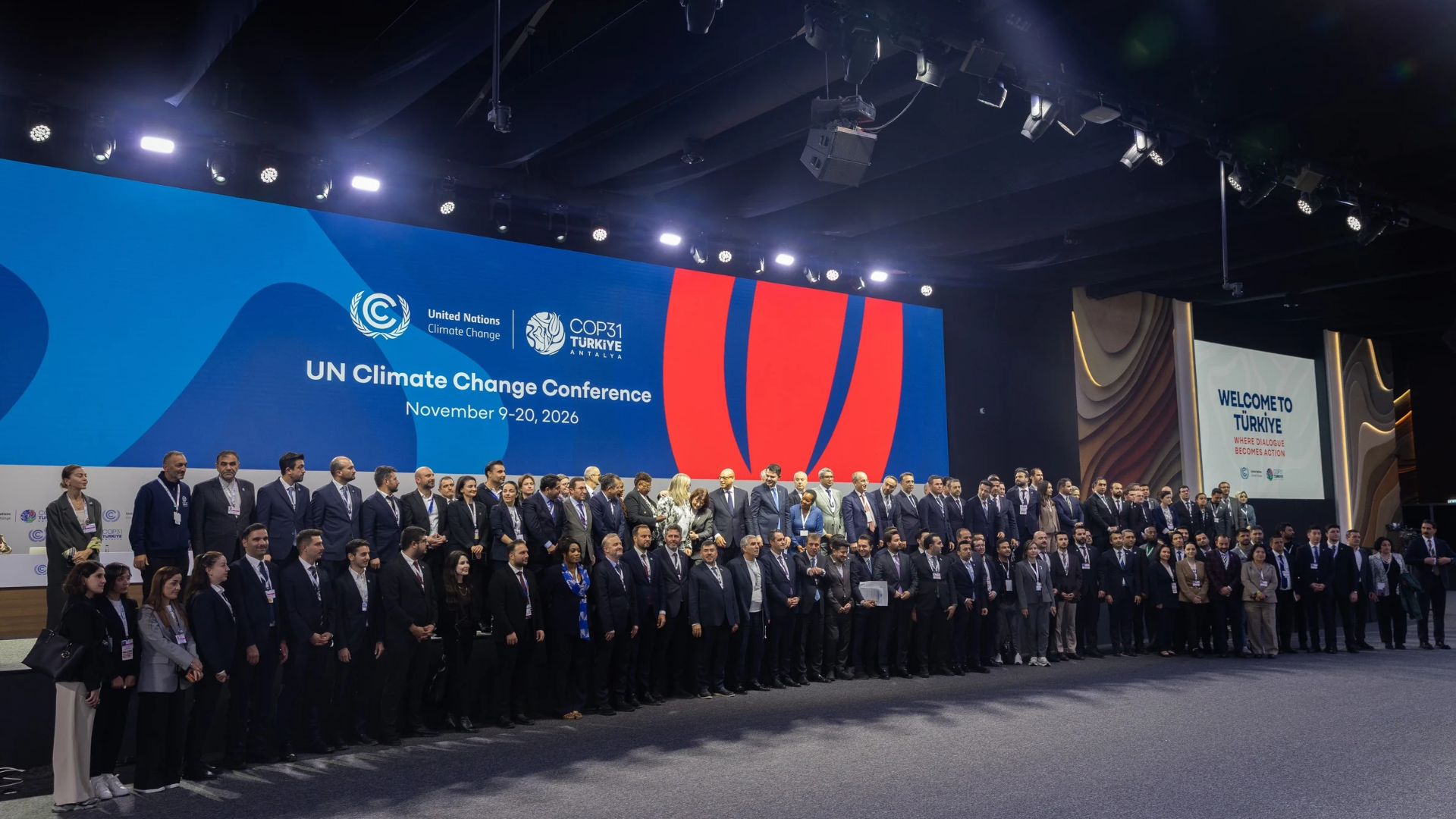
COP31 in Antalya, Türkiye, ended on 22 November without an agreement on its main political declaration, after negotiations continued more than two days beyond the scheduled closing date. Co-hosted by Türkiye and Australia, the summit became the longest COP in history and marked the first failure to adopt an overarching political agreement since Copenhagen in 2009.
The main dispute concerned the future of fossil fuels. The final draft of the proposed Antalya Pact made no direct reference to coal, oil or gas. Earlier drafts had included references to fossil fuels, but these were removed following opposition led by Saudi Arabia, with Russia and other oil-producing countries also resisting explicit commitments to reduce reliance on coal, oil and gas. Additionally, Saudi Arabia also advocated for greater recognition of carbon capture and storage technologies and China favoured a gradual transition rather than making fossil fuel phase-out a central focus of the negotiations.
Developing Countries Left Without Clear Climate Finance Commitments
However, fossil fuels were not the only source of disagreement. Developing countries and small island states criticised the lack of concrete financial commitments to help them adapt to rising temperatures, extreme weather and climate-related disasters. At COP30, countries had agreed to triple adaptation finance. However, the Antalya negotiations failed to establish clear figures or a financial baseline for measuring progress. Developing countries were consequently left without clarity on how much funding would be provided, where it would come from or how existing commitments would be implemented.
European Climate Policy Faces a Competitiveness Test
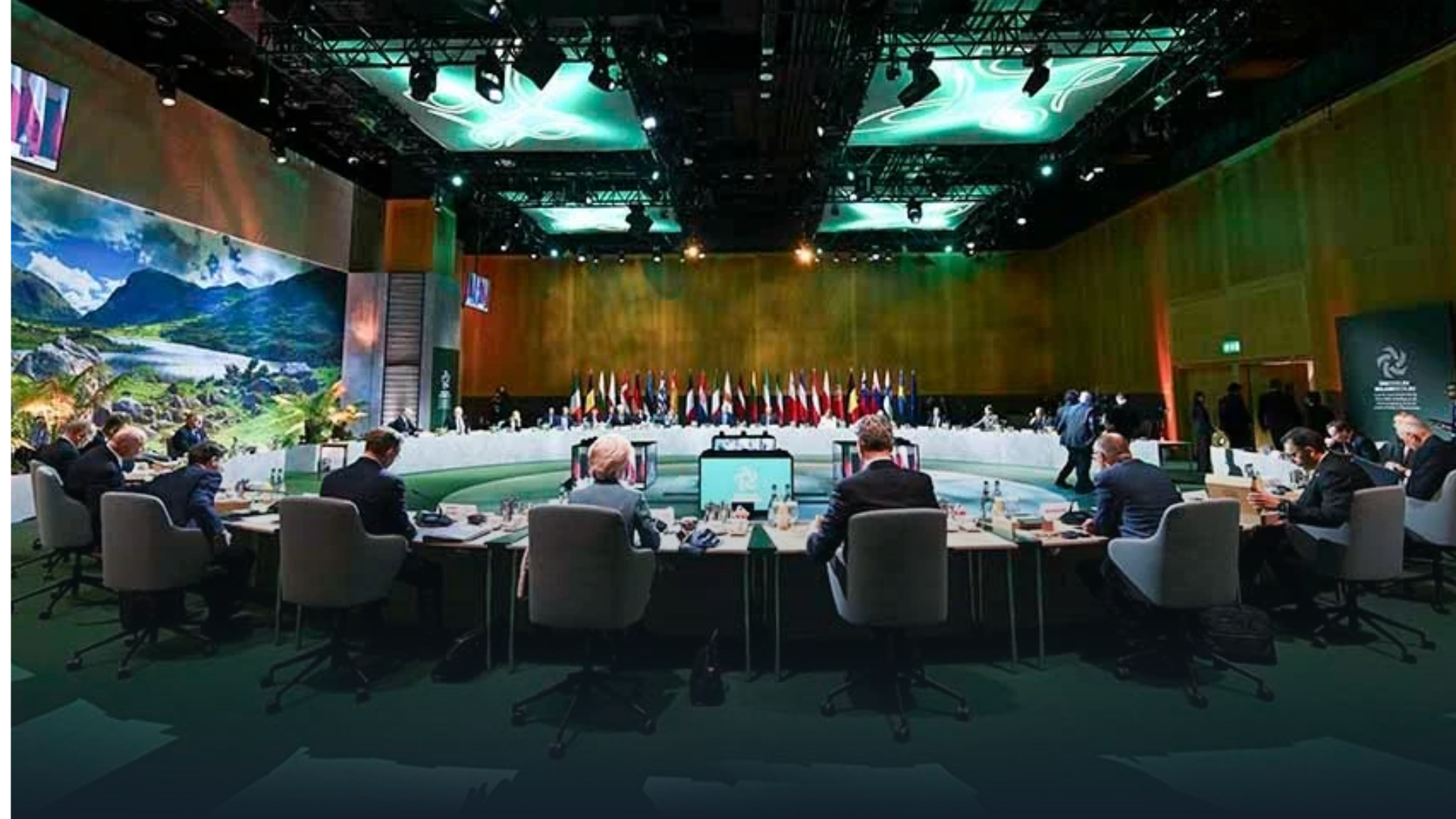
Beyond developing countries, The EU was among the strongest opponents of the final draft. Representing the bloc, Ireland’s Environment Minister Darragh O’Brien argued that an agreement without any reference to fossil fuels could not reflect the scientific evidence or the scale of the climate challenge. The EU therefore refused to endorse the Antalya Pact. However, the outcome also raises questions about the effectiveness of Europe’s approach to global climate diplomacy. The EU continues to pursue ambitious emissions targets while major energy producers and other industrial economies maintain different priorities.
Against these economic realities, the European Green Deal appears highly idealistic and might need to be revisited. Climate objectives cannot be assessed independently of their implications for industrial competitiveness, energy affordability and the EU’s attractiveness as an investment destination. This creates a complicated policy environment for European businesses, which must navigate decarbonisation requirements, face energy costs, international competition and pressure to maintain investment in European production.
COP31 Reflects a Changing Geopolitical Reality
The failure in Antalya reflects a broader shift in international relations. Energy security, industrial competition and national economic interests shape negotiations that were previously centred on collective climate commitments. For countries dependent on fossil fuel exports, a transition away from oil and gas carries significant economic and strategic consequences. For energy-importing economies, access to reliable and affordable energy remains equally important. The outcome was not a complete absence of progress. Separate initiatives on electrification and the transition away from fossil fuels continued outside the formal negotiations. Nevertheless, voluntary commitments and individual initiatives could not compensate for the absence of an overarching agreement.
The failure has renewed calls to reform the COP process, particularly its consensus rule. UN climate chief Simon Stiell acknowledged the need to examine potential changes and climate experts questioned whether the existing framework can deliver effective outcomes when individual countries can prevent collective decisions. Yet any reform would itself require unanimity, a paradox that makes meaningful procedural change appear highly unrealistic.
Europe’s ability to influence international policy will depend not only on the ambition of its targets but also on the competitiveness of its economy, the affordability of its energy supply and its capacity to secure partnerships with countries pursuing different economic priorities. COP31 therefore highlights for the EU that without a stronger industrial and economic foundation, Europe’s ability to shape the global energy transition may become constrained by the very geopolitical and market realities its policies need to address.
Image Source: United Nations Website