Amid the ongoing war in Ukraine, defence spending and NATO’s role in global security are front and centre on the agenda. The EU has recently adopted a new joint defence procurement instrument, while NATO’s Parliamentary Assembly has been discussing the upcoming NATO Summit in June, set on strengthening the alliance’s resilience and readiness.
SAFE for common spending on security and defence
On 27 May 2025, the EU agreed to a new regulation for common spending on security and defence, the Security Action for Europe (SAFE) instrument. The Instrument is a joint loan programme that provides €150 billion for member states to invest jointly in the industrial production of defence capabilities in critical areas (ammunition, missiles, artillery systems, space, AI and cyber security) within the EU. EU and EEA Member States, as well as third countries that have a Security and Defence Partnership with the EU – for example, the UK – can request loans under the instrument within the next 6 months.
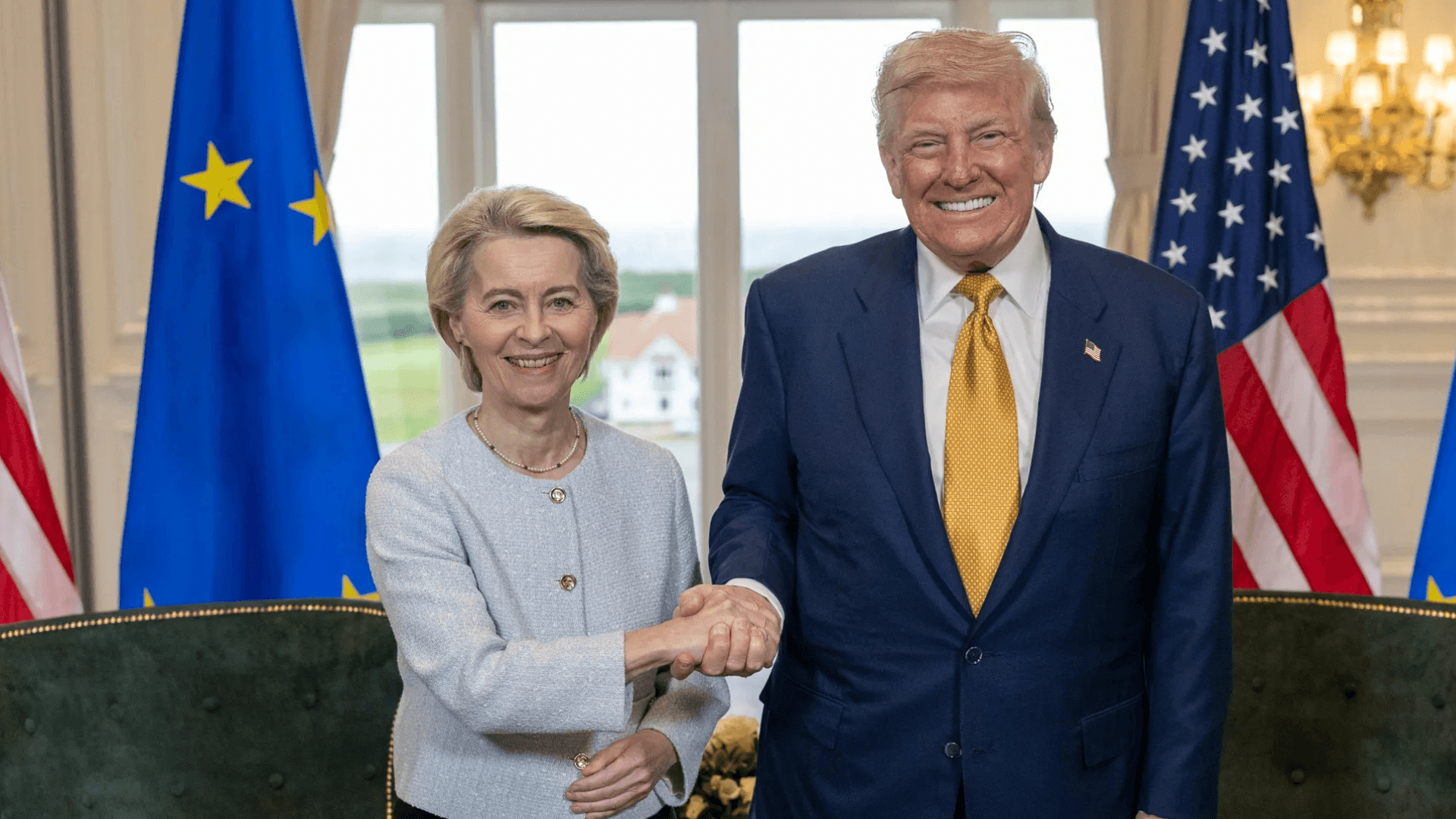
SAFE is a central component of the EU’s ReArm Europe Plan / Readiness 2030, designed to boost collective defence capabilities and military readiness across member states. Alongside the loan instrument, the plan foresees to increase defence spending through national fiscal flexibility, and a potential redirection of cohesion funds. This is part of the EU’s response to the ongoing war in Ukraine and evolving transatlantic dynamics, particularly shifts in US security commitments under the Trump administration.
Is SAFE the best way forward?
But while there is a general agreement on increased investment in security and defence, SAFE is not unanimously considered to be the best means to achieve this. Market fragmentation along national lines and economic sustainability were raised as potential challenges of the scheme. The EP, which was largely sidelined in negotiations when the Commission pushed the proposal forward through an ‘emergency clause’, has stressed that SAFE in no way replaces a long-term, comprehensive defence strategy.
Some have suggested alternatives, such as the establishment of a Rearmament Bank or a ‘Defense, Security, and Resilience Bank’, which would work similarly to the European Bank for Reconstruction and Development to address Europe’s investment needs. Germany’s newly elected Chancellor Merz also did not exclude joint EU borrowing for defence, while exercising fiscal prudence. The EU Defence and Space Commissioner Andrius Kubilius proposed allocating €100 billion for defence in the EU’s next seven-year budget to support research, including for space and dual-use technologies.
A new defence spending target for NATO Allies
Meanwhile, between 23 and 26 May 2025, the NATO Parliamentary Assembly met in Dayton, Ohio, to discuss the upcoming NATO Summit in June, marking the Alliance’s 75th anniversary. The Summit will focus on making the Transatlantic Organisation a “stronger, fairer and more lethal Alliance”, in the words of Secretary General Mark Rutte. One of the priorities will be to agree on increasing defence investment beyond the 2% of GDP pledge agreed to in 2014. This new commitment is seen as fundamental to reaching the new capability targets that NATO Defence Ministers will agree on in Brussels next week.
The 5% pledge
At last week’s NATO Foreign Ministers meeting in Turkey, Rutte proposed a new defence spending plan that broadens the definition of what counts as ‘defence.’ Under his proposal, NATO members would commit 3.5% of their GDP to core military activities, such as arms procurement, personnel, and operations, by 2032, and an additional 1.5% of GDP for related investments like cybersecurity, civil defence, and infrastructure upgrades (for instance, to ensure that roads and bridges can support heavy military equipment).
Taken together, these commitments would allow countries to meet the 5% spending target that the Trump administration has been calling for. Nonetheless, only 22 out of 32 members have met the 2% target, and some fear that a further increase in defence spending might be both politically and economically impossible.
The path forward
While European leaders have agreed to boost spending in response to Trump’s calls for greater contributions from European countries, it is still up for discussion how this will materialise. The ReArm Plan / Preparedness 2030 provides an answer in the form of loans for common EU spending projects and more flexible fiscal rules. Overall, Europe’s path forward will depend on finding the right balance between national and collective investments, ensuring that increased defence spending strengthens military capabilities while delivering long-term resilience, strategic autonomy, and unity within the EU and NATO frameworks.