The Sahel & Critical Minerals
Sahel Instability:
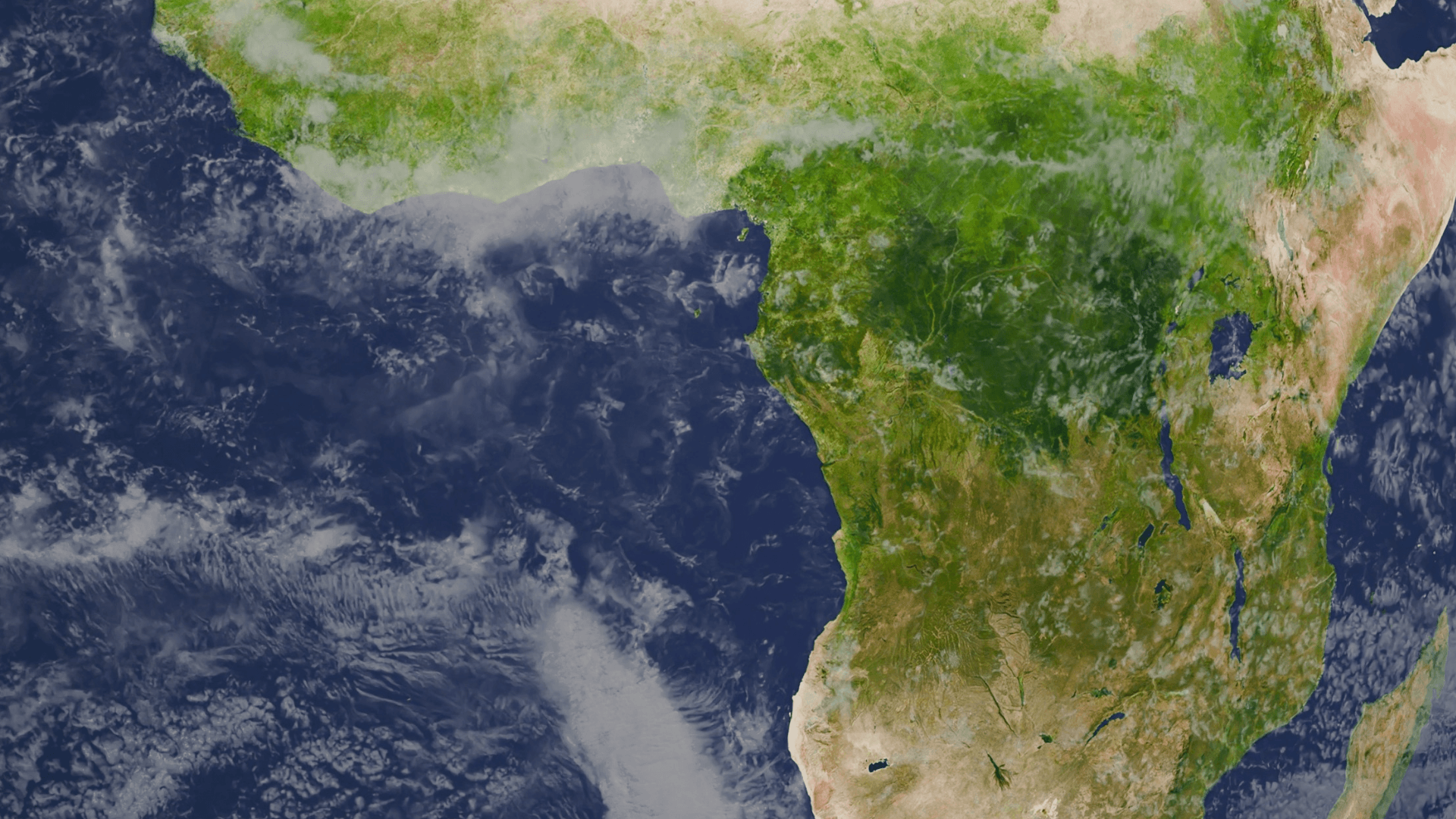
The “Alliance of Sahel States” (Mali, Niger, Burkina Faso) has consolidated power, pivoting towards Russia for security. In 2026, continued instability or a new coup in the region could lead to a surge of migrants across the Central Mediterranean, testing the EU’s newly implemented “New Pact on Migration”.
Critical Minerals Partnerships:
Conversely, the EU will aggressively pursue “green minerals” deals with non-Sahelian African states like the DRC, Zambia, and Angola. The goal is to secure cobalt and lithium supplies for the EU battery industry, reducing reliance on China. Angola, in particular, is emerging as a “Middle Power” partner for the EU in energy.
EU-Africa Engagement:
The Joint Declaration from the 7th African Union-European Union Summit (2025) emphasises sectoral cooperation on critical minerals, infrastructure, and security. The EU will position itself as a more reliable partner than China in African development, emphasising democratic governance, rule of law, and labor standards as conditions for investment.
Impact on Europe
Africa’s role as a critical minerals supplier will be central to Europe’s energy transition and industrial resilience. Success in securing long-term mineral supply contracts with African nations will partially offset the EU’s dependence on Chinese rare earth processing and enable the decarbonisation of European industry.
Sudanese Civil War
The Sudan civil war that began in April 2023 has produced the world’s worst humanitarian crisis and represents a critical test case for international crisis management in 2026.
Scale of the Crisis:
The conflict is fought between the Sudanese Armed Forces (SAF) and the Rapid Support Forces (RSF). By late 2025, roughly 80% of healthcare facilities in Sudan were no longer functional, and approximately 12 million people have been forcibly displaced, making it one of the largest displacement crises in recent history (Humanitarian Impact of the Sudanese Civil War, 2023-present). In Darfur, the UN has warned of an impending catastrophe, with civilians facing relentless violence, sexual abuse, and starvation (UN, 2025).
Siege and Massacre:
The siege of El Fasher, the last major city in Darfur under government control, reached catastrophic levels between July and October 2025. More than 2,000 people were executed on October 26, 2025, in the El Fasher massacre, including many children, women, and older people. Humanitarian aid remains blocked, with 260,000 civilians trapped without safe exit routes as the RSF builds berms to block movement and supplies.
Funding Shortfall:
The crisis is worsened by severe funding shortfalls. With only 25% of Sudan’s $4.2 billion humanitarian plan funded as of late 2025, humanitarian organisations face impossible operational constraints.
Weaponisation of Starvation:
Both the SAF and RSF have been reported to use starvation as a weapon of war by systematically obstructing the delivery of food, medical supplies, and humanitarian aid. Malnutrition, cholera, and dengue fever spread rapidly in overcrowded displacement sites.
EU Response and Limitations:
The EU faces severe constraints in responding to Sudan’s crisis:
- Limited diplomatic leverage: With the conflict driven by internal SAF-RSF dynamics and external actors like the UAE allegedly backing the RSF, EU diplomatic influence is minimal.
- Budgetary constraints: The EU’s stretched budget and focus on European security leave limited resources for African humanitarian crises.
- Sovereignty concerns: Sudan’s government may restrict EU humanitarian access, limiting the EU’s ability to provide direct assistance.
Secondary Impacts on Europe:
- Migration: While Sudan’s borders limit immediate secondary flows to Europe (unlike Ukrainian or Syrian refugee crises), prolonged instability could trigger Sudanese migration to the Middle East, with tertiary flows to Europe via Egypt and the Mediterranean.
- Regional Destabilisation: Sudan’s collapse could trigger spillover effects in neighboring countries (Chad, Egypt, Ethiopia), creating additional instability and humanitarian emergencies.
Impact on Europe
Sudan’s humanitarian catastrophe represents a failure of international crisis management and underscores the limitations of European agency in addressing global humanitarian emergencies. The EU will respond through UNHCR (the UN Refugee Agency) support and EU contributions to international trust funds, but cannot play a leading role in conflict resolution or reconstruction without US engagement or regional consensus.
Read the full B&K Agency Global Outlook for 2026: