
China’s Quiet Non-Wins at Davos
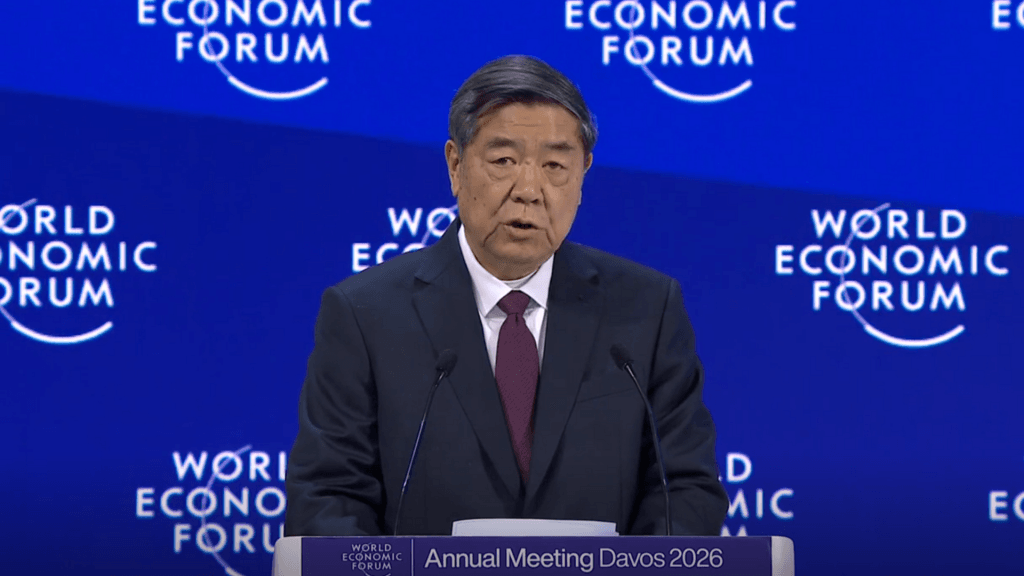
Executive Summary At Davos 2026, China avoided overt confrontation and instead deployed a strategy of calculated restraint, positioning itself as a predictable and non-combative interlocuteur amid visible Western tensions. This posture may have created the appearance of quiet advantage, but did not translate into a substantive diplomatic or strategic win. Beijing largely reiterated long-standing talking […]
Berlin and Rome Rewire Europe’s Security Architecture

Executive Summary The signing of the “Agreement on Enhanced Co-operation on Security, Defence, and Resilience” in Rome on 23 January 2026, represents a fundamental shift in European power dynamics. Beyond a standard defence treaty, this document formalises a partnership focused on three high-stakes geopolitical arenas: the African continent, orbital strategic autonomy, and transnational cyber resilience. […]
Iran’s Post-Protest Trajectories: What Comes Next
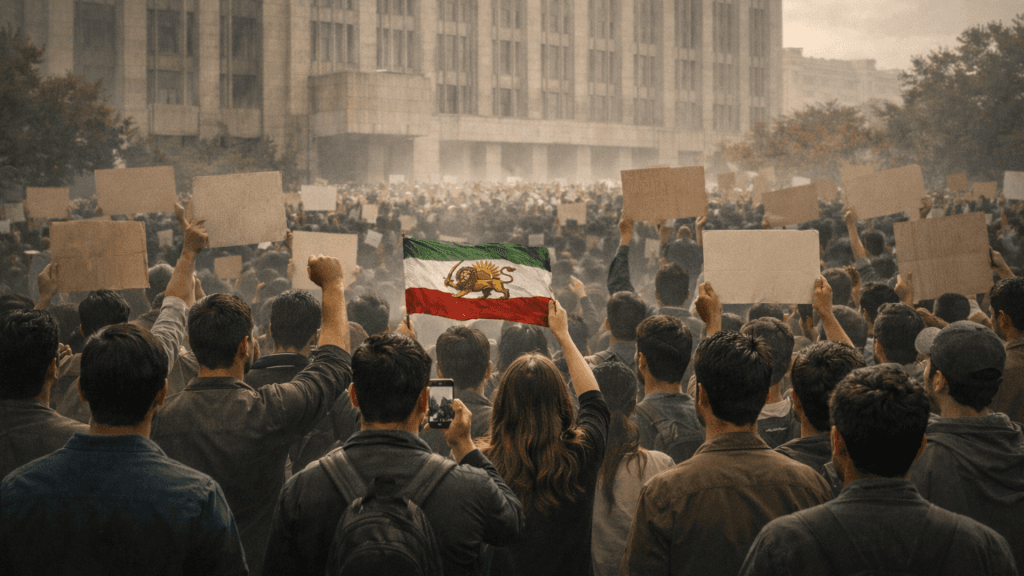
Executive Summary The current volatility in Iran has transitioned from localised domestic unrest to a systemic risk threatening the architectural stability of the Middle East and the global East-West balance. B&K Agency assesses that the “muddling through” strategy of previous decades is no longer a viable baseline. We further assess that the Iranian state is […]
Arctic Hold’em: The High-Stakes Trade War for Greenland

The current diplomatic friction between the United States, the Kingdom of Denmark, and the European Union regarding the status of Greenland represents a significant shift in Arctic governance and transatlantic relations. For B&K Agency stakeholders, this situation requires an objective understanding of the underlying strategic motivations and the structural changes occurring within the North Atlantic […]
Iran’s Black Swan Moment. Strategic Assessment
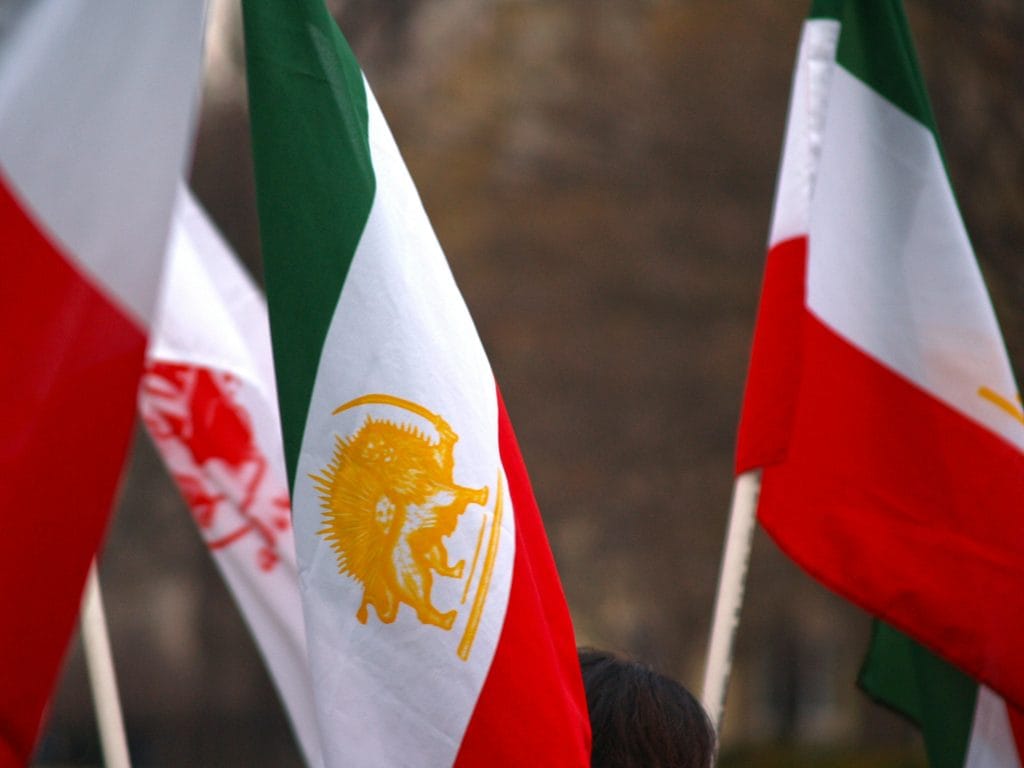
Executive Summary Iran is currently navigating its most profound period of domestic instability since the 1979 revolution. This wave of unrest was precipitated by a catastrophic systemic economic failure and the geopolitical repercussions of the “12-Day War” with Israel in mid-2025. What began as localised demonstrations on 28 December 2025 has rapidly transitioned into a comprehensive nationwide […]
Breaking the Read Sea Taboo: Israel’s Recognition of Somaliland. Strategic Assessment

Executive Summary On December 26, 2025, the State of Israel executed a diplomatic maneuver that fundamentally reordered the geopolitical architecture of the Horn of Africa. By officially recognizing the Republic of Somaliland as a sovereign, independent nation, Israel became the first UN member state to break a 34-year diplomatic embargo that had kept the breakaway […]
The Cyprus Presidency: Breaking Down the Agenda

On 1 January 2026, the Republic of Cyprus assumed the rotating Presidency at the Council of Ministers, taking over the role from Denmark. This was the last transition of the current three-piece Presidency (consisting of Poland, Denmark and Cyprus) and comes at a moment when the Union is facing several challenges, most notably regarding competitiveness […]
US Strikes in Venezuela and the Fall of the Maduro Regime: Strategic Assessment
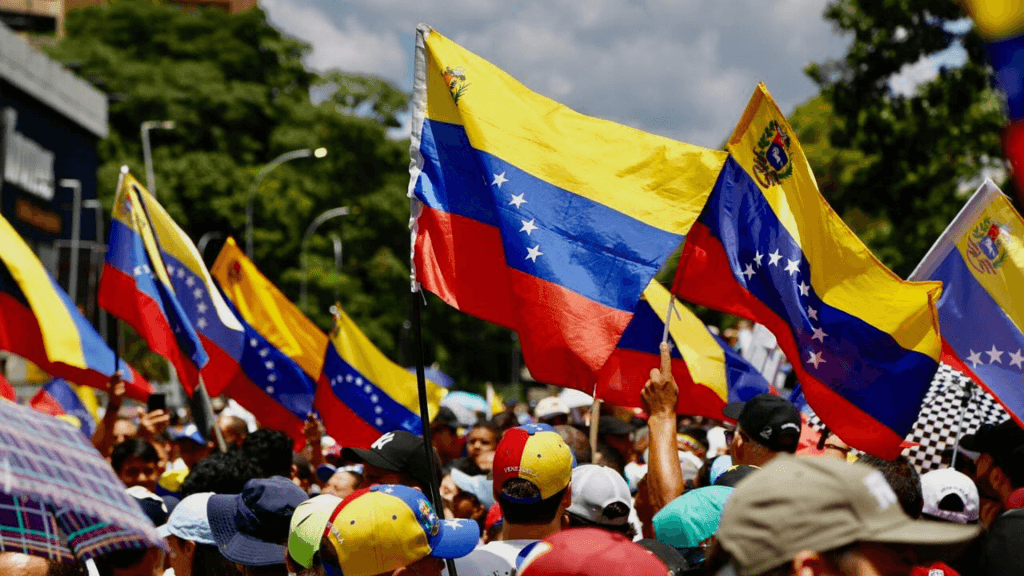
The events of 3 January 2026 represent a definitive pivot point in modern geopolitics. The successful execution of the attack, codenamed Operation Absolute Resolve, and the subsequent extraction of Nicolás Maduro and Cilia Flores have signalled the dawn of a “Restorative Era” in the Western Hemisphere. By transitioning Venezuela away from a regime defined by […]
Geopolitical Outlook for 2026: The Americas

US Retrenchment and the “Dormant NATO” The return of an “America First” foreign policy doctrine in the US creates a high probability that Washington will withdraw or significantly degrade its presence on NATO’s eastern flank in 2026. Scenario: Partial Withdrawal B&K Agency’s assessments suggest a scenario where the US reduces its footprint to naval and […]
Geopolitical Outlook for 2026: Transatlantic Relations
Transatlantic Trade Wars and the Tariff Shock Beyond security, 2026 is projected to be a year of intense geoeconomic friction. Global economic forecasts indicate that growth in 2025 may have been “front-loaded” as businesses raced to export goods before anticipated US tariff hikes take effect in 2026. This reflects the broader fragmentation of the global […]