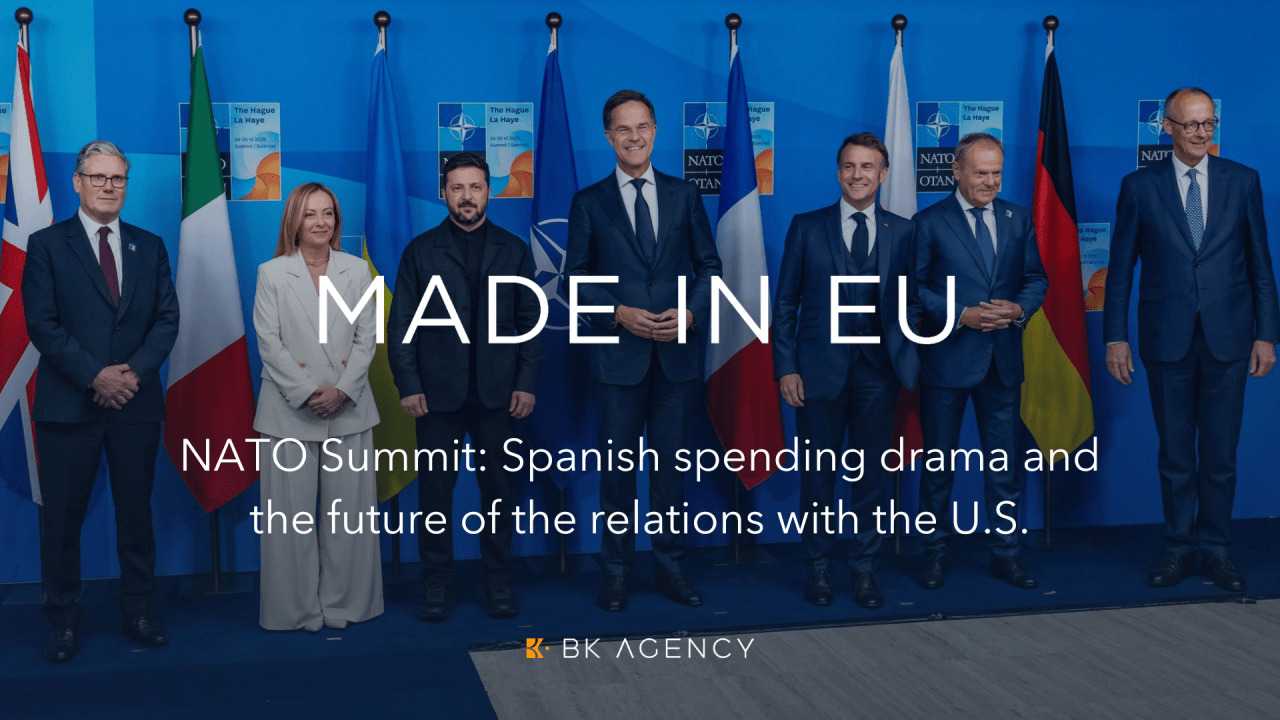
As NATO leaders gathered in The Hague, the spotlight of the summit landed on Spain, where Prime Minister Pedro Sánchez played a high-stakes game of optics and obligation. On paper, he celebrated what he claimed was a diplomatic win.
NATO has endorsed a new benchmark: 5% of national budgets should go toward defence and security-related spending by 2035, with a formal review in 2029. Prime Minister Sánchez insisted that Spain can stick to its current 2.1% GDP allocation (Madrid officially spent just 1.28% in 2024) and still meet alliance expectations. However, other members refused support for Sanchez’s proposal as NATO is facing scrutiny over its credibility from both the public and its major contributor, the United States.
NATO’s Secretary General, Mark Rutte, made it clear: there are no side deals, no special arrangements. Spain may have political leeway in how it structures its spending, but it must deliver the military capabilities the alliance requires. That’s the real test.
Back home, Sánchez faces a fragile coalition that includes anti-NATO parties such as Sumar and the Catalan independents. Framing Spain’s defence strategy as “flexible” allows him to survive politically — for now. But many in Brussels see this as political storytelling rather than strategic clarity. There’s no mechanism to punish countries for falling short of the 5% target, but that doesn’t mean there’s no cost. Trump’s statement that Spain will pay double the duties on its products won’t help Sánchez to keep the government alive. This statement also served as a reminder to all the other members that Trump is closely monitoring.
To complicate matters further, NATO is tightening its accounting standards. The alliance will now clearly distinguish between direct defence spending of 3.5% and adjacent categories such as infrastructure and cyber, amounting to 1.5% of countries’ GDP.
One change that is working in European allies’ favour is the military aid to Ukraine, which will now count toward the 5% threshold. It’s a significant shift, and it underscores how NATO increasingly sees Kyiv’s survival as part of its own security perimeter. At the same time, the Summit declaration, signed at the end of the meeting by all parties, reaffirmed that Russia represents a persistent, long-term threat to the Euro-Atlantic stability. But China, once a major topic in previous declarations, was almost entirely absent from this year’s agenda. While NATO previously warned about China’s growing military assertiveness and strategic investments in critical infrastructure, no such language featured prominently this time. The shift reflects two things: a vacuum in U.S. leadership on Asia—and political pressure from member states (Spain, Hungary, Montenegro) that prefer a softer line on China due to the Chinese investments in those countries and their exclusive trade relations.
The absence of the three Indo-Pacific partners from the Summit shows that NATO is not a focus in the region anymore, as only New Zealand accepted the invitation to attend. Japan, Australia, and South Korea all withdrew — each for different reasons, but all highlighting growing disillusionment with NATO’s strategic drift in the Pacific.
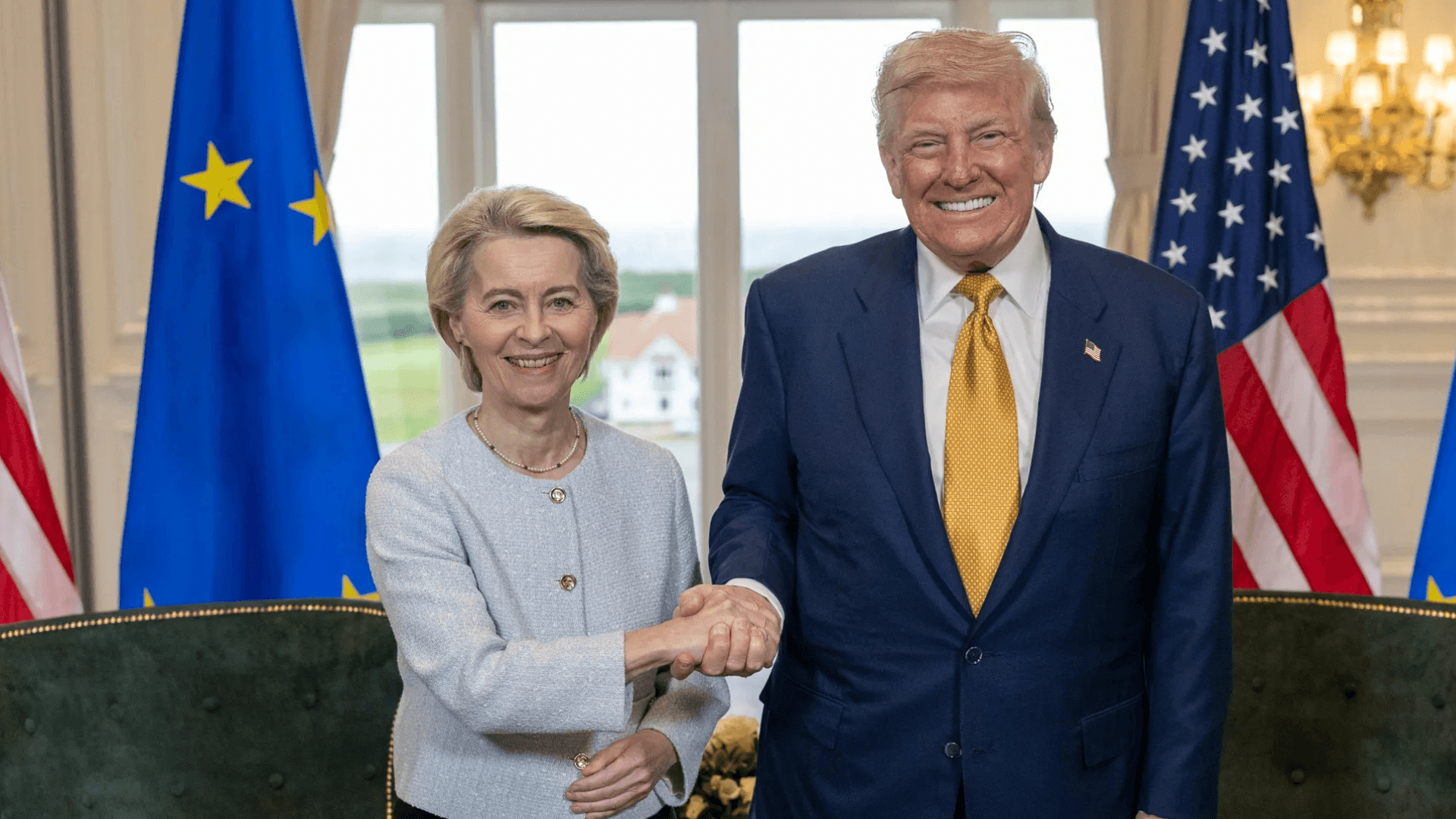
President Trump declared the summit a “historic win,” viewing the 5% pledge as a defining moment in history. However, he also used the platform to criticise European underspending. In the background, his team considered trade retaliation for those who did not meet the agreed-upon target. Article 5 was described as “ironclad,” but Trump’s exact interpretation remains open to interpretation, as always.
This ambiguity is precisely why the summit marked a pivotal moment for Europe’s defence posture. For decades, European security was underpinned by American guarantees. However, with Trump back in the White House, the alliance enters a new and uncertain chapter.
The persistent question in every meeting room at The Hague was not exclusively about Spain’s fiscal expenditures. It was about the United States. How would Washington respond to Spain’s “flexibility” alongside the 50% increase in tariffs? And would the Trump administration tolerate ambiguity from other members, or would it demand strict compliance? The answer is still uncertain, and that is precisely the point.
The future of the alliance may hinge on the next shift in U.S. domestic politics.
For Europe, this uncertainty has become an impractical choice. The 5% target is not solely a financial matter; it is also a matter of credibility. NATO is evolving from a group of promise-makers to a coalition of capability-deliverers. If Europe wishes to maintain its relevance, it must lead, not merely follow. This involves investing more, accelerating progress, and improving coordination. It means being prepared to act even if Washington hesitates. From Russia’s persistent aggression against Ukraine to the escalating volatility in the Middle East, the threats are urgent and while this summit did not resolve all issues, it may mark the beginning of a distinct kind of NATO — one in which Europe appears as a more significant partner in its own defence.