Executive Summary
The United States and Iran are currently in a high-stakes stand-off that has reached a boiling point this February. Following a massive and bloody crackdown on domestic protesters in Iran last month, President Trump has shifted the US military into a strike-ready posture.
While diplomacy remains technically active through indirect talks in Geneva, the American strategy has moved towards a clear ultimatum: Iran must dismantle its nuclear programme and halt its regional aggression, or face a significant military response. The US objective is not a long-term occupation but a series of precision strikes designed to cripple Iran’s military capabilities and leadership, potentially paving the way for a regime change.
Background
The current crisis was triggered on 28 December 2025, when shopkeepers in Tehran went on strike to protest a collapsing economy and a currency that had lost 40 per cent of its value. These protests rapidly spread to all 31 provinces, becoming the most significant challenge to the Iranian government in its history.
On 8 January 2026, the Iranian authorities launched a brutal response. While the Iranian government claims that about 3,000 people died, international human rights groups and medical networks estimate the true death toll is between 30,000 and 36,000. In his State of the Union address, President Trump stated that 32,000 people have been killed by the regime during the protests. This extreme violence, combined with a total internet blackout in January, led President Trump to declare that the US would no longer stand by while the regime slaughtered its own people.
US Assets in the Region
To reinforce these words, the US has moved a vast amount of military power into the region. President Trump has described this fleet as an “armada”, and military experts say this is the highest concentration of US air and sea power in the Middle East since the start of the Iraq War in 2003. At the centre of this force are two nuclear-powered aircraft carriers: the USS Abraham Lincoln, currently in the Persian Gulf, and the world’s largest carrier, the USS Gerald R. Ford, which has been redeployed from the Caribbean to the coast of Israel.
Beyond the carriers, the US has surged more than 150 additional aircraft into the region. This includes top-tier F-22 Raptor and F-35 stealth jets, as well as F-15E Strike Eagles and A-10 “Warthog” attack aircraft stationed at bases in Jordan, Qatar and Israel. Supporting these fighters are more than 85 refuelling tankers and 170 cargo aircraft, giving the US the ability to sustain operations for weeks at a time. Dozens of destroyers equipped with Tomahawk cruise missiles are also in position, which are capable of striking targets deep inside Iran at a moment’s notice.
The US Strategy
President Trump has been explicit that he has no interest in a “forever war” or a large-scale invasion of Iran. His preference is likely for a surgical military operation. This would likely involve using the substantial air and naval power currently in the region to launch cruise missile strikes and stealth bomber raids.
The objective would be to eliminate high-value targets such as Iran’s nuclear sites, missile production facilities and Revolutionary Guard command centres. By relying on air power and long-range weapons, the US aims to avoid having “boots on the ground” inside Iran. The administration believes that a swift, overwhelming blow would force the Iranian leadership to the negotiating table without drawing the US into another decades-long conflict, as was the case with Iraq and Afghanistan.
The High Stakes for Europe
The European Union is on high alert because it stands to lose, in the short term, from a war. First, Europe is still grappling with elevated energy prices as a result of the war in Ukraine. If a strike on Iran leads to the closure of the Strait of Hormuz, European gas and oil prices would spike immediately, potentially triggering a deep recession across the continent.
Second, the EU fears a new refugee crisis. The scale of the January protests and the government’s violence suggests that a full-scale war could send millions of displaced people towards Europe’s borders, creating both a political and humanitarian crisis. European leaders are urgently pushing for the negotiations in Geneva to succeed, as they view diplomacy as the only viable means of preventing an economic shock and a security emergency landing on their doorstep.
China and the Oil Market
China remains the dominant player in the Iranian oil market. As the purchaser of the majority of Iran’s exports, any US strike would effectively cut off a primary energy source for Chinese industry. China has responded by conducting joint military exercises with Russia and Iran to signal that it will not be easily sidelined. However, like the US, China seeks to avoid a global economic meltdown. If oil flows are disrupted, China would be forced to compete for more expensive supplies from the Middle East and Africa, driving up prices globally, including for major buyers such as India and Japan.
The crisis now hinges on a narrow window between coercion and catastrophe. If deterrence holds, Washington may extract concessions without war, but if miscalculation prevails, even a limited strike could trigger regional escalation with global economic consequences. For Europe and Asia alike, the margin for error is anxiously small.
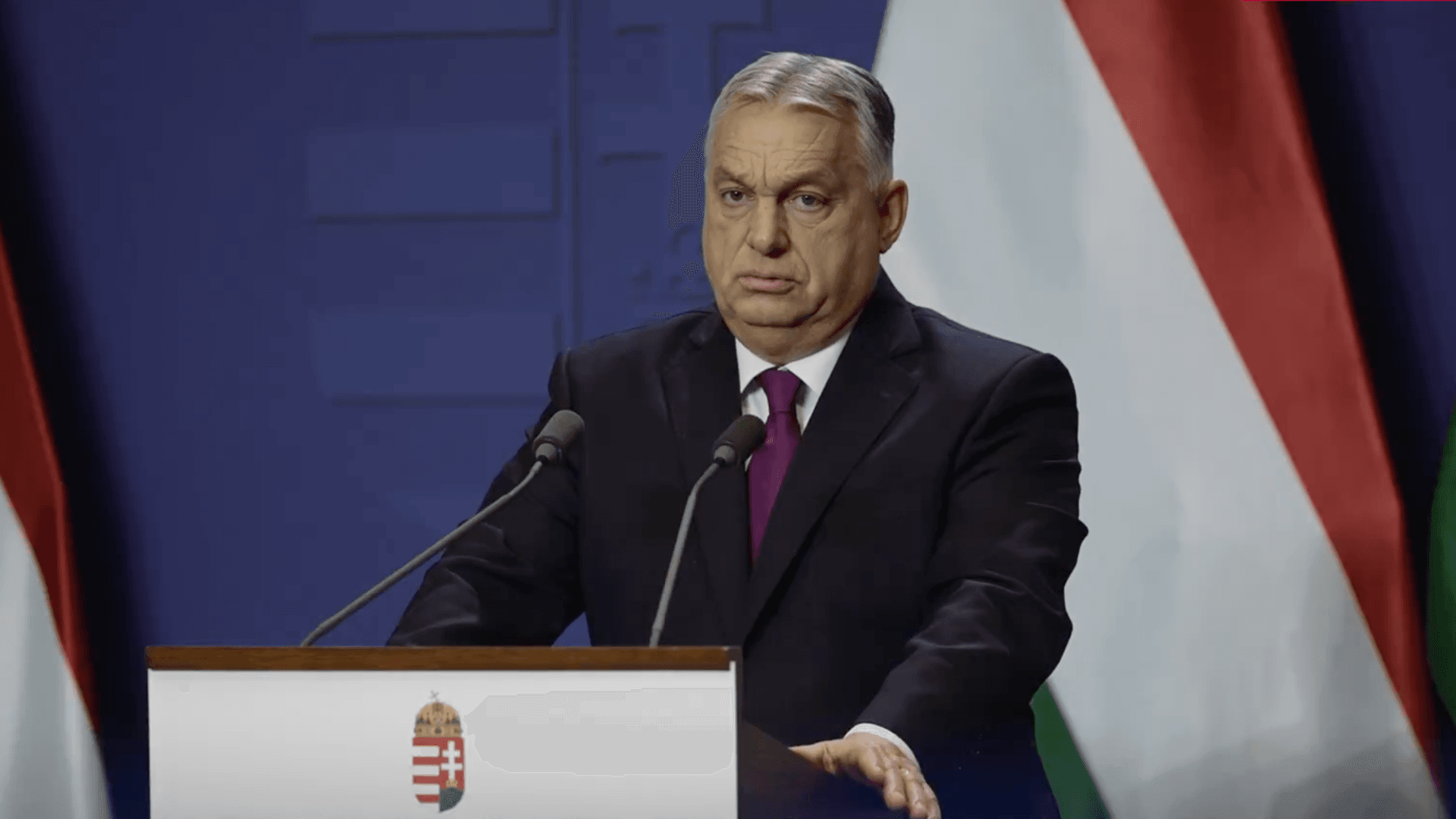
Image source: Official X account of Donald Trump, President of the United States