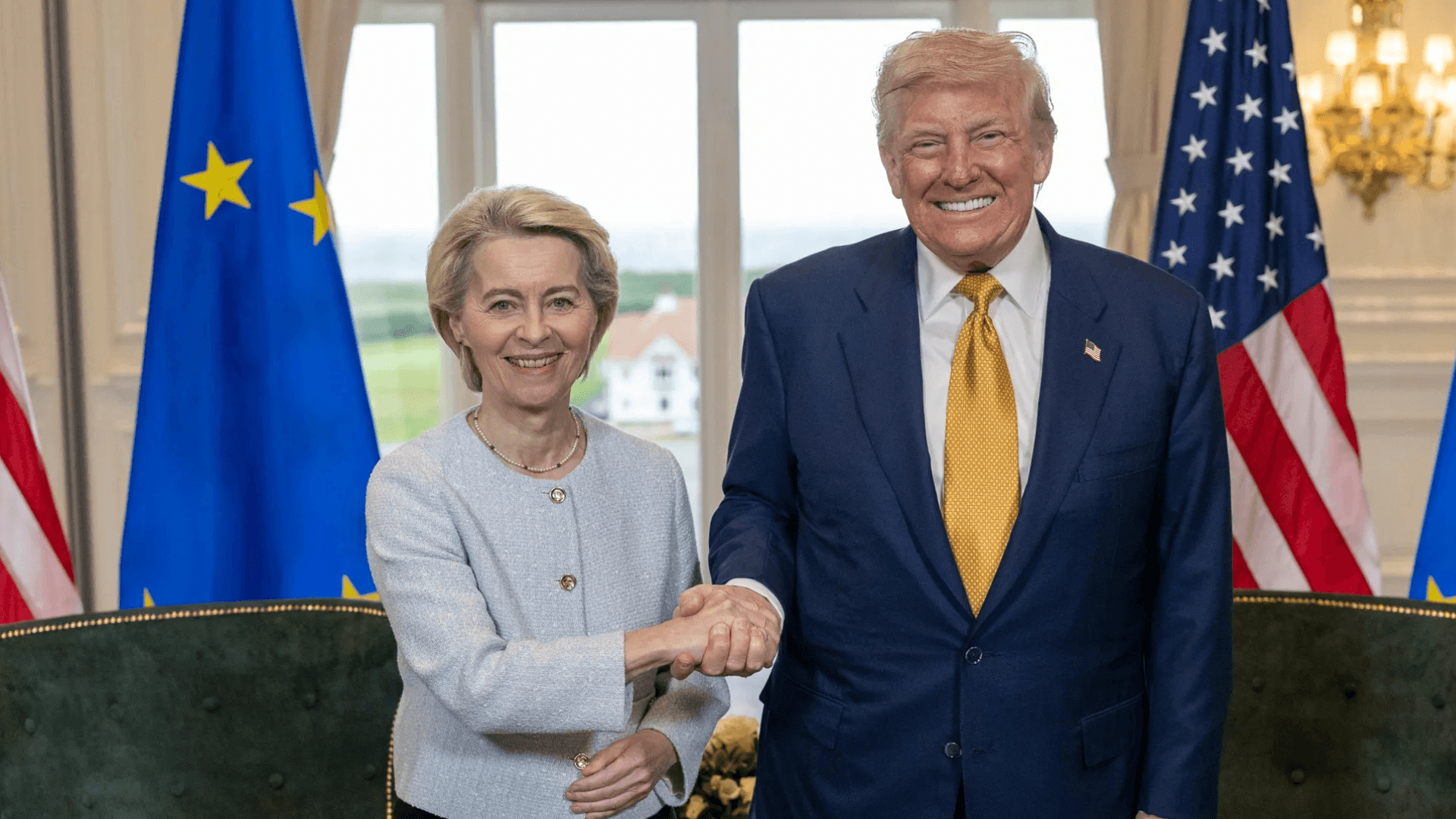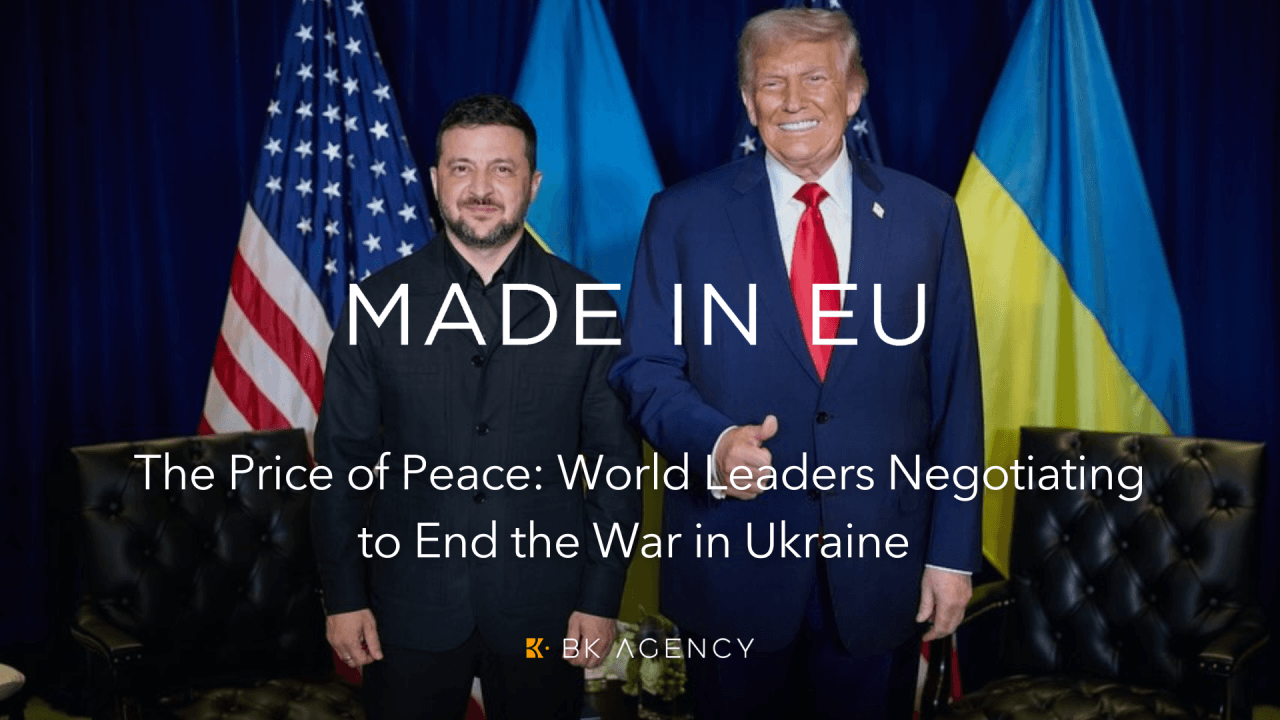
The US proposed plan to end the War in Ukraine generated opposition, especially on the European continent, and it is already a subject to revisions and changes in hopes that the Ukrainian and European officials will accept it.
The Price of Peace: World Leaders Negotiating to End the War in Ukraine
The geopolitical situation in the world is heated, following the circulation of a controversial 28-point peace plan by the Trump administration to end the war in Ukraine. The plan was initially a target for criticism, with the opponents stating that the deal disproportionately favours Russian interests. The main reason for that was the suggestion of territorial concessions and limitations on Ukraine’s military. It is believed that the peace proposal was in fact written by Russian officials and passed over to the Trump administration via US special envoy for peace missions, Steve Witkoff.
The leaked phone calls between Witkoff and Kremlin’s diplomats suggest that this rumour is likely to be true. Because of the scandal, many Republican Party officials are calling for US Secretary of the State Marco Rubio to take full control over the negotiations. Rubio stated his dissatisfaction with the plan, calling it a “Russian wishlist”, disavowing any knowledge of it prior to the public announcement. Witkoff is supposed to meet Putin next week, accompanied by Trump’s son-in-law Jared Kushner, his ex-Senior Advisor who currently doesn’t hold a formal position in the office. Kushner’s involvement signals that Trump doesn’t trust Witkoff fully, and that Kushner will act as Trump’s eyes and ears during the meeting.
However, after negotiations in Geneva between Washington and Kyiv, this proposal has evolved into an “updated and refined peace framework.” The 28-point draft allegedly proposed the freezing of conflict lines and barring NATO troops, while the new version, crafted with joint efforts of Ukrainian officials and Secretary Rubio, is described by both countries’ diplomats as constructive and a big step toward upholding Ukraine’s sovereignty. On the other hand, Putin has stated that the plan can be a good basis for future agreements, but that Russia is ready to take the occupied territories forcefully if the mutual agreement is not reached.
The European Perspective
In the meanwhile, the European leaders are doing all they can to ensure they are not left behind in these negotiations. European Commission President Ursula von der Leyen has established a red line, making a strong statement: “Nothing about Ukraine without Ukraine, nothing about Europe without Europe, nothing about NATO without NATO.” Both von der Leyen and other European leaders remain strict in their position that any peace deal must guarantee that borders are not changed by force and that Ukraine remains free to seek the membership in the European Union. To counter the US proposal of banning NATO troops presence, France and the UK have rallied a “Coalition of the Willing” to propose a multinational reassurance force on the ground to train and secure Ukraine once the conflict is over.
Although Moscow has already signaled that it’s open to the initial 28-point plan, their intentions are most probably not sincere. Putin stated on 27 November that the plan can be a good basis for future agreement, threatening that Russia is ready to take the occupied territories forcefully if the mutual understanding is not reached. The situation remains fluid and prone to change, and all the parties involved have their eyes on the potential meeting between Presidents Zelenskyy and Trump to finalize terms. Diplomacy experts warn that one of the key factors in the US approach is which stream inside Trump’s cabinet will be more persuasive, as well as who will have the chance to talk to Trump last before the meeting and sway him to his side.
The Future of Transatlantic Alliance
This situation tests the validity of international law when it comes to borders. The 28-point plan provides that the currently occupied areas in Ukraine should be de facto recognized as a part of Russia. Such approach would risk legitimising the territory acquisition by force and set a controversial precedent for the future. It redefines European strategic autonomy. If a deal is made just between Washington DC, Kyiv, and Moscow, and EU is pushed to the sidelines, the bloc would have to pay a part of the reconstruction without having a say at the table.
One of the reasons for the friction between US and its European allies is that the former is eager to push for a quick diplomatic win at any cost, while the EU wants the agreement that takes the long-term stability of the region into account. The way this situation unfolds will likely determine how the US-EU dynamic will look like in the immediate future.
The End in Sight
A possible unintended consequence of an actual peace treaty that would allow Russia to keep the occupied territories is testing the limits of international law. The potential recognition of the territories acquired by force would set a controversial precedent for future conflicts worldwide.
There is also a question of domestic acceptance. It is unclear whether the people of Ukraine will accept a deal that recognises any territory gains for Russia, and the response from a large portion of the population will almost surely be negative. On the other hand, given that the country is at war for almost four years, the war fatigue is real and a portion of people would likely be willing to make some compromises. Recent reports indicate growing dissatisfaction within the military ranks, and the experts warn that there is a risk of internal protests if the terms are seen as capitulation. President Zelenskyy’s administration will have a very tough choice to make in order to balance between the Western solutions, Russia’s ambitions, and its own population’s sentiment.
The most probable scenario is a sort of compromise, where the war will end without a formal peace treaty that would recognise border changes. There will possibly be a truce, probably in the form of a frozen conflict line monitored potentially by European or other international forces, and the sovereignty of Ukraine protected by bilateral treaties instead of NATO accession. Whatever the outcome is, how this conflict unfolds will influence the future of all European countries and set the rules of the game for the global superpowers going forward.