The events of 3 January 2026 represent a definitive pivot point in modern geopolitics. The successful execution of the attack, codenamed Operation Absolute Resolve, and the subsequent extraction of Nicolás Maduro and Cilia Flores have signalled the dawn of a “Restorative Era” in the Western Hemisphere.
By transitioning Venezuela away from a regime defined by narco-terrorism and into a period of provisional oversight, the United States has reasserted its role as the primary guarantor of stability in its own backyard.
This move was a necessary surgical intervention to neutralise a criminal enterprise that had metastasised into a global security threat, warning revisionist powers that sovereignty is no longer an absolute shield for those who facilitate transnational crime and host adversarial shadow networks.
A Closer Look at the January 3 Events
After the Maduro regime’s blatant disregard for the democratic outcomes of the last year’s election, the United States moved beyond traditional economic sanctions towards a policy of active measures.
Trump’s “Maximum Pressure 2.0” included a total blockade of Venezuelan oil exports, designed to provide the regime with multiple off-ramps towards a peaceful transition. When these were ignored, the narrative shifted from political disagreement to a judicial imperative.
The unsealing of updated indictments by Attorney General Pam Bondi provided the legal framework for the 3 January operations, framing the intervention as the execution of high-level arrest warrants for narco-terrorism and cocaine importation.
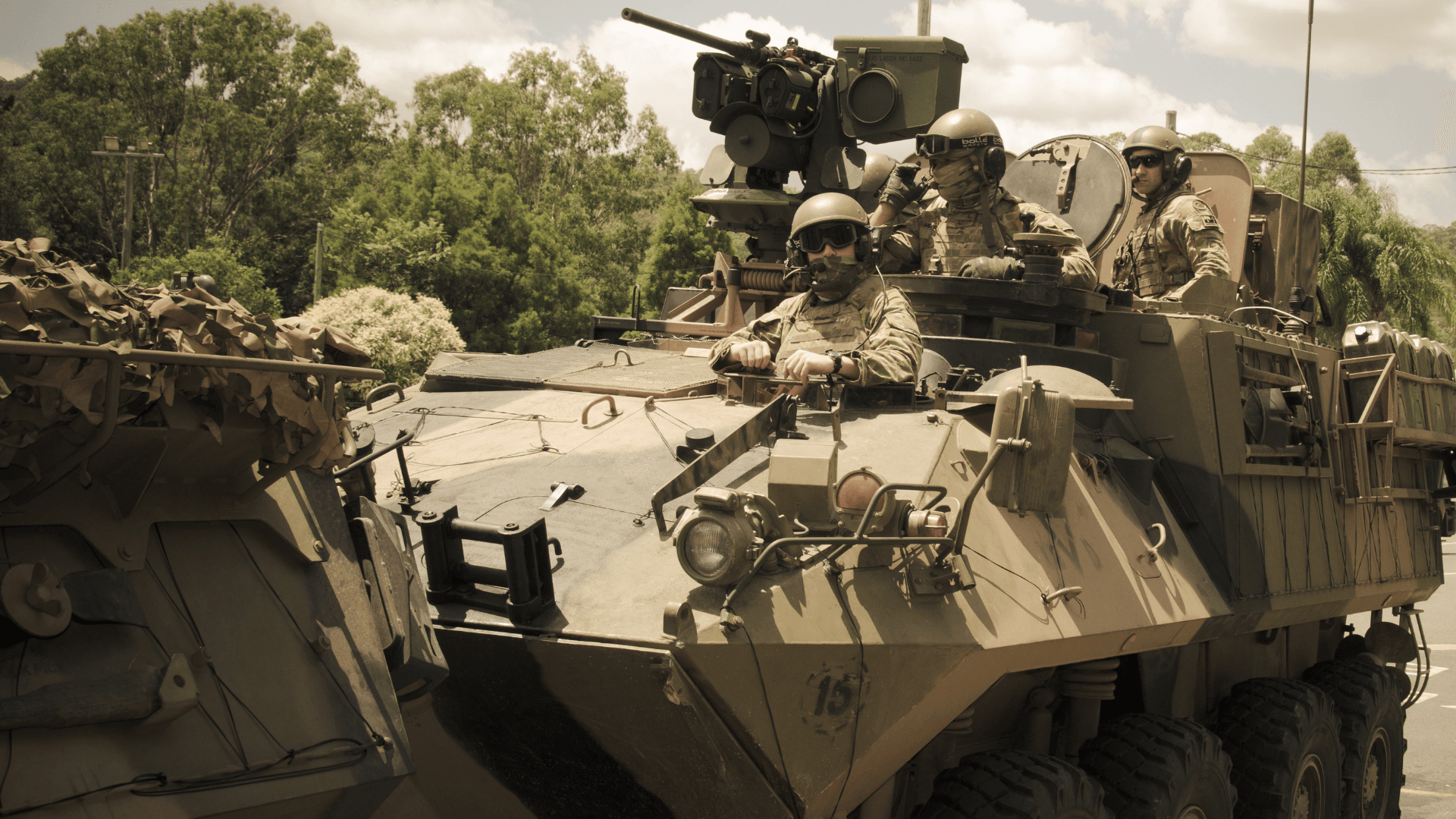
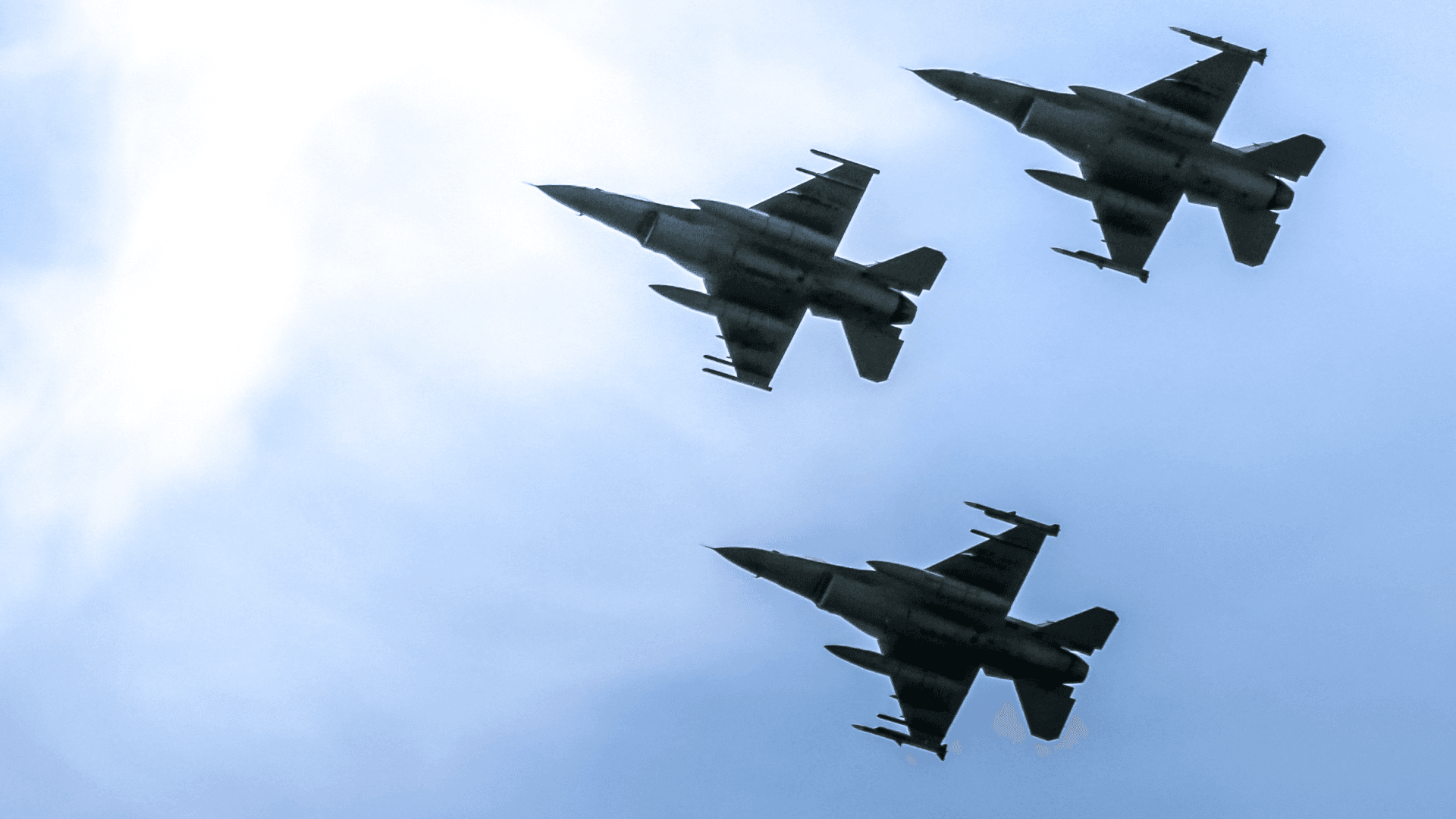
The precision ground raid, conducted under the cover of sophisticated strikes on air defence nodes, demonstrated an unprecedented level of intelligence depth and tactical mastery, ensuring that the mission was accomplished with minimal collateral damage while securing the primary targets for trial in the United States.
The Transatlantic Rift
Europe’s reaction to Operation Absolute Resolve has exposed a deep rift within the transatlantic alliance, separating strategic realists from the legalist establishment.
The “Old Europe” bloc remains deeply unsettled by the apparent disregard for the UN Charter’s principles of non-interference, fearing the emergence of a “post-law” era of American enforcement. This scepticism, however, is tempered by the prospect of a revitalised Venezuelan energy sector under American stewardship, offering Europe a pathway to complete independence from Russian gas and oil.
By contrast, in Warsaw and the Baltic states, the operation is widely regarded as a masterstroke that has effectively opened a “second front” against Russian influence.
These nations, which view the war in Ukraine as an existential threat, are prepared to overlook the unilateral nature of the strike in exchange for the tangible degradation of Putin’s financial networks; for Poland, a Venezuela purged of Russian proxy influence translates directly into a safer Europe.
The pragmatic trade-off for the EU is straightforward: it may condemn the method in the halls of the UN, while eagerly participating in the economic windfall of a stabilised Caribbean energy hub.
Crushing the Shadow Fleet
The most immediate victory is being felt in the counting houses of the Kremlin. For years, Venezuela served as the western anchor for the Russian “Shadow Fleet,” helping Moscow bypass the G7 sanctions on Russian oil. By securing the Venezuelan coast and interdicting vessels like the Hyperion, the U.S. Navy has severed a primary financial artery for Vladimir Putin.
Every barrel of oil that can no longer be laundered through Caracas represents a direct reduction in the hardware available for the Donbas front. This creates a blueprint for how a maritime power can starve an adversary’s “dark” economy without firing a shot on the European continent.
High-Stakes Global Deterrence
The “Precedent of Caracas” has fundamentally altered the risk calculus for territorial threats worldwide. In the Taiwan Strait, Beijing must now reconcile with the fact that the U.S. possesses the will to target the leadership of a hostile regime with surgical precision.
This “personalises the risk” for authoritarian leaders, reminding them that the “Trump Corollary” values security outcomes over the traditional niceties of diplomatic immunity. This deterrence extends to the Korean Peninsula and the Arctic, where the “Resource Realism” doctrine suggests that the North Atlantic corridor must remain a zone of secure, Western-aligned stewardship.
Caribbean Shockwaves
Washington’s dramatic strike on Venezuela has sent an existential shockwave through Havana. The loss of Venezuelan oil – which provided up to 40% of Cuba’s energy – is catastrophic. Cuba now faces a “Special Period 2.0,” with a total grid collapse and a humanitarian crisis. The thousands of Cuban intelligence operatives embedded in the Venezuelan state are now in a precarious position, being hunted by local factions. Havana faces the prospect of its own regime collapse as its primary financial lifeline is severed at the source.
In Guyana, the removal of the belligerent leadership in Caracas has effectively protected territorial integrity and secured massive offshore investments, signalling to nations like those in the South China Sea that the U.S. is willing to defend smaller partners against aggressive neighbours.
In Colombia, the relationship between President Gustavo Petro and the Trump administration has reached a historic low. Petro has condemned the action as an “assault on sovereignty” and militarised the border. The “clearing” of the Venezuelan narcostate will eventually benefit Colombia by removing the primary sanctuary for the ELN and FARC (Revolutionary Armed Forces of Colombia) dissidents. As Colombia moves towards 2026 elections, the U.S. expects a weary public to embrace the restoration of the bilateral partnership.
Strategic Stewardship
The U.S. commitment to “run” Venezuela involves a leadership council consisting of Secretary of State Rubio, Secretary of War Hegseth, and CIA Director Ratcliffe. On the administrative front, the council is working with Vice President Delcy Rodríguez in the interim to maintain order while coordinating with opposition leaders to ensure a judicious transfer of authority.
Simultaneously, Western majors like Chevron and ExxonMobil have been invited to rebuild infrastructure, while the administration signals it will treat China’s $60 billion in oil-backed loans as “stranded assets” accrued by a criminal regime, effectively wiping out Beijing’s strategic foothold in the hemisphere.
The “Day After”
The long-term success of the operation depends on maintaining order while the judicial process proceeds. Immediate tasks include securing energy infrastructure and unfreezing state assets to fund humanitarian relief.
Now, all eyes are not only on what’s next for Venezuela, but also on the future of Greenland. The administration’s interest in Greenland’s strategic minerals and geography is now seen as a logical extension of its move to stabilise Venezuelan oil. Just as the U.S. acted to ensure Venezuelan resources were managed by stable, pro-transparency partners, it is signalling that the North Atlantic corridor must remain a zone of secure, Western-aligned stewardship.
This is a blueprint for a new kind of intervention – judicial in justification, kinetic in execution, and market-oriented in its aftermath. Operation Absolute Resolve marks the definitive end of passive containment, reclaiming regional primacy and ensuring the Americas are no longer a sanctuary for adversarial influence.
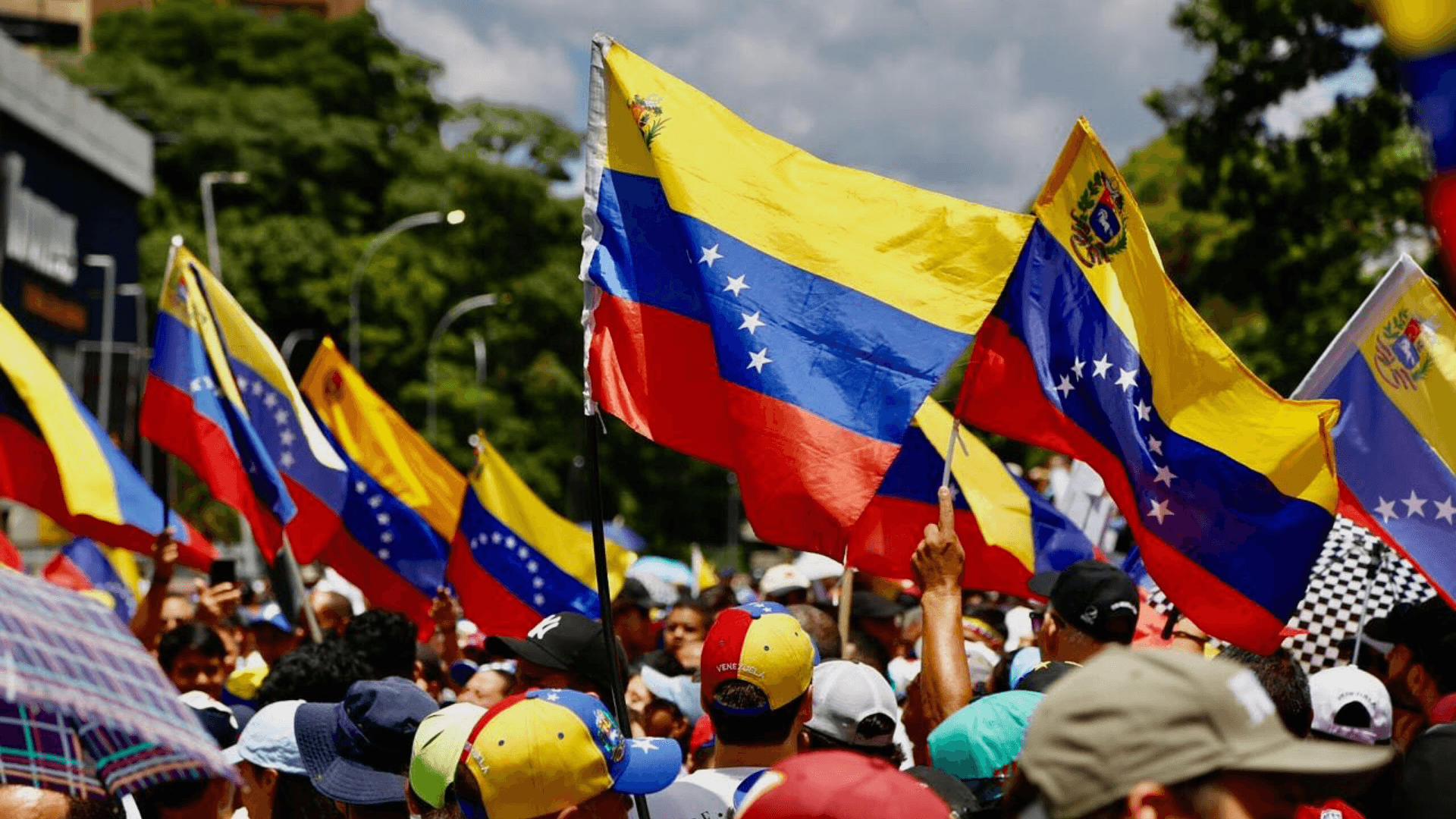
Image source: Official Instagram account of María Corina Machado, Venezuelan politician