Why Does Europe Buy 80% of Its Military Gear Outside the EU?
For decades, European countries have treated defence as a national exception. We have 27 different sets of rules, as well as different supply chains and budgets. This type of national sovereignty has a high price tag. Insisting on doing things alone made EU countries dependent on others for the tools they require for security reasons.
17 Types of Tanks vs 1
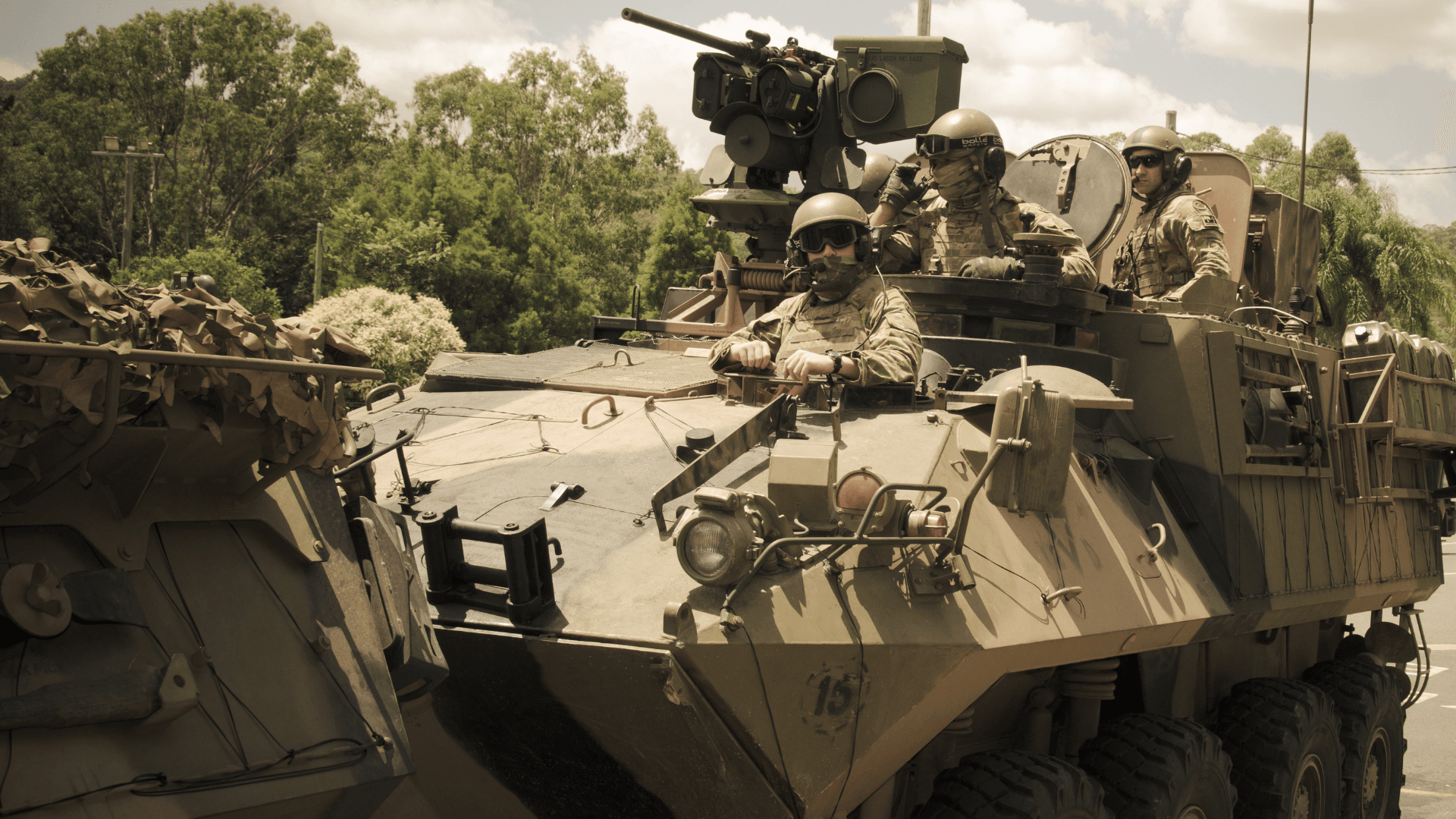
In the US, the military generally uses one type of Main Battle Tank. In the EU, there are 17. This happens because of a massive lack of interoperability. When equipment cannot be used interchangeably or share the same spare parts, it drives up costs and slows down response times. Fragmentation becomes both an industrial headache and a security risk.
Moving towards a Single Market
The EU’s goal for 2030 is fairly simple, but also very ambitious:
Spend Together: Aiming for 40% joint procurement.
Buy European: Targeting 50% of defence budgets spent on gear made within EU.
Trade Internally: Boosting trade between EU Member States to 35% of the total market value. The point is making it as easy to sell a drone from country A to country B as it is to sell a bottle of wine.
The Money Behind the Idea
There are actual hard ideas that will help the EU reach its single defence market. First of all: Security Action for Europe. €150 billion in low-cost loans is now available as a part of the SAFE initiative. The first payments are reaching countries such as Romania and Spain this month. Secondly, the European Defence Industry Programme is now helping companies across borders to build responsive production lines so that the continent is not caught off guard in times of crisis.
National Secrets
There is a rule in the European Union law, contained in Article 346 of TFEU, that lets countries skip the usual open-market rules for “essential security interests”. The main idea behind the rules is to protect secrets, but, in reality, it’s often used to protect local jobs. Transitioning to a single market means asking Member States to trust their neighbours as much as they trust their own factories. That represents a big cultural shift.
New Industrial Revolution
This shift, together with this month’s Industrial Accelerator Act, is about strategic autonomy. Building a single market inside the EU means much more than just buying tanks. For example, it means securing high-tech jobs, boosting R&D in AI and semiconductors, and, maybe even most importantly, ensuring that Europe’s economy can survive global shocks on its own, without relying on external suppliers.
Efficiency is the Key
A single defence market will ensure that the European defence industry is fast enough, big enough and smart enough to keep the peace. In today’s age, being sovereign and self-reliant might actually mean being more integrated.