Even the most qualified geopolitical and economic experts are struggling to define what is going on with the Strait of Hormuz and what the consequences of its closing and opening are. This week, we are attempting to analyse the situation in the Gulf realistically and look for solutions that are likely to happen in the near term.
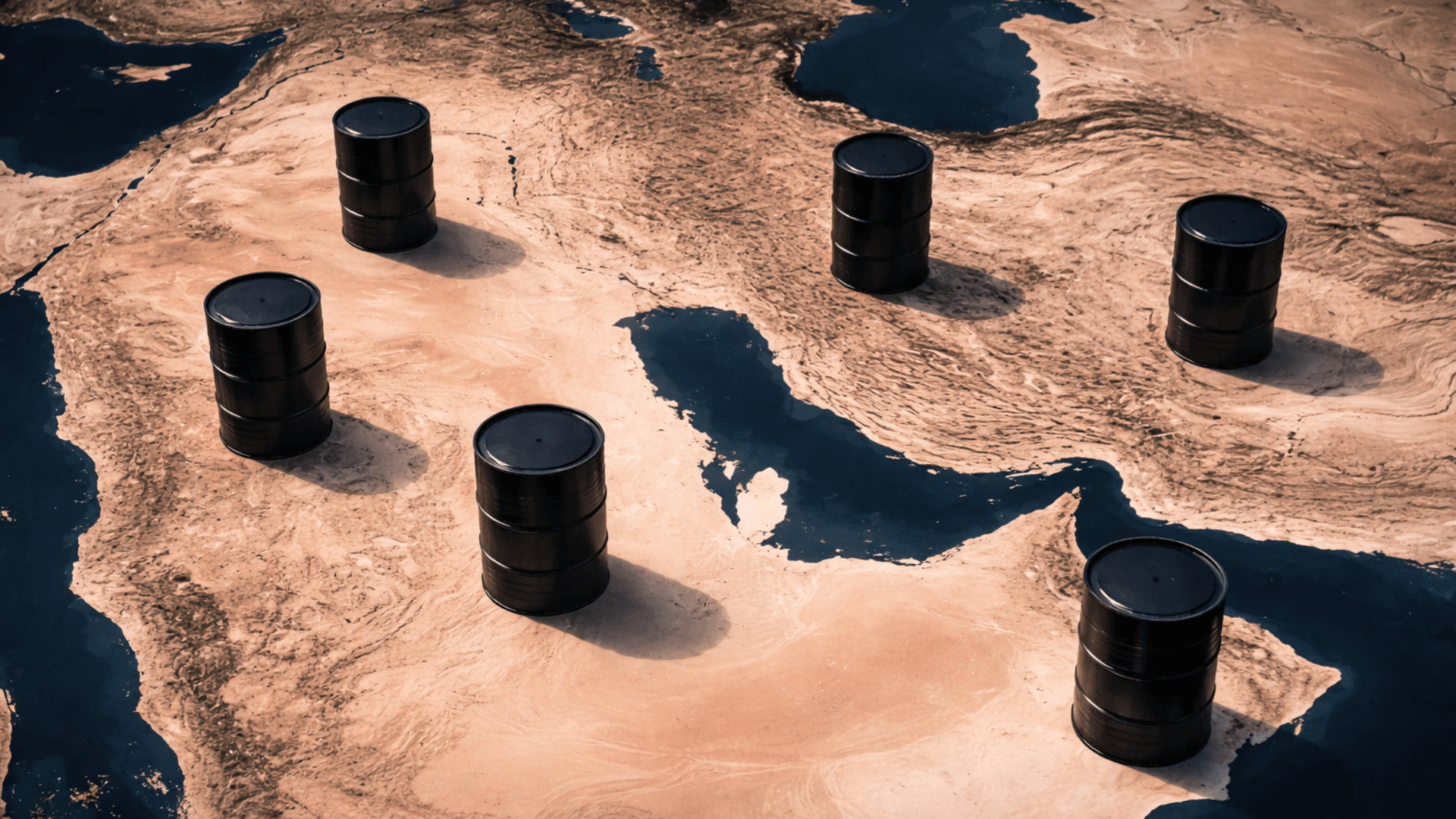
Geopolitical turbulence in Europe’s immediate neighbourhood has created a change in the political landscape worldwide, and the most scrutinised region in the world remains several square kilometers of water in the Strait of Hormuz. Following the unprecedented closure in early March, the global market has been forced to confront a reality that was once only a worst-case scenario in textbooks. While recent days have brought conflicting reports of a partial reopening or a closing by both Iran and the US, the situation remains fluid. To understand why this narrow passage holds the global economy, it is important to look beyond the geography and into the mechanics of risk and security.
The common misconception is that the Strait of Hormuz operates like a simple gate which is either open or closed. In reality, opening the Strait for commercial traffic is a two-step process: physical clearance and the sense of security. Even if military tensions subside and a cessation of hostilities is announced (which seems unlikely in the wake of US capture of Iranian boats and Iranian drone strikes on American vehicles) the Strait does not automatically become open. The primary obstacle is the insurance and maritime risk sector. During the peak of the March conflict, the geopolitical risk premium on oil reflected the fact that most commercial tankers could quite literally not obtain insurance to enter the Gulf. For a ship to sail, the insurance markets (such as Lloyd’s) must be convinced that the risk of hull damage from mines or missile strikes is negligible. Currently, the market is pricing in a permanent risk state, meaning that even as traffic begins to flow, shipping costs remain significantly higher than pre-March levels.
The Security Dimension and Market Expectations
For the security of the Strait to be fully restored, there are several key indicators to be considered, first of which is de-mining certification. Shipping lanes need to be swept in a verified way to ensure that they are clear of “sleeper” mines – this process will likely necessitate a multi-national effort. Furthermore, the end of signal jamming that began in March is needed to ensure the stability and make navigation through the narrow channels less dangerous. A formal diplomatic agreement that civilian LNG and oil tankers will be treated as neutral actors would be the one of the last and most important steps in stabilising the trade in the area, although this possibility seems far away from the current perspective.
Cheap transit through the Gulf is likely over for market players. Even with a full reopening, energy is likely to be transported differently from now on. The $120$–$130$/bbl peak in March has accelerated the REPowerEU 2.0 framework. Markets are no longer viewing the Middle East as a secondary source instead of a reliable, primary source. Significant capital is now flowing into pipelines that bypass the Strait entirely, such as the East-West Pipeline in Saudi Arabia and the Habshan–Fujairah line in the UAE. The exit strategy for most industrial actors and businesses across all sectors is electrification. As long as the Strait remains a wild card, the ROI on alternative power sources such as nuclear or solar includes a security discount that fossil fuels are less likely to provide today.
We will likely see some partial opening in the next several weeks with the essential commodities moved under naval escort first, followed by a slow return of general cargo. However, the days of the Strait being silent infrastructure are behind. For the foreseeable future, every barrel of oil passing through those waters will carry the cost of the security required to keep it safe.