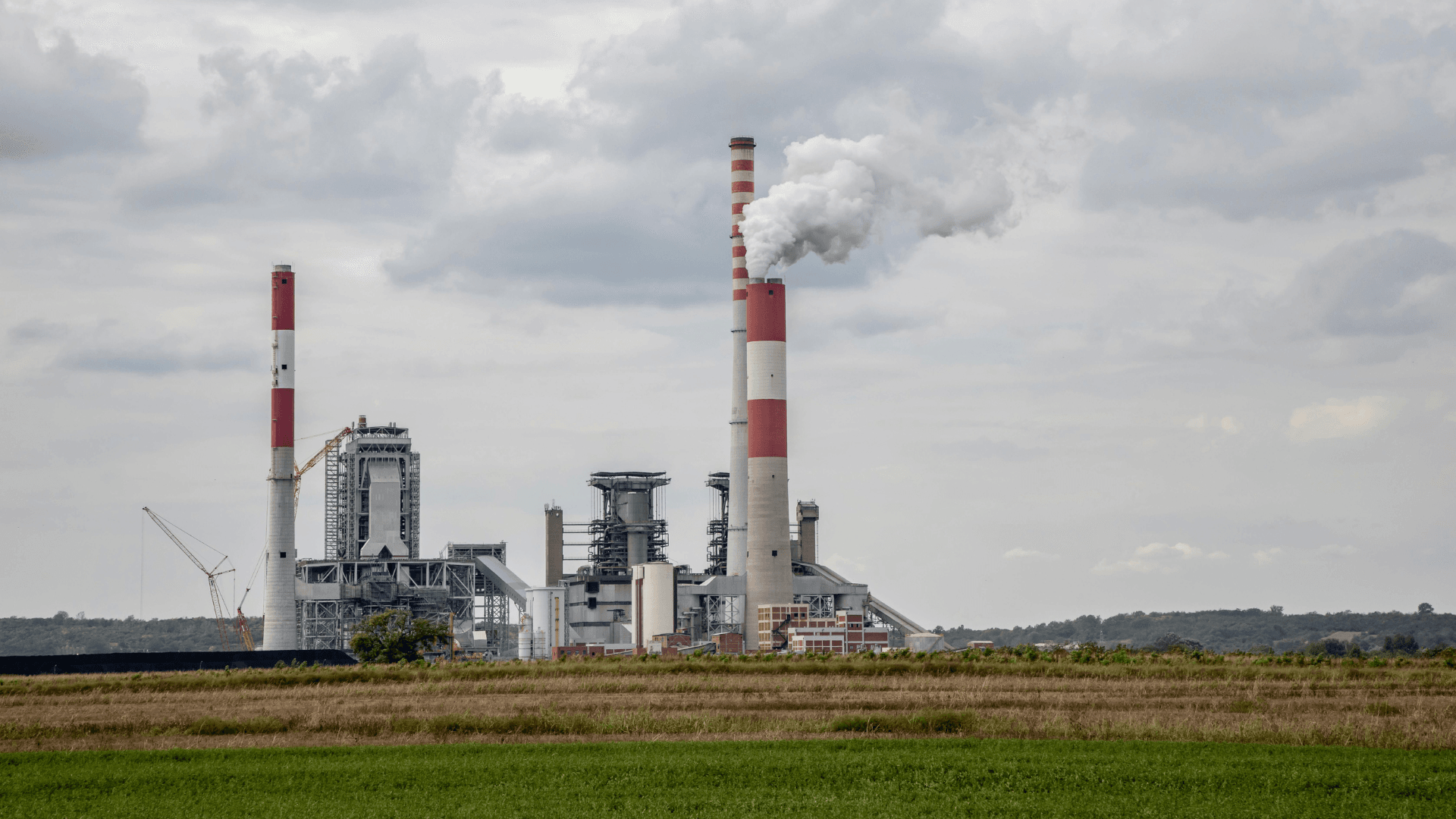
People tend to think of the energy transition as happening in the distant future, and a futuristic image of modern wind turbines and smart homes may come to mind. The reality is that our modern lives right now are supported by a foundation of vintage hardware, to say the least. Much of the critical infrastructure in Europe was built decades ago, and it’s slowly reaching its limits.
In many parts of the EU, the transformers and substations that keep the lights on date back to the 1970s or, in some cases, even earlier. Recent developments show that this problem easily transcends the simple maintenance inconveniences and very quickly becomes a national security issue. These legacy systems are harder to repair as their parts are no longer mass-produced as they were back in the day. They were designed for a world that was predictable, and not for an era of climate extremes or modern geopolitical pressure in which we happen to be living today.
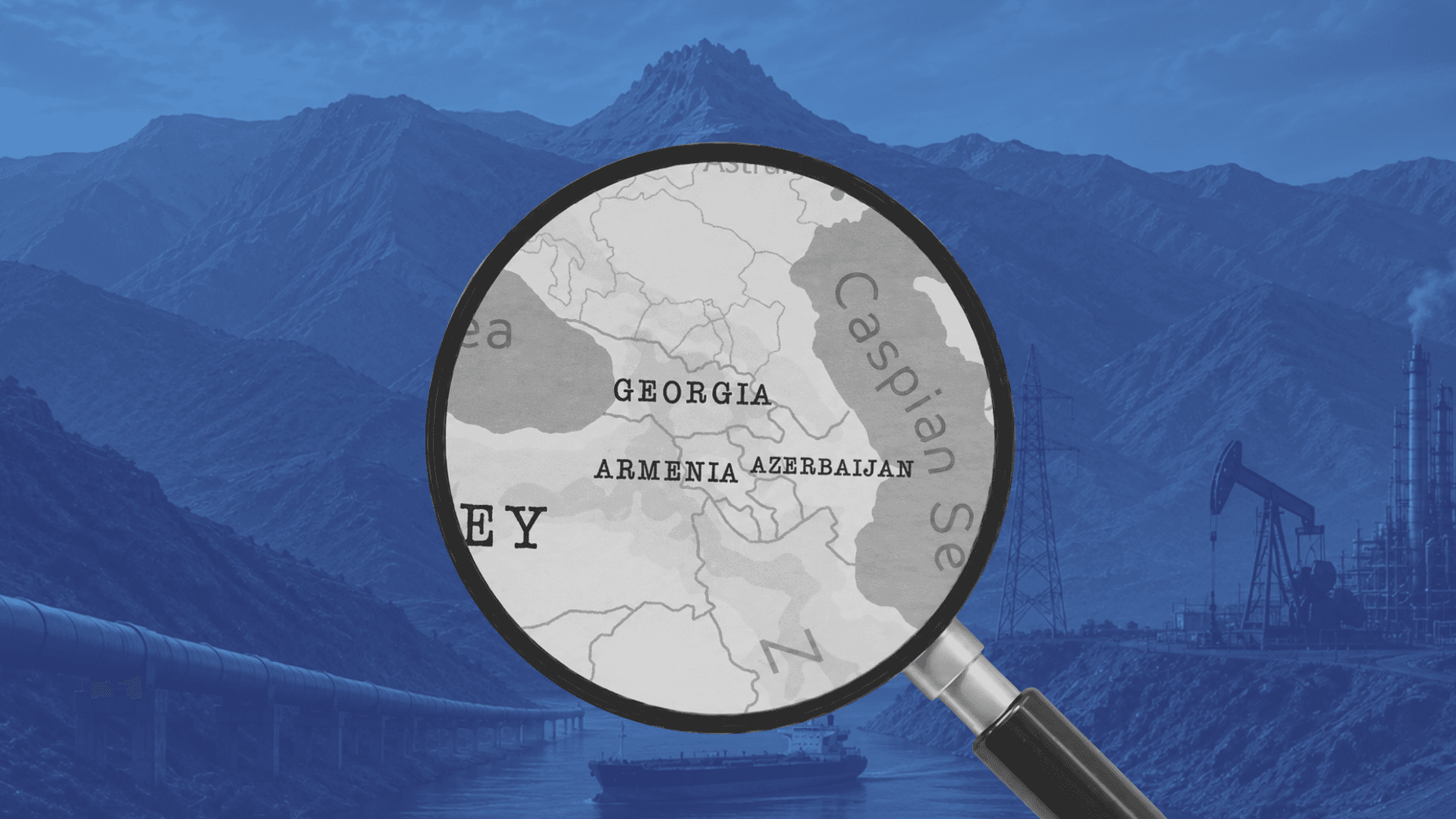
Here is where it gets complicated: for years, people prioritised efficiency over resilience. The countries optimised our energy systems to be as affordable and cost-effective as possible, often relying on energy from foreign actors without thinking of the consequences of such approach. This created a deep dependence on external suppliers for the gas and oil needed to run these aging plants. What the European countries did is they decided that low energy bills in the present are more valuable than a potential safety net in the future.
The recent winters in Ukraine provided a look at this vulnerability. Alongside a fuel shortage, the situation was critical because Russian forces systematically attacked the physical nodes of the electricity grid, such as transformers or substations. Because most of Ukraine’s energy grid runs on a specific Soviet-era voltage standard, modern Western equipment often couldn’t be applied directly. Engineers would need to search for the old equipment and spare parts that are several decades old because the same products are not mass produced anymore. This technical mismatch made it difficult to provide constant heat and water supply to the population even with international aid, which created a national issue, especially in sub-zero temperatures.
This crisis showed the European countries how energy dependence and aging hardware can be used as a strategic lever against a nation. Building natural immunity against the foreign threats, such as cyber-attacks, sabotage or possible aerial strikes are the key to increasing resilience and national security.