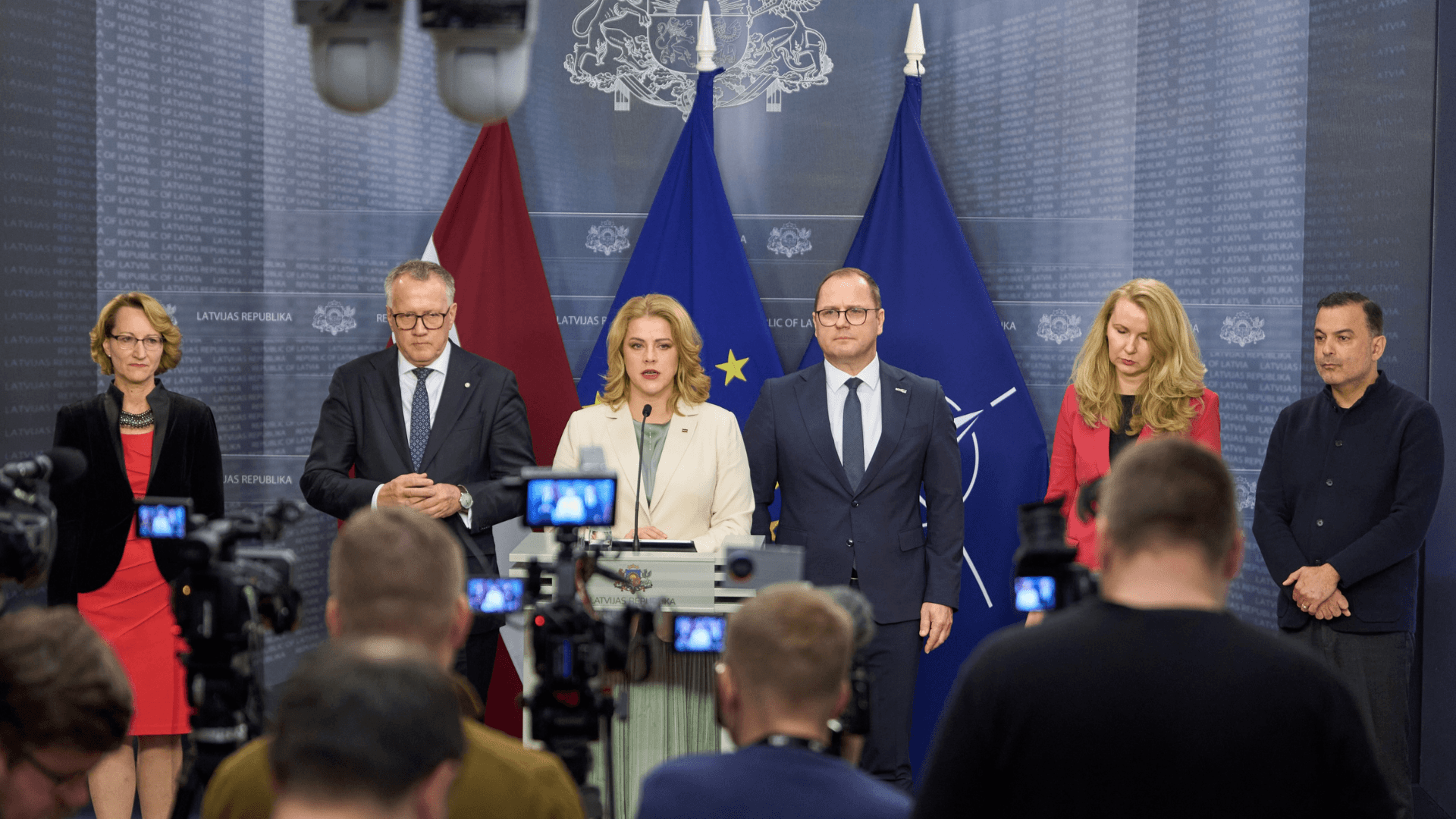
The resignation of Latvian Prime Minister Evika Siliņa on 14 May represents a collapse of the ruling coalition which was caused by a national security error and loss of internal political trust. The crisis arose from the incident that occurred on 7 May, when multiple unmanned aerial vehicles entered Latvian airspace from Russia. One drone crashed into an oil storage facility in Rēzekne, exposing significant vulnerabilities in the country’s defence infrastructure. Military detection systems failed to identify the threat, and public cell broadcast warnings were delayed by nearly an hour.
The security failure was just the beginning. Defence Minister Andris Sprūds, member of the left-leaning Progressives, was forced to resign earlier this week following the Prime Minister’s public statement that he had lost her trust. The Progressives subsequently withdrew from the government and accused Siliņa’s New Unity party of prioritising political maneuvers over solidarity. This move made the government lose its parliamentary majority and made the PM’s resignation inevitable.
With parliamentary elections already scheduled for October 2026, Latvia now faces a volatile period. The most likely outcome is a temporary government led by a technocrat or a consensus figure from the current majority to ensure stability until the October vote. Nonetheless, the opposition parties, including the conservative parties National Alliance and the United List, have expressed readiness to lead a transitional government. This would signal a shift toward more hawkish defence policies and stricter border control. The immediate risk remains a frozen legislative process – key infrastructure projects such as urgent air-defence upgrades may slow down as parties start campaigning five months early.
For the Baltic region, this instability could be a strategic concern. The drone incidents have demonstrated that hybrid threats can successfully trigger internal political crises. The key issue to follow will be whether the next administration can restore public confidence in the promise of safe skies before the autumn elections.
Image source: Official Instagram account of Evika Siliņa