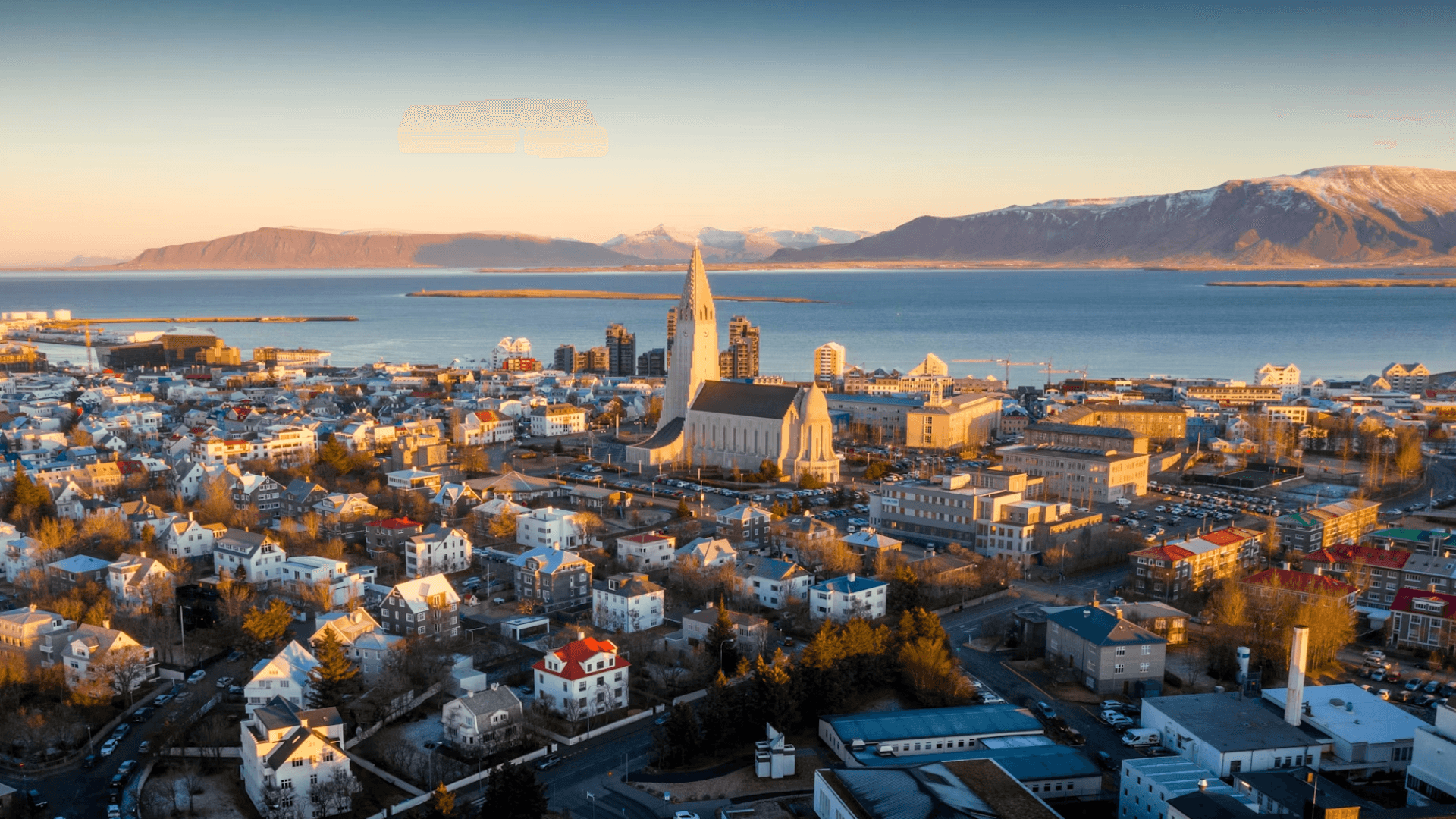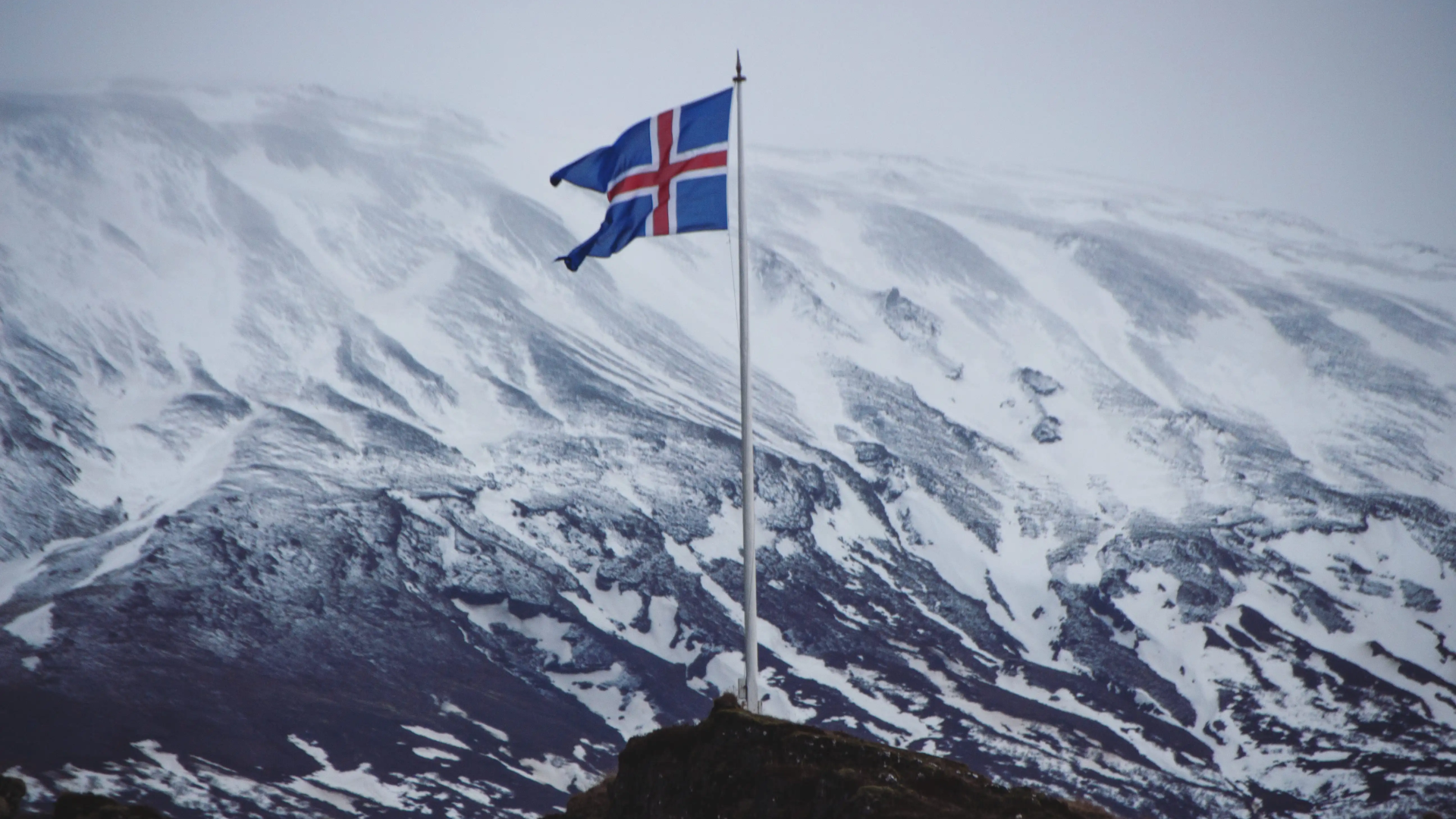
on July 27 Iceland opens the pooling station asking citizens to decide if they want to restart negotiations with the EU over a possible accession to the block or no. A vote that could change Europe.
On 27 July, Iceland opens voting in a referendum that could mark the beginning of a new chapter in its relationship with the European Union. Contrary to what many headlines suggest, Icelanders are not voting on EU membership itself. Instead, they are being asked whether the government should reopen accession negotiations that were abandoned a decade ago. The process will last a month and the final voting day is August 29.
While procedural in nature, the vote has become a proxy for a much broader debate over Iceland’s geopolitical future.
In 2015, when accession talks were formally abandoned, the discussion was largely driven by economics and domestic concerns, particularly the protection of Iceland’s fishing industry. And while the geopolitical environment surrounding Iceland has deeply changed in the past 11 years, fishing remains one of Iceland’s most important economic sectors and all the Nordic governments have refused to compromise on exclusive control of territorial waters. Any future accession agreement perceived as weakening these protections would almost certainly fail in a subsequent ratification referendum.
However, recent signals from Brussels suggest that the European Commission may be prepared to explore tailored arrangements, potentially removing what has historically been the single largest obstacle to membership.
A partnership that isn’t enough anymore?
Unlike other enlargement candidates, Iceland already participates in many elements of European integration. Through the European Economic Area, it is part of the Single Market. It also belongs to Schengen and already applies a significant share of EU legislation. For this reason, experts estimate that much of the technical work required for accession has already been completed, making Iceland one of the most advanced potential candidates.
The political context, however, has changed even more dramatically than the institutional one.
Russia’s growing military activity in the Arctic, increasing competition over northern shipping routes and critical resources, together with renewed uncertainty surrounding the future of the transatlantic alliance, have transformed Iceland from a geographically isolated island into a strategically indispensable territory. Positioned along the Greenland-Iceland-United Kingdom (GIUK) gap, Iceland remains one of NATO’s most important locations for monitoring North Atlantic maritime activity despite maintaining no standing armed forces of its own.
At the same time, Trump’s administration renewed focus on Greenland has inevitably brought Iceland into the broader strategic conversation. Discussions surrounding Arctic security, combined with increasingly transactional debates on alliances and defence commitments, have reinforced the perception among many Icelandic policymakers that geography can no longer be considered a sufficient guarantee of security, such as Nato common defense policies and keep Iceland an independent country.
These developments appear to have shifted public opinion. Recent polling indicates an almost perfectly divided electorate, with approximately half of voters supporting the resumption of negotiations with the EU to join and the remainder opposing them. Even if the current referendum produces a positive outcome, a second national referendum would still be required before any EU accession treaty could enter into force.
Is the EU still attractive to economically stable countries?
For the European Union, Iceland presents a distinct enlargement scenario compared with current candidates such as Moldova, Ukraine, Montenegro, and Albania. It is a mature democracy with strong institutional standards, minimal corruption, robust public finances, and broad alignment with European regulations, and it is economically more stable than most EU members. Rather than needing extensive reforms, Iceland would mainly negotiate exemptions and implementation methods in a few politically sensitive areas.
While Iceland follows the same EU access process as eastern counties seeking entry, the path may proceed more quickly and smoothly. If Iceland votes in favor, accession talks could resume before year’s end; its strong regulatory alignment, lack of corruption, and robust legal system might allow membership before 2030.
From Brussels’ perspective, Iceland would strengthen the Union’s Arctic presence, reinforce NATO-EU cooperation in the North Atlantic and add another highly competitive economy to the Single Market. Politically, a successful accession would also demonstrate that enlargement remains an attractive strategic instrument for stable democratic countries, not exclusively a geopolitical response to conflicts on the EU’s eastern borders.
Nevertheless, significant political discussion remain in Reykjavik. Icelandic scepticism toward transferring sovereignty to Brussels has not disappeared, particularly regarding fisheries, monetary policy and regulatory autonomy. The pro-independence block continues to argue that Iceland has benefited from remaining outside the Union, framing accession negotiations as an unnecessary concession rather than a strategic opportunity. The coalition government is also split in half, and the Prime Minister Kristrún Frostadóttir, tried to balance these competing narratives, insisting that negotiations—if resumed—would proceed only under terms that adequately protect Iceland’s national interests.
Although the vote concerns only whether negotiations should restart, its political significance extends well beyond Iceland and it will be a test on whatever European Union is still attractive for rich and stable countries or it is only a viable future for countries that will have a real economic benefit.