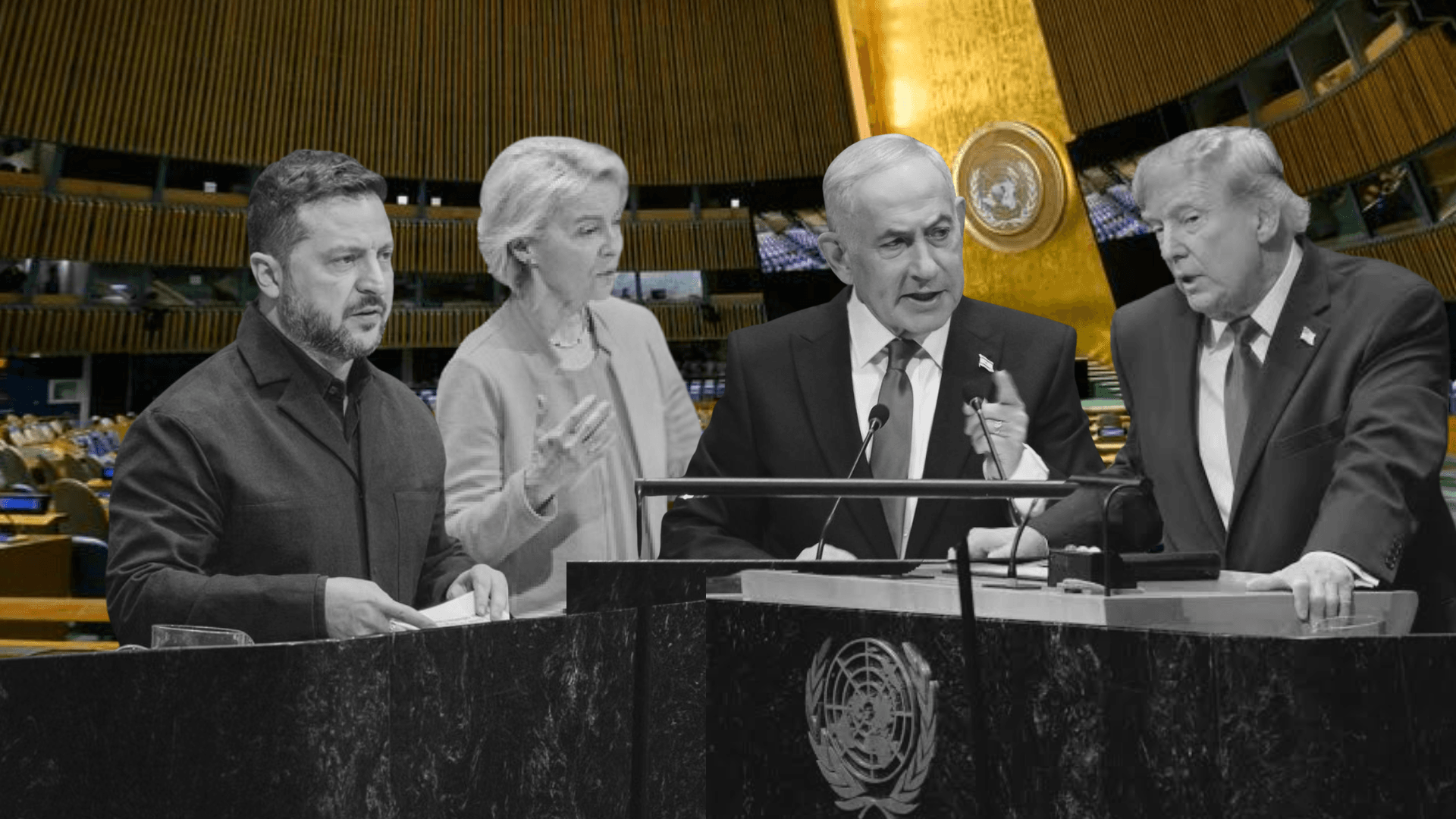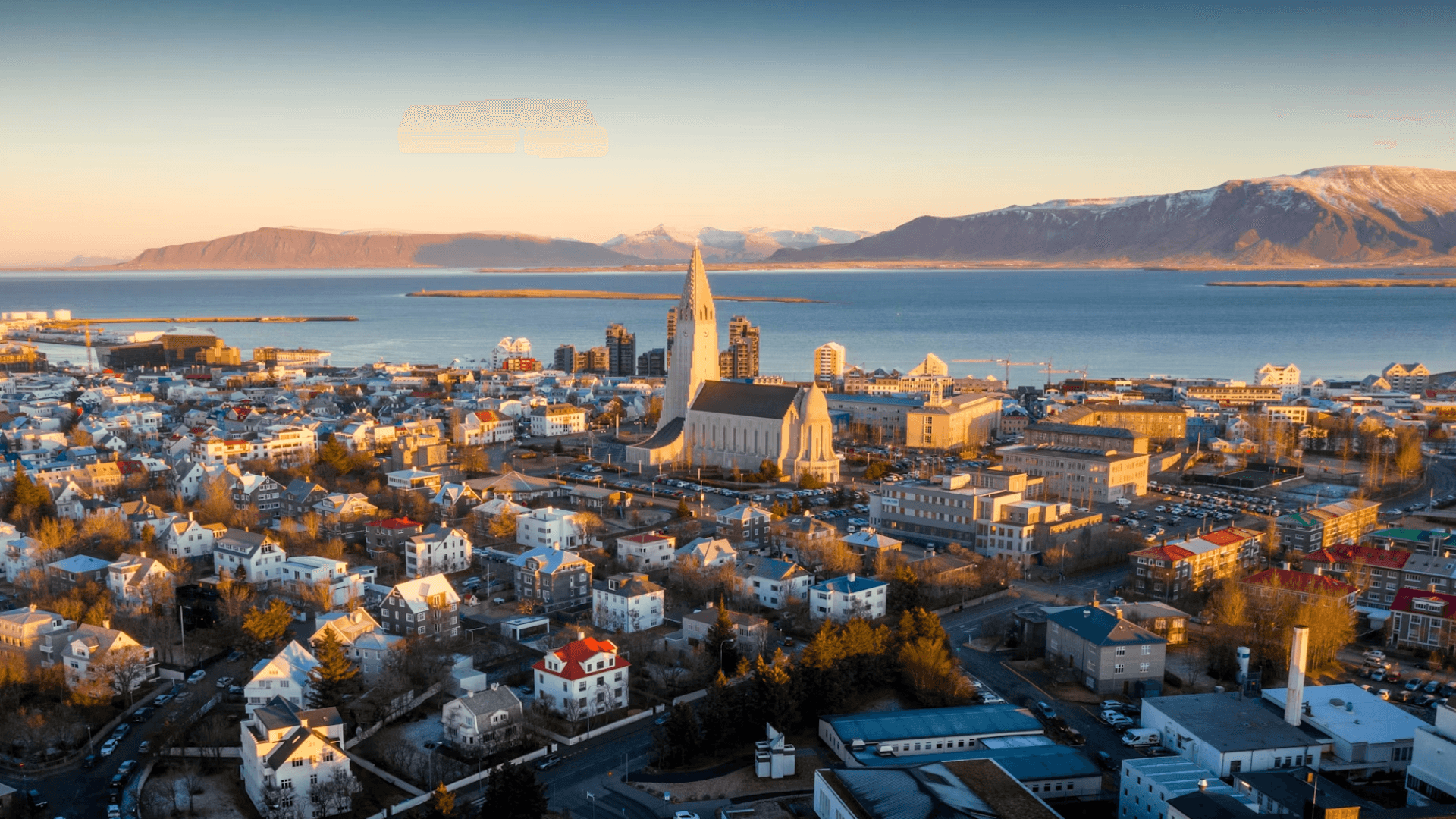
As Iceland’s EU membership bid remains stagnant after the referendum, the voters decided to prioritise its fishing industry and national sovereignty over the security guarantees that the bloc accession would carry.
On 29 August, Icelanders were asked a narrow procedural question, whether to reopen EU accession talks that the island abandoned in 2013. The turnout reached roughly 82.5% – 52.8% voted against reopening negotiations and 47.2% in favour, with a small margin that could have gone either way until the final count. Reykjavik was the only part of the country where a majority backed reopening talks, underlining how much of the “no” vote was concentrated outside the capital city.
Gone Fishing
The government of Prime Minister Kristrún Frostadóttir framed the vote as a chance to confront Iceland’s economic and security pressures from persistent inflation and high interest rates to a more uncertain Arctic security environment. Opposition figures, led by Gudrún Hafsteinsdóttir, countered that Iceland’s problems were domestic in nature and would not be solved by Brussels, focusing their campaign mainly on fishing. That argument proved efficient in mobilising the voters. Fisheries account for approximately 15% of Iceland’s GDP and roughly 40% of export revenue, and opponents successfully framed EU membership as an existential threat to that industry. The sceptics warned that the bloc’s common fisheries policy would eventually open Icelandic waters to other European ships. Despite the country’s fishing sector shrinking as a share of the economy over the past three decades, the emotional and political weight attached to controlling those waters managed to outweigh both the economic case for membership and the heightened security anxieties of the past year.
Those anxieties were real. Iceland is a founding NATO member with no standing army, dependent on a 1951 bilateral defence agreement with the United States and on its position on the GIUK gap (the North Atlantic corridor between Greenland, Iceland and the UK) that has made the island strategically crucial. Trump administration’s repeated ambitions toward Greenland, including his suggestion the US would acquire it one way or another, and a series of public remarks confusing Greenland with Iceland itself, injected unease into the campaign. Yet the referendum result suggests that unease was not enough to override decades of scepticism toward Brussels – if anything, the government’s attempt to connect EU membership to security reassurance appears to have failed to persuade a majority of voters that the two issues were connected closely enough to matter.
Closing the Doors
For Iceland alone, the immediate practical impact is limited. The country remains deeply integrated into European structures through the European Economic Area and Schengen, giving it access to the EU single market and free movement without the obligations of full membership, and none of that will change because of the referendum results. Frostadóttir has pledged that the EU question will not return to the political agenda for the rest of her government’s term (until 2028), while leaving parliament to decide separately whether to formally withdraw Iceland’s 2009 membership application altogether. The divide in Icelandic politics between those who see EU membership as economic and security insurance and those who see it as an unnecessary surrender of sovereignty over fish and monetary policy, has not been resolved, and it is not impossible to imagine new initiatives for the Iceland’s EU membership in the years or decades to come.
For the EU, the result is relatively disappointing. Iceland was, by most metrics, the most straightforward accession candidate the bloc has faced in years. The island is a wealthy democracy with low levels of corruption which is already applying much of EU law through the EEA, and little of the institutional reform burden that candidates like Ukraine, Moldova or the Western Balkan countries are facing. A “yes” vote would have let Brussels demonstrate that enlargement remains attractive to stable and prosperous democracies choosing the EU on its own merits, and not only to countries seeking protection from war or economic uncertainty. The Arctic dimension compounds the loss. As melting sea ice opens new shipping routes and intensifies competition over critical minerals, Iceland as a Member State would have given Brussels a stronger base in a region where it currently has little to none of its own.
What Comes Next
For Iceland, the most consequential question in the near term is strategic: how the country manages its security without either EU membership or full confidence in the durability of its American defence guarantee. Reykjavik is likely to lean more into Nordic defence cooperation and its ties with the UK, alongside continued reliance on NATO and the US bilateral pact, even as Trump’s rhetoric toward Greenland keeps that relationship under strain. That leaves Iceland in an unusual position – the country is too small to credibly build independent defence capacity, unwilling to trade fisheries control for security guarantees, and increasingly uncertain about the reliability of its largest security partner. How parliament handles the 2009 membership application in the coming months will be an early signal of whether this result is treated as final or just postponed.
Iceland’s fishing industry, financial services and exporters operating through the EEA face no immediate regulatory change, and the currency and monetary policy questions that worried the “yes” campaign (persistent inflation and a volatile local currency), remain exactly where they were before the vote, unresolved but also unchanged. The clearer effect is on the planning front. The companies and investors who had been watching Iceland as a potential future EU entry point, whether for Arctic shipping or critical minerals, can now assume that door stays closed for at least the next several years, and quite possibly longer, given how narrow this week’s result actually was. As far as the EU’s own enlargement strategy is concerned, the lesson could be uncomfortable. If a low-risk candidate that is highly aligned with the EU can’t be persuaded to join even in the times of security anxiety, the bloc’s pitch to other prosperous democracies considering membership may not be easy. Additionally, this referendum will likely be used by eurosceptic figures within EU Member States to fuel the narrative that the national states have overcome the need for the European Union, especially as several countries are facing legislative elections in the next year.