Last weekend’s election in Sweden gave a narrow edge to the centre-left, though the outcome may shift over the coming days. We can examine what occurred and what lies ahead.
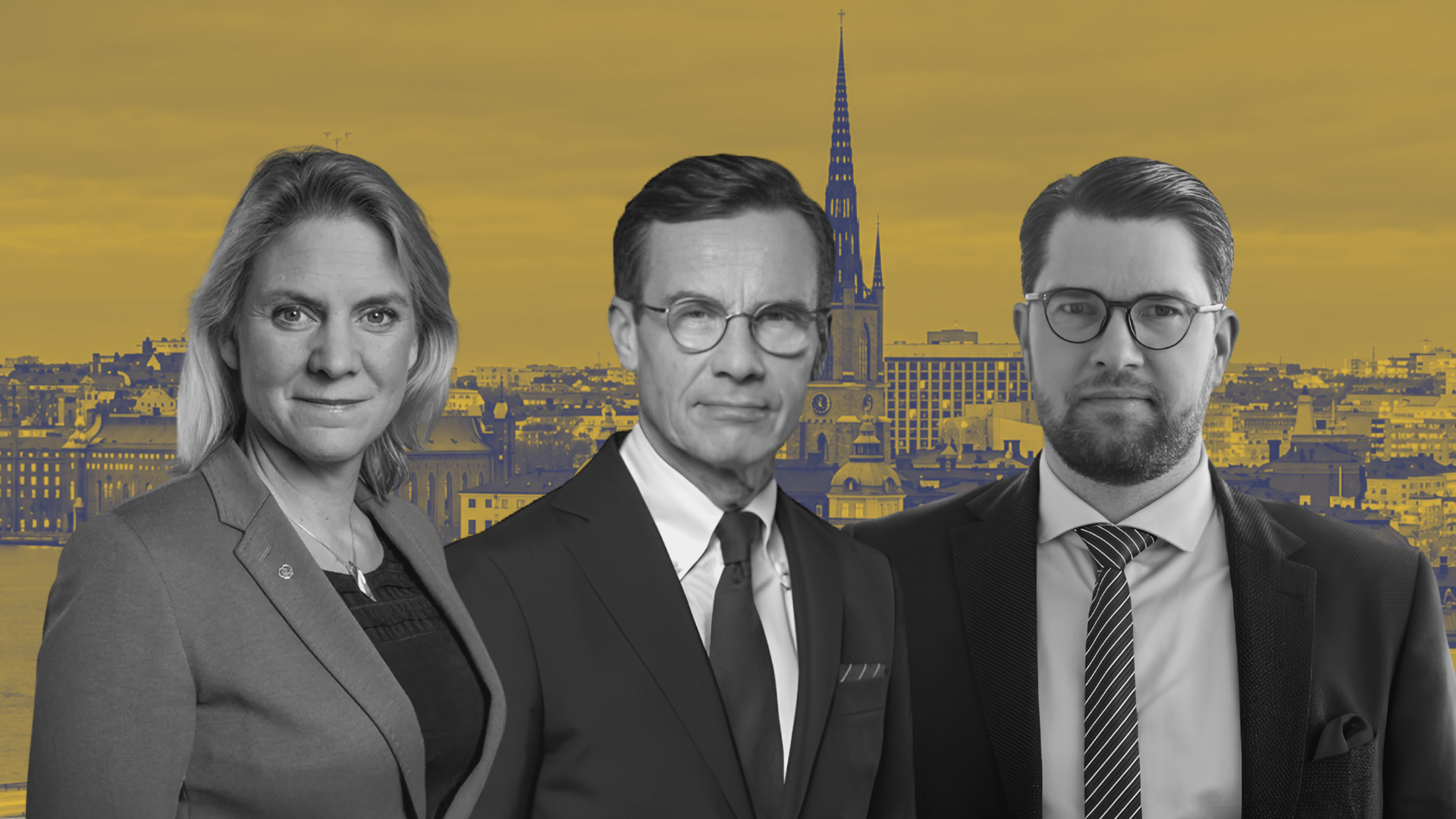
In every poll before the vote, the centre-right Moderata—linked to the EPP at the EU level and to the prime minister—were expected to lose up to 11 seats. The Sweden Democrats, aligned with Patriots, were forecast to gain seats and enter government for the first time. That did not occur. Moderata maintained their position and gained 4 seats, the Social Democrats lost only 3 seats, matching their weakest result since 1918, and the Sweden Democrats faced a notable setback losing almost 11 seats. The key question is why voters responded so differently to the three parties.
Why the Moderata Held Their Ground and the Sweden Democrats Lost Support
Moderata’s outcome suggests that governing with the Sweden Democrats has not automatically cost them their base. Prime Minister Kristersson has kept support from voters seeking a centre-right administration, even if they are not fully pleased with its performance. Moderata also gains from being an established party with a defined role in government. For those wanting stricter immigration and crime policies, they provide a route to back that direction without choosing the Sweden Democrats. The Sweden Democrats have long promoted immigration and security as central themes in Swedish politics. Once these issues enter the mainstream, the party loses some distinctiveness. Moderata and other parties can now contest policies once tied to the SD while presenting themselves as more conventional governing choices. The Sweden Democrats have faced the consequences of joining the governing arrangement, even while backing the document without a minister. Criticising the establishment from opposition is one matter; supporting a government and accepting responsibility for its choices is another. The party’s influence has expanded, yet this growth has made it harder to separate from the government’s difficulties. Its decline reflects how the Moderates and Liberals secured Sweden and addressed immigration, reducing the appeal of voting for the SD.
The Social Democrats’ Resilience and the Challenges Ahead
The Socialists, meanwhile, have limited their losses. Their outcome falls short of a return to traditional dominance, but they remain Sweden’s largest political force. Many voters still link them most strongly with the welfare state and public services. At the same time, party leader and former prime minister Magdalena Andersson has adjusted to the debate on immigration and crime, calling for tighter borders and fewer welfare benefits for immigrants rather than reviving European Social Democratic positions on immigration and borders. This shift helps explain their continued competitiveness in a tough environment. Although the Social Democrats have not reclaimed voters who shifted right, they have kept a broad enough base to stay the largest party. Their task now is converting that support into a workable parliamentary majority, given the varied priorities of potential partners.
Coalition Uncertainty and the Future of Swedish Politics
The parliamentary result offers little room for political manoeuvring or games; late votes and ballots from Swedes abroad could still shift the majority or narrow the outcome further. The centre-left’s slim lead does not ensure a smooth return to power, while the right faces a weakened Sweden Democrats and the prospect of a minority government. The ensuing negotiations will likely exceed expectations and could prompt new elections soon.
The larger point is that Sweden’s new political landscape persists. Immigration, crime, and security stay central to the debate, and established parties have adapted accordingly. What has shifted is the balance of support within the right. The Moderata have demonstrated that traditional centre-right can still win, while the Sweden Democrats have found that broader influence does not guarantee ongoing electoral gains; their 2022 performance reflected frustration that traditional parties had not addressed Sweden’s core problems.
Swedish elections suggest Russian influence is not as strong as anticipated. Following Alternative für Deutschland’s success in Germany’s regional parliamentary elections, concerns arose that a Russian-backed party, such as the communist party, might gain ground in Sweden. This did not occur, which could serve as an eye-opening moment for traditional moderate parties on the centre-right or centre-left. If they respond to the issues citizens consider important, the public may avoid shifting toward the extremes.