
Europe’s Trade Tensions with China and the Search for Strategic Alternatives

Today, China remains a major trading partner for the EU, but the scale of the bilateral trade imbalance, alongside European concerns about industrial overcapacity and state support, has intensified pressure on Brussels to respond. On 9 October 2026, European Trade Commissioner Maroš Šefčovič announced a breakthrough in negotiations with Beijing. The two sides reached a […]
The Brussels Radar: Sanctions, Enlargement and EU Cohesion
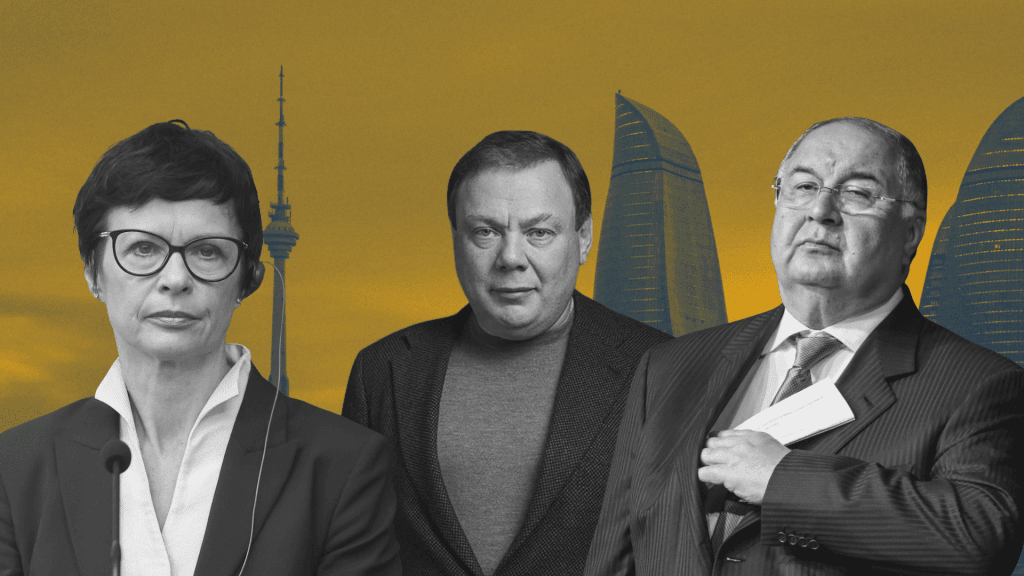
On eleventh-hour unanimity compromise, Brussels agreed to delist prominent Russian billionaires Alisher Usmanov and Mikhail Fridman in exchange for locking in the wider Russia sanctions framework on a 36-month review cycle. Concurrently, the European Commission is advancing accession plans for candidates like Ukraine, Moldova, Montenegro and Albania, pairing market integration with unprecedented institutional and internal-market […]
The Return of Geopolitics
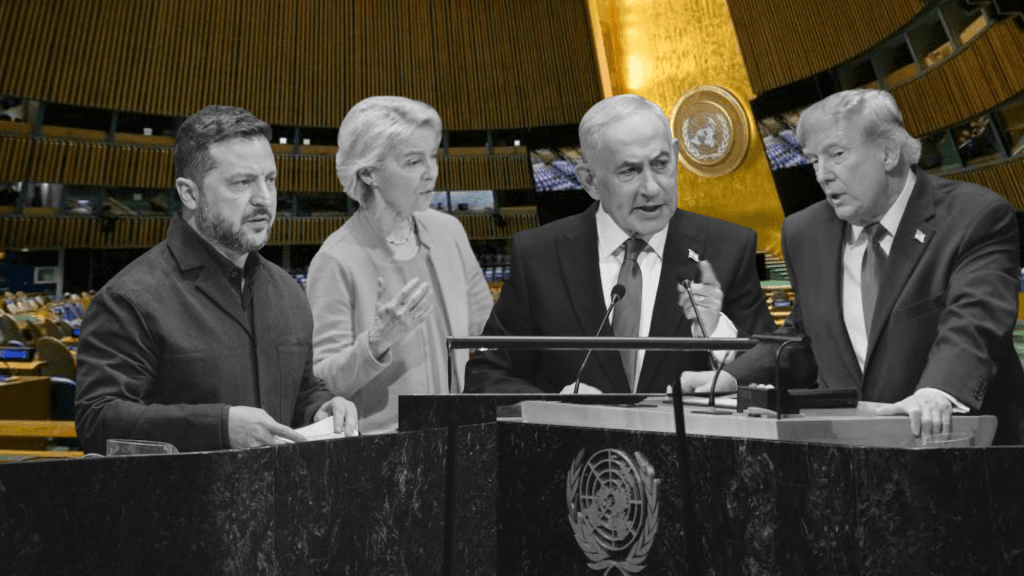
This year’s United Nations General Assembly has been unusually revealing, not because it produced a major diplomatic breakthrough, but because of what it says about the changing role of the United Nations itself. The official theme of this year’s General Assembly is “Restoring trust, managing transformation: A United Nations that delivers for all”, but much […]
Sweden’s Election: the Moderates Hold, Social Democrats Survive, and the Sweden Democrats Lose Ground
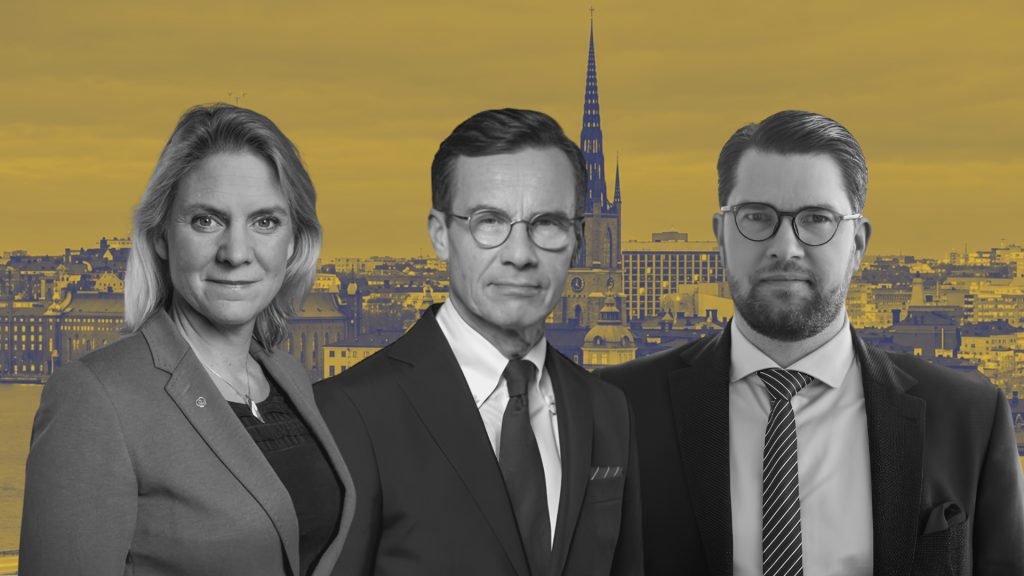
Last weekend’s election in Sweden gave a narrow edge to the centre-left, though the outcome may shift over the coming days. We can examine what occurred and what lies ahead. In every poll before the vote, the centre-right Moderata—linked to the EPP at the EU level and to the prime minister—were expected to lose up […]
The Many Drivers Behind the AfD Vote

This past weekend’s election in Saxony-Anhalt shocked Germany with the victory of Alternative für Deutschland with more than 40% of the votes. In this newsletter, we look into the reasons behind such vote and what it means for Europe at large. Sunday’s AfD’s 43.8% victory in Saxony-Anhalt is not that easy to explain. The simplest […]
South Caucasus in Focus: EU relations, Trade and Resources
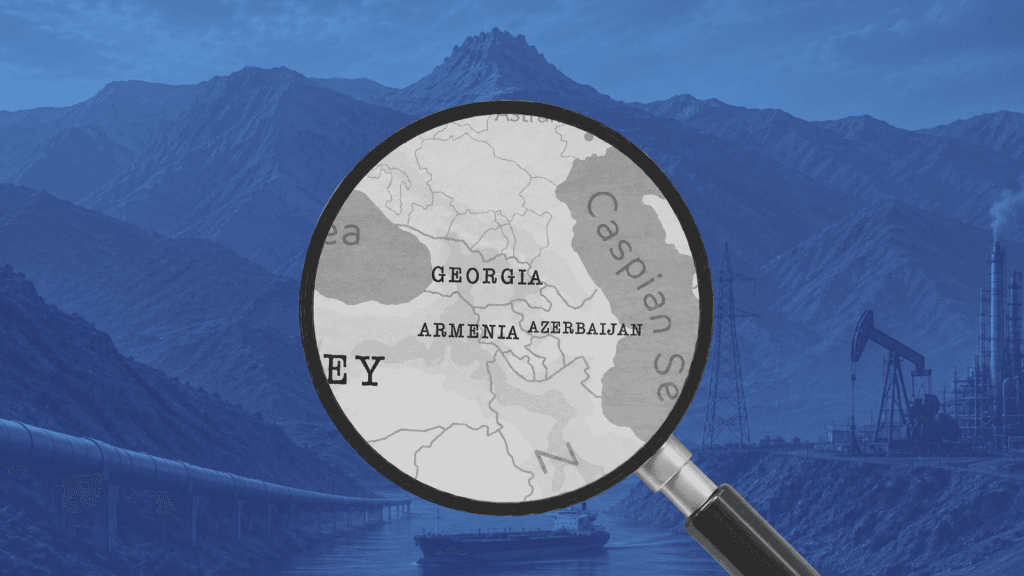
As Europe and Asia search for alternative trade routes, the South Caucasus is becoming a strategic geopolitical actor. However, its potential as a connector depends on whether the region can overcome persistent bilateral disputes, divergent geopolitical alignments, and cross-border infrastructure gaps. The South Caucasus sits at the intersection of several major connectivity projects, yet geography […]
Iceland Sails Alone: No to the Eurointegration
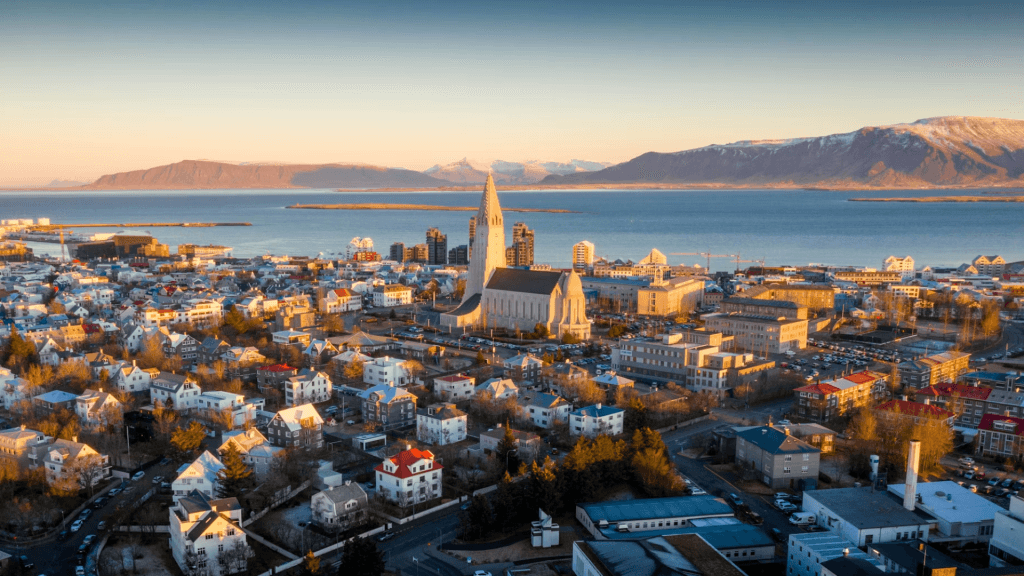
As Iceland’s EU membership bid remains stagnant after the referendum, the voters decided to prioritise its fishing industry and national sovereignty over the security guarantees that the bloc accession would carry. On 29 August, Icelanders were asked a narrow procedural question, whether to reopen EU accession talks that the island abandoned in 2013. The turnout […]
The $1 Billion Fine: EU’s First Take on US Big Tech Under the Digital Markets Act
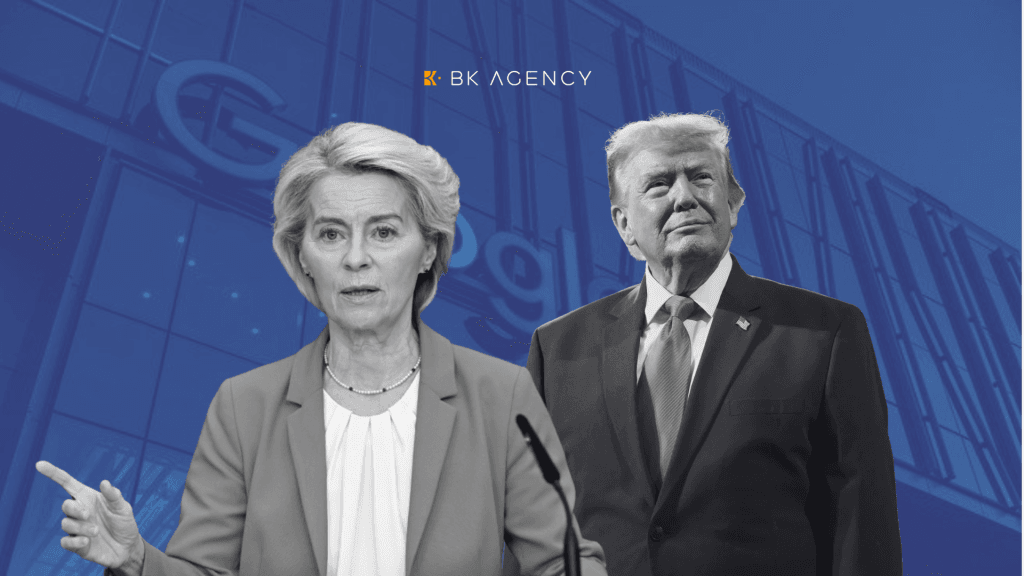
On 23 July 2026, the European Commission adopted two decisions imposing a combined fine of €890 million on Google for non-compliance with the Digital Markets Act. The first fine, amounting to €460 million, concerns the preferential treatment of Google’s own services in Google Search. The second, amounting to €430 million, concerns restrictions preventing app developers […]
From Ceuta to Brussels: Managing Budgets for Security and Defence
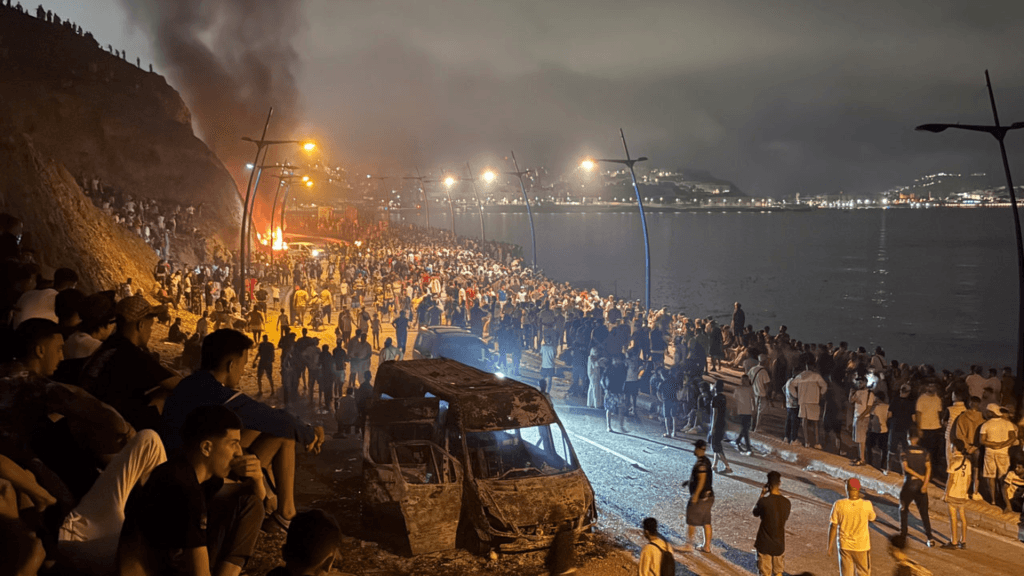
As thousands of people illegally entered Spain from Morocco last week, the EU countries are confronted with the evergreen issue of balancing the budgets, especially in the modern era of immigration pressure and external security threats that keep intensifying since the beginning of the war in Ukraine. In the last week of July, almost 60 […]
Iceland Heads to the Polls: A Referendum that could change Europe
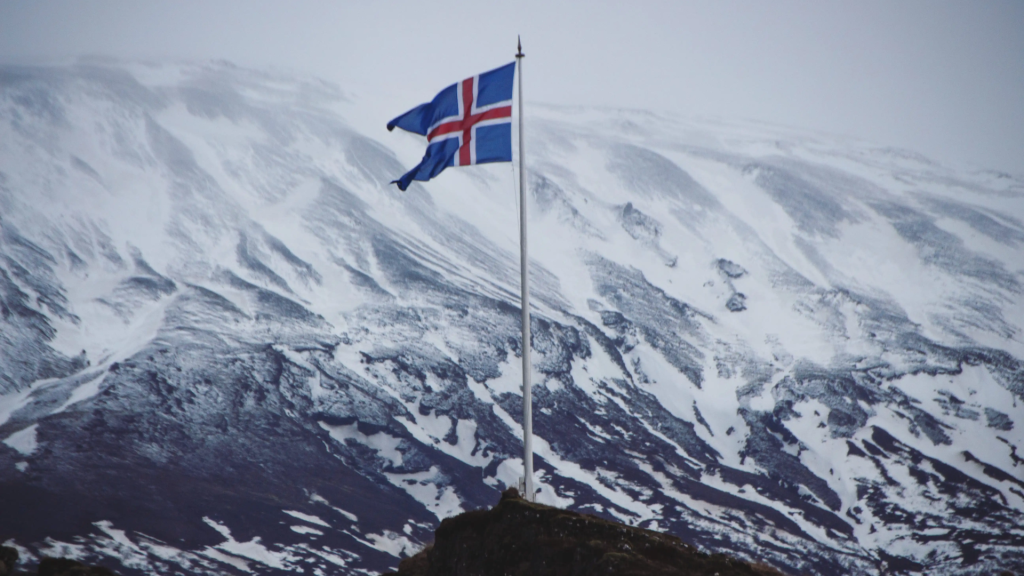
on July 27 Iceland opens the pooling station asking citizens to decide if they want to restart negotiations with the EU over a possible accession to the block or no. A vote that could change Europe. On 27 July, Iceland opens voting in a referendum that could mark the beginning of a new chapter in […]