As we step into 2025, the world is teetering on the edge of unpredictability. Shifting power dynamics, regional conflicts, and emerging threats constantly reshape international dynamics. This analysis delves into the key trends and challenges that will shape the year ahead.
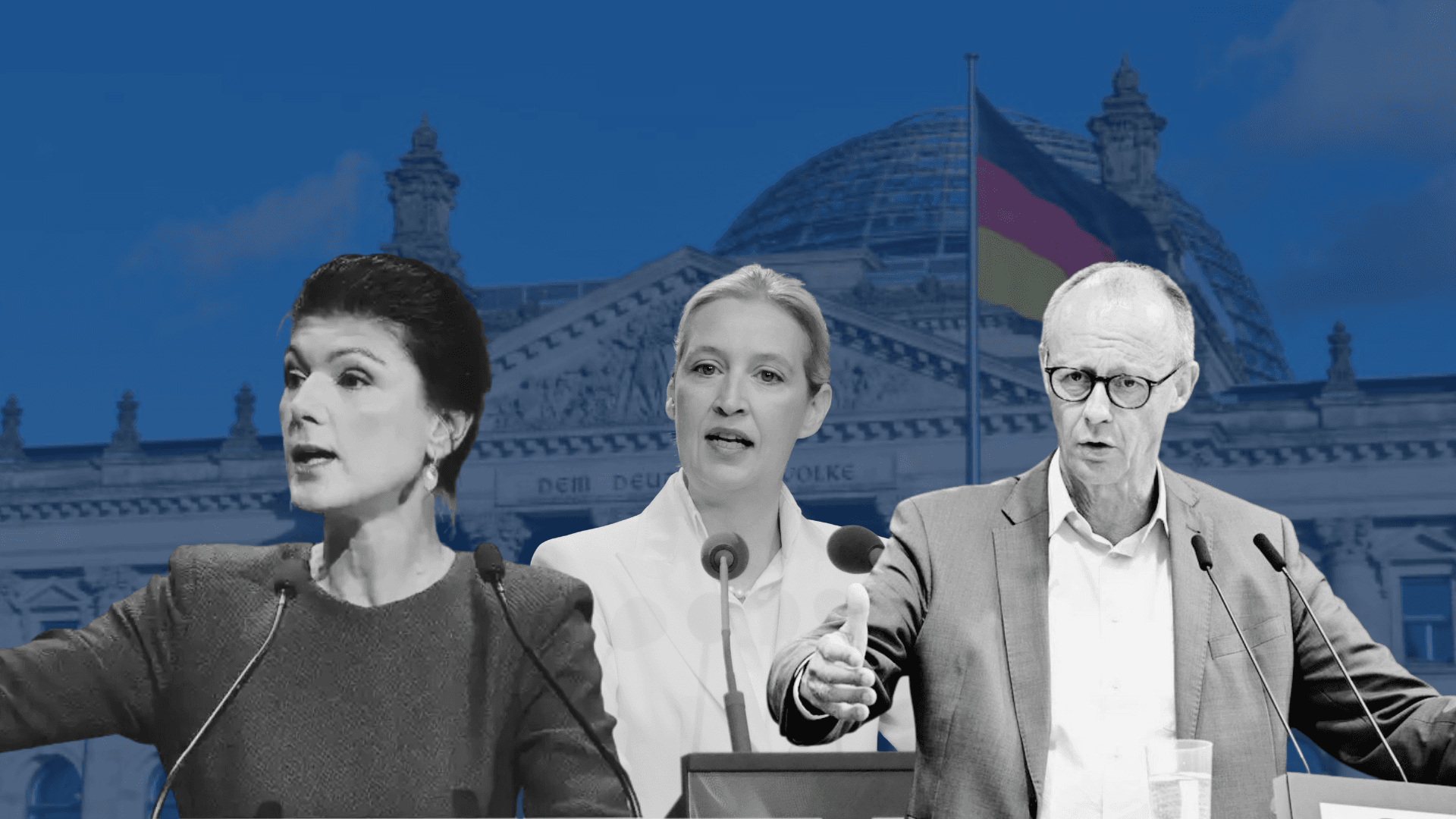
Numerous countries held pivotal elections in 2024, sowing uncertainty. Now, the spotlight shifts to the new leaders, who will face formidable tasks, including upholding their promises and navigating the complexities of governing their nations.
The world’s biggest nations, such as the United States and China, are engaged in a fierce competition reminiscent of the Cold War era. They are vying for control in domains like technology and military might. Amidst this competition, Russia’s aggressive actions and the formation of robust partnerships with countries like Iran and China further complicate global politics.
The Middle East remains a region plagued by conflicts and tensions. The ongoing rivalry between Israel and Iran, coupled with challenges in Syria and Yemen, poses persistent risks. Moreover, the emergence of new tribal groups and movements, such as the Muslim Brotherhood, contributes to the region’s growing instability.
Europe, too, grapples with its own set of issues. The European Union is plagued by internal divisions, while external pressures exacerbate the situation. In Africa and Latin America, economic challenges and weak leadership are causing instability and impacting the regions’ interactions with the global community.
This analysis provides a comprehensive overview of these and other significant issues, offering a clear picture of the global landscape in 2025.
READ THE REPORT: https://bkagency.co/wp-content/uploads/2024/12/Geopolitical-analysis-2025.pdf