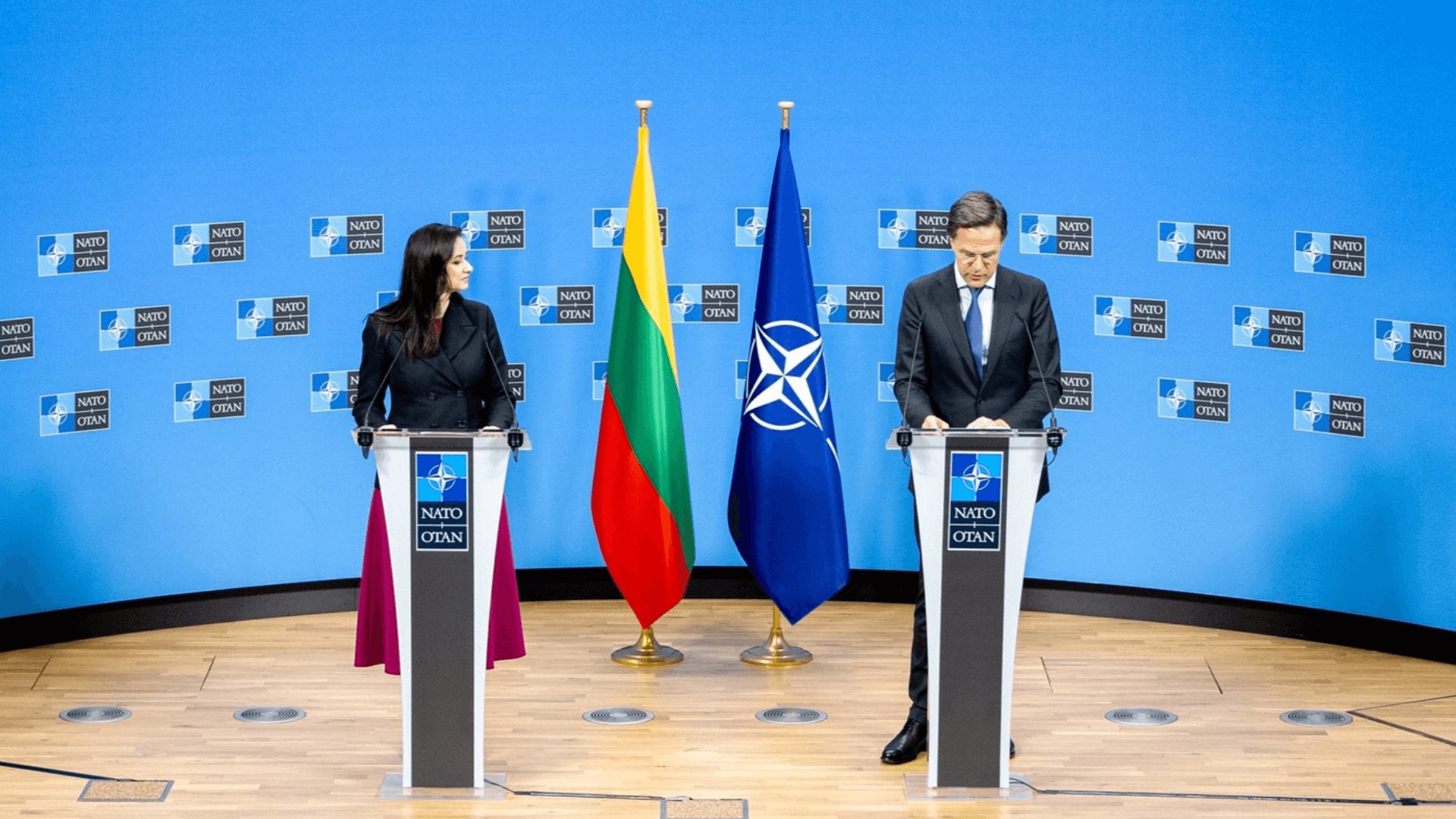
On 20 May, the Lithuanian Ministry of Defence issued a high-level air danger warning after the radar detection of a drone approaching from Belarus. The airspace over Vilnius Airport was closed for approximately an hour and train and public transit networks were suspended. Concurrently, public emergency broadcasts directed residents across the central regions to seek cover, marking the first instances where civilians and top state officials were called to move to underground shelters due to an active threat from the sky.
This escalation is the third airspace incident on NATO’s eastern flank in a single week. Earlier, Latvia issued warnings regarding unknown drones, an event that follows the 14 May resignation of Latvian Prime Minister, where a ruling coalition collapsed under concerns over airspace vulnerabilities. Furthermore, on 19 May, a fighter jet operating under the NATO patrol framework shot down a stray Ukrainian UAV over Estonia. Kyiv apologised for the incident, citing Russian electronic warfare interference as the cause for the drone redirection.
These border incidents point toward a broader reality for regional security. As Ukraine targets logistical and energy infrastructure deep within Russia, Moscow’s electronic jamming assets deployed along the borders of Belarus and Kaliningrad are deliberately blinding guidance systems. This results in turning disabled strike drones into unguided hazards for neighboring states. At the same time, these incidents serve as testing mechanisms operated by Kremlin. By consistently introducing radar anomalies and stray trajectories, Moscow forces map NATO’s air defence response time and stress-test the cohesion of the alliance.
This behavior is possibly intensified given shifting transatlantic dynamics. The perception of a more transactional US administration might incentivise such maneuvers that don’t trigger Article 5, but still generate domestic panic and political instability. In the immediate future, the Baltic states are expected to advocate for a transition from a reactive air policing to a proactive air defence mandate, together with intensified investments in anti-UAV and EW blocking systems.
Image source: Official Instagram account of the Government of the Republic of Lithuania (Inga Ruginienė, Prime Minister of Lithuania & Mark Rutte, Secretary General of NATO)