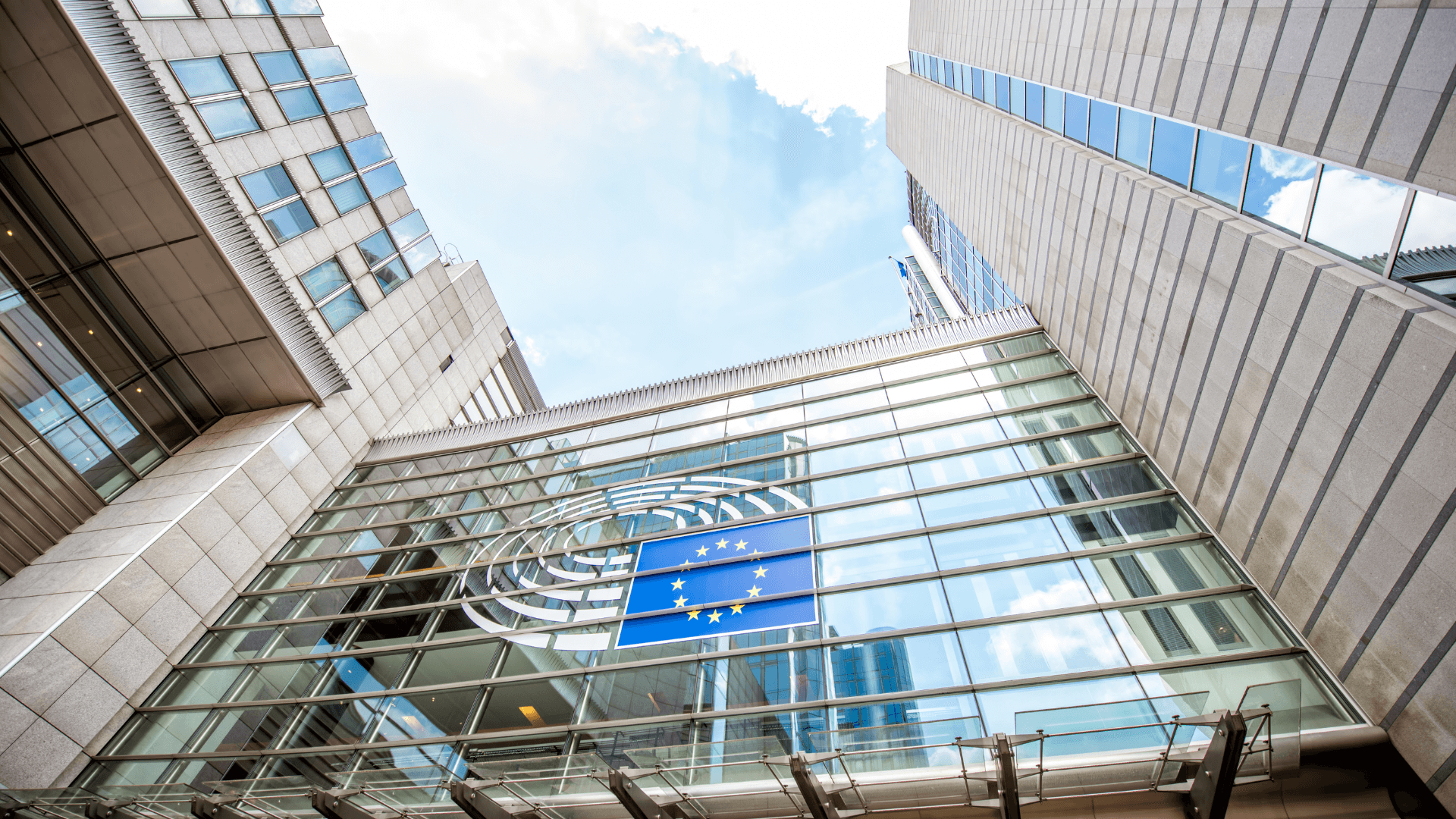
Economic influence and massive tech hubs are a part of what defines a global superpower. But there is a quieter form of power that comes from a different source – in particular, the rulebook. It’s called the Brussels Effect, and it is the reason why the European Union has become a global regulatory power.
The concept, popularised by Professor Anu Bradford, seems simple but can have profound consequences. The EU is one of the world’s largest and wealthiest consumer markets. If a global company wants to sell to 450 million Europeans, it has to follow EU rules. And for some companies, it’s too expensive to run two different production lines, one for Europe and one for the rest of the world. So, they adopt the European standard in order to gain access to a consumer market of almost half a billion people.
The EU doesn’t always need to heavily rely on diplomacy or international treaties to achieve this, as it’s a market-driven process to a large extent. The EU creates a law, and the global market adopts it simply because the companies are put in the position where non-compliance is a financial vulnerability. If a company wants to access the EU market, it needs to follow European law, and those rules sometimes become a global standard. It’s one of the best forms of soft power.
The regulation that is arguably the pinnacle of Brussels effect and the case that shook the world is the General Data Protection Regulation, commonly referred to as GDPR. When those data privacy rules launched, websites across the globe changed their settings because the fines and the consequences of non-compliance were exorbitant, and the disobedience would ultimately result in companies losing access to the EU market. We see it now with the common charger mandate, which pushed the entire smartphone industry toward USB-C. We also see it in chemical safety and carbon emissions, to an extent. If you want to sell to Europe, you have to play by Europe’s rules, no matter where you’re based.
The Brussels Effect is a good reminder that power doesn’t necessarily include diplomacy or military might. Some of the most enduring influences often come from the quiet stroke of a regulator’s pen.