Understanding the trends, policies and innovation powering Europe’s energy future.
For decades, Europe’s energy policy was a green energy-oriented mission focused on carbon reduction. Right now, that mission has evolved
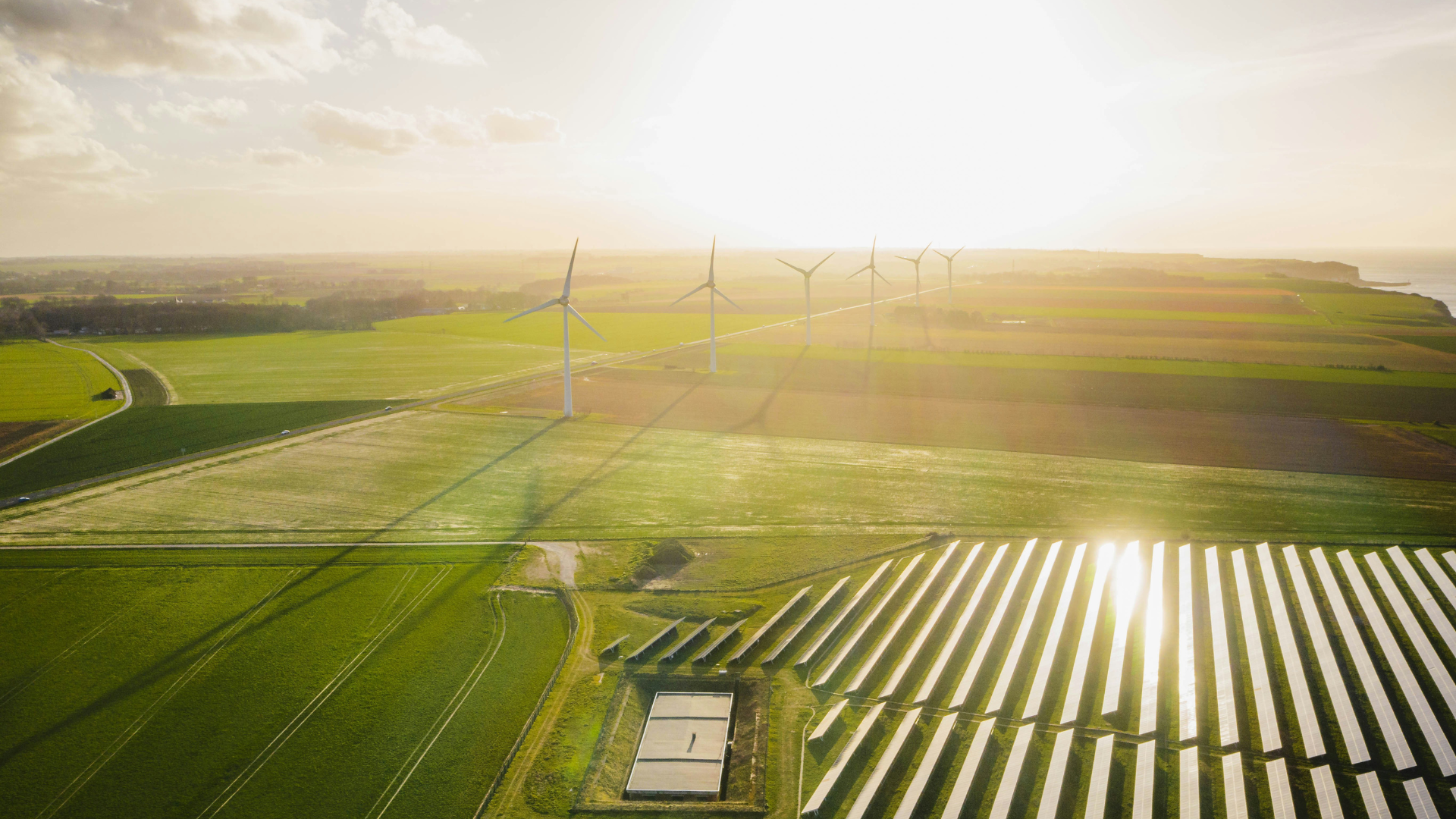
People tend to think of the energy transition as happening in the distant future, and a futuristic image of modern
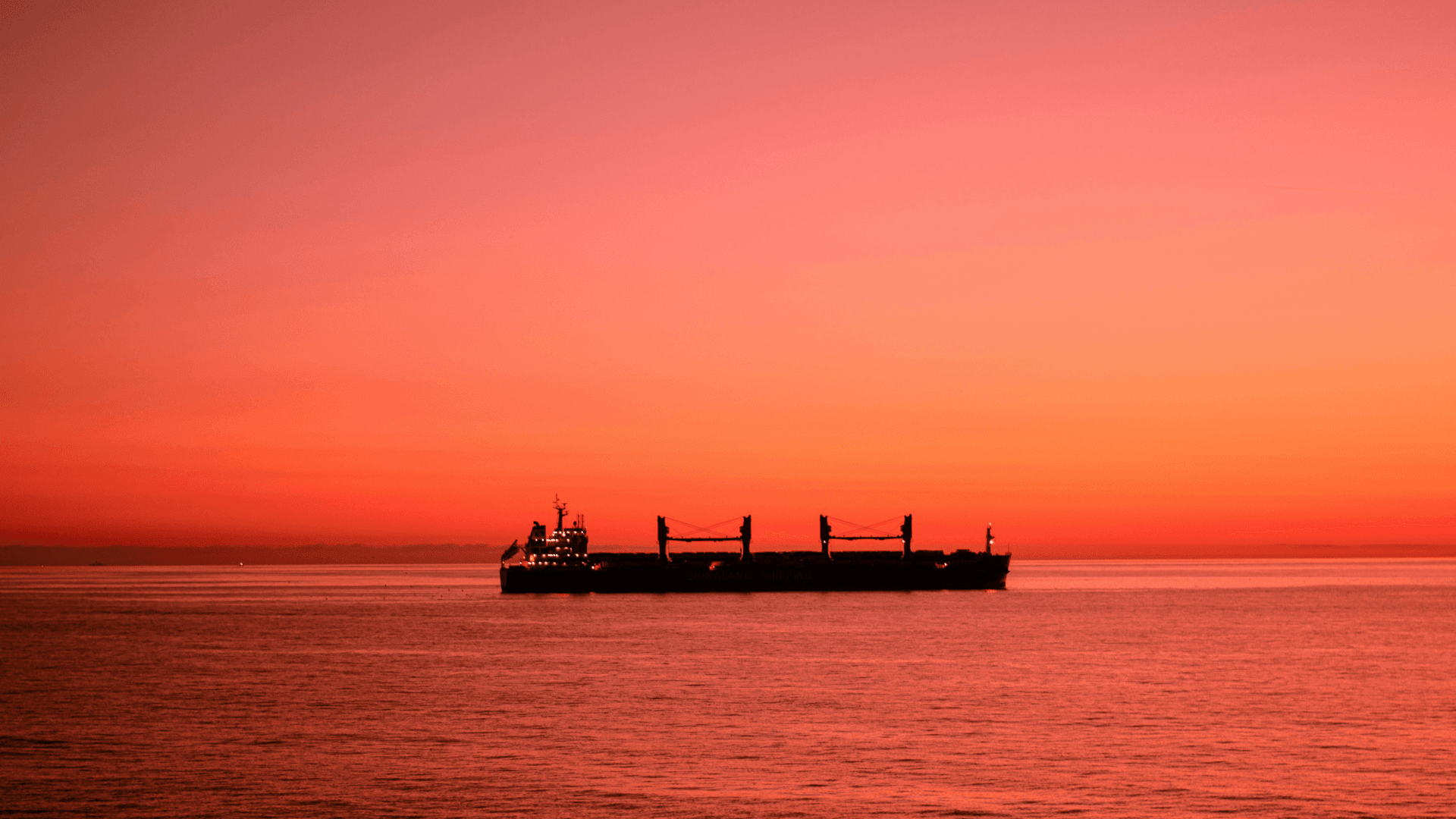
Iran’s recent chokehold over the Strait of Hormuz, as well as Russia’s war in Ukraine in 2022, which triggered price shocks in oil and gas markets, have signalled an urgent need for alternative, clean energy sources. In line with the European Green Deal and the Renewable Energy Directive, the EU aims to achieve its 2030 renewable energy targets across the electricity, heating, cooling, and transport sectors.

Around two thirds of global energy demand growth has been driven by industry. The European Union aims to reduce energy demand by 2030, primarily through reduced consumption in the industry, transport, and energy supply sectors, building renovation, and the implementation of a uniform energy labelling system.
Recent geopolitical frictions have made energy security a fundamental component of national security. Reliance on fossil fuel supplies, supply chain disruptions, and the rapid deployment of artificial intelligence in energy markets continue to pose vulnerabilities for blocs such as the European Union.
Europe’s competitiveness is increasingly linked to the availability of secure, affordable, and reliable energy markets. Over-dependence on imported fuels and concentrated supply routes has been stress-tested in 2026, highlighting the need for new approaches. Electrification, grid upgrades, and market integration headline the internal energy market agenda.
Recent geopolitical frictions have exposed Europe’s energy infrastructure as outdated and vulnerable in the face of external pressures. Building a resilient grid structure and an integrated energy system are among the EU’s key priorities.
Research and innovation are essential for achieving energy security, competitiveness, and climate neutrality by 2050. Hydrogen technologies are fundamental to Europe’s energy transition, alongside smart grids, digital energy systems, carbon management technologies, and advanced clean industrial processes.
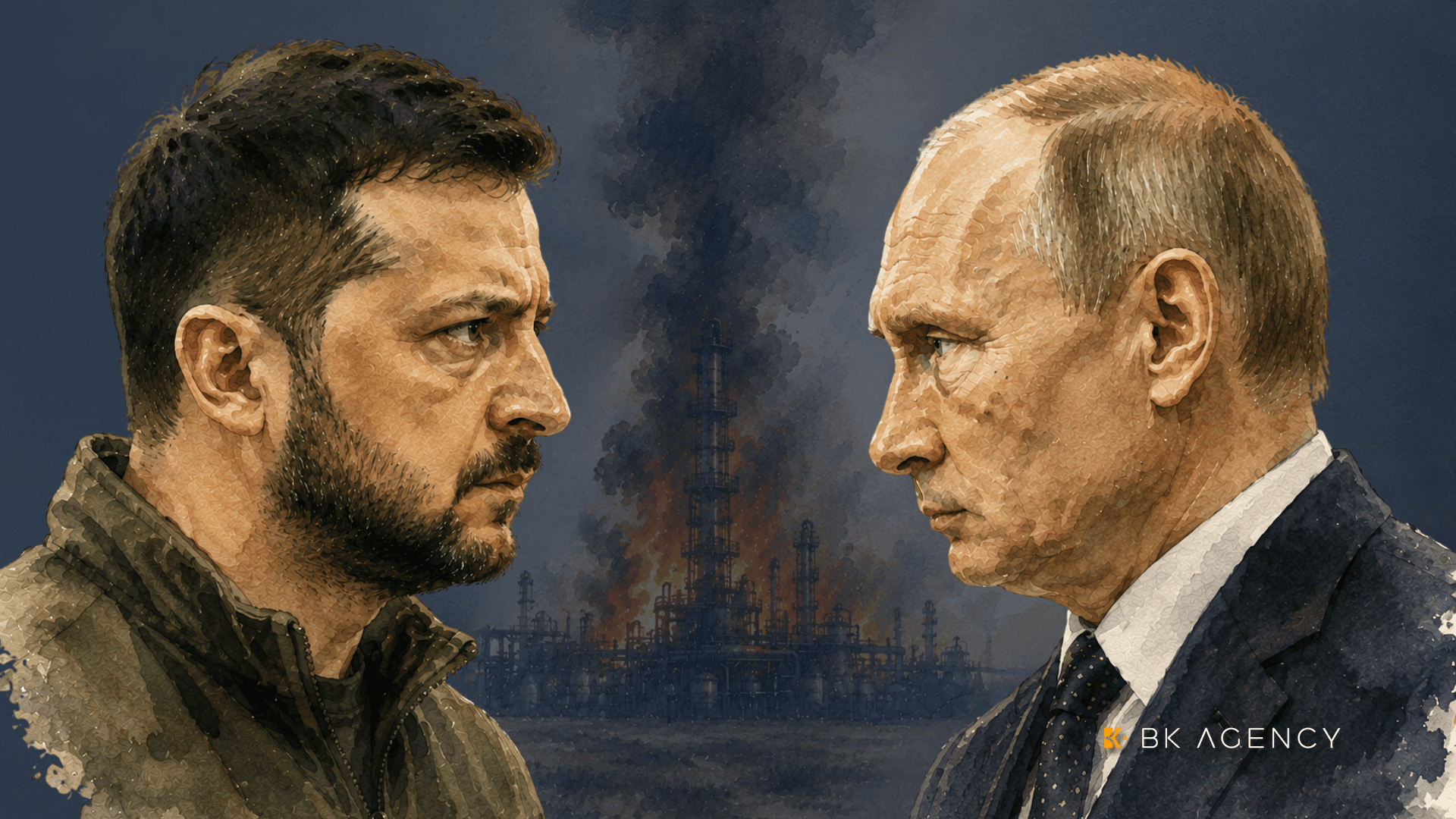
Ukraine’s campaign against Russian energy infrastructure has emerged as one of the most strategically consequential dimensions of the war. While previous operations largely focused on military assets, Kyiv is now systematically targeting oil refineries, storage facilities, export terminals and logistics hubs that underpin Russia’s wartime economy. The objective extends
For decades, Europe’s energy policy was a green energy-oriented mission focused on carbon reduction. Right now, that mission has evolved into a model of industrial realism for the purposes of European survival. The biggest strategic change is the shift from being clean to prioritising autonomy and independence from foreign
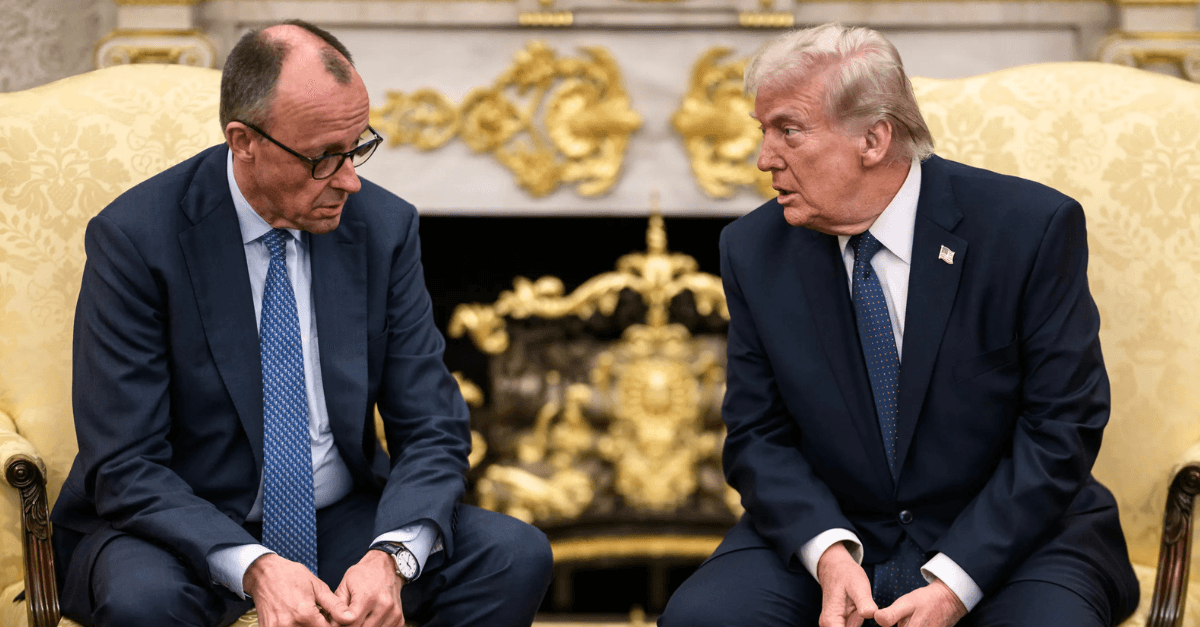
The first week of May has delivered several geopolitical shocks that once again show a shift in the global order and rising tensions between the United States and the European Union. On 1 May, the US President Donald Trump announced another escalation in trade policy, stating that the United
People tend to think of the energy transition as happening in the distant future, and a futuristic image of modern wind turbines and smart homes may come to mind. The reality is that our modern lives right now are supported by a foundation of vintage hardware, to say the
After a full month from the beginning of the war in the Middle East, the global economy is struggling with what the International Energy Agency has framed as the greatest energy security challenge in history. The military conflict involving Iran, which escalated sharply on 28 February, moved beyond a
Brief for the Renewable Energy Business The von der Leyen Commission took office in 2019 for a five-year term (2019-2024) with an ambitious set of goals for the European Union, amongst which the European Green Deal, to become a modern, resource-efficient economy. Described as the EU’s new growth strategy,